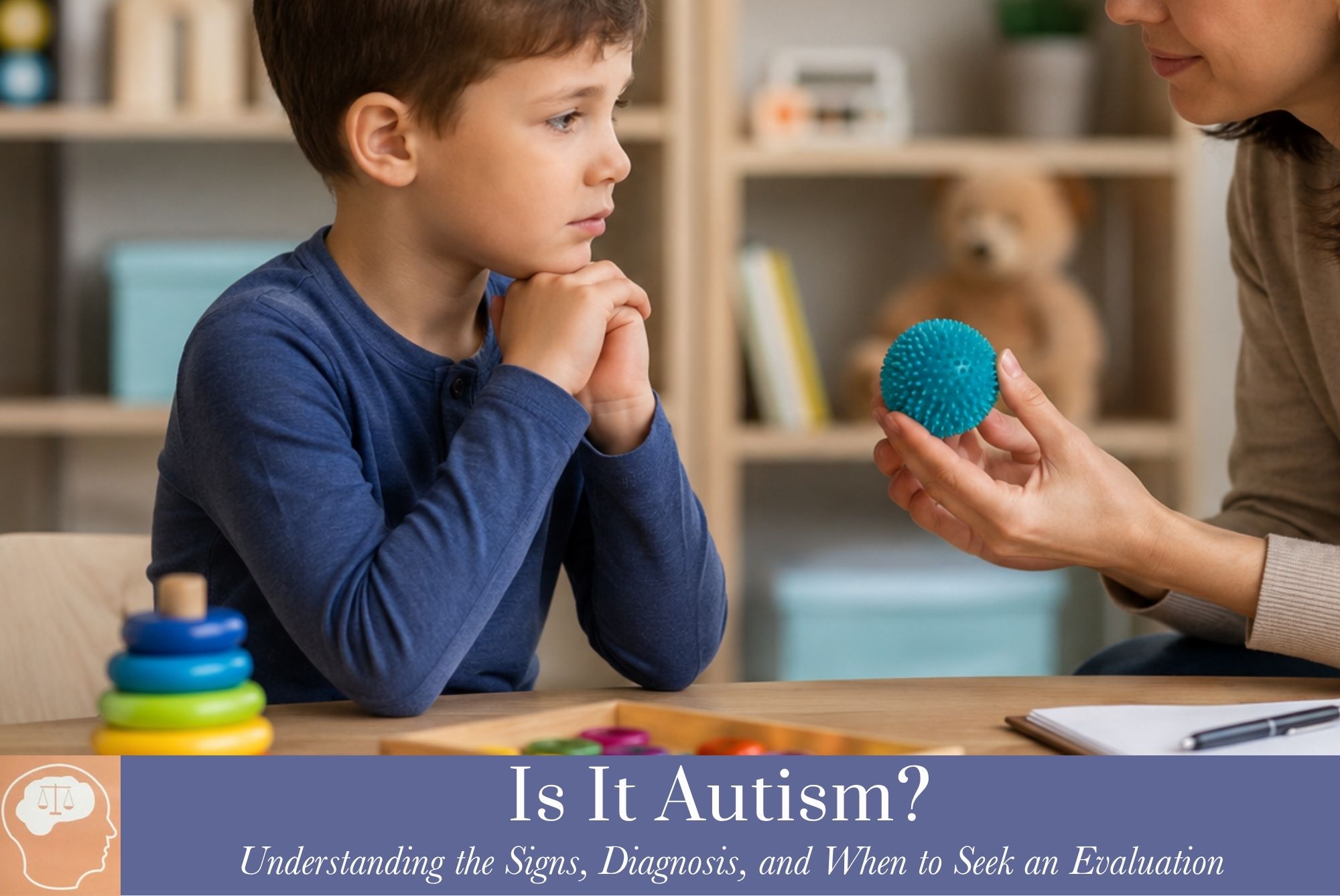
 Parents, caregivers, teachers, and even adults often ask the same important question: “Is it autism?” While many behaviors associated with Autism Spectrum Disorder (ASD) can overlap with typical developmental differences or other conditions, recognizing the signs early can make a significant difference in accessing appropriate support and improving long-term outcomes.
Autism Spectrum Disorder is a neurodevelopmental condition that affects how individuals communicate, interact socially, process information, and experience the world around them. Every person with autism is unique, which is why it is referred to as a “spectrum.” Some individuals require substantial daily support, while others live independently and excel academically or professionally.
At The Potter’s Behavioral Medicine Clinic, comprehensive evaluations help individuals and families better understand developmental concerns and determine whether autism or another condition may be contributing to behavioral, emotional, social, or communication challenges.
What Is Autism Spectrum Disorder?
Understanding Autism
Autism Spectrum Disorder (ASD) is a lifelong neurodevelopmental condition that affects brain development and influences communication, behavior, learning, and social interactions. According to the Centers for Disease Control and Prevention (CDC), autism affects approximately 1 in 31 children in the United States, making early recognition and accurate diagnosis increasingly important.
The word “spectrum” reflects the wide range of strengths, abilities, and challenges individuals with autism experience. Some people have exceptional language and intellectual abilities, while others may have significant communication or developmental delays.
Autism is not caused by poor parenting, vaccines, or environmental myths. Research supports that autism results from complex genetic and neurological factors that influence brain development before birth.
Common Signs of Autism
Early Childhood Signs
Many signs of autism appear before a child reaches three years of age, although some children are diagnosed later when social expectations increase.
Possible signs include:
- Limited eye contact
- Delayed speech or language development
- Not responding consistently to their name
- Difficulty understanding social cues
- Limited interest in peer interactions
- Repetitive movements such as hand flapping or rocking
- Intense focus on specific interests
- Resistance to changes in routine
- Unusual responses to sounds, lights, textures, or smells
Not every child displaying one or two of these behaviors has autism, but persistent patterns deserve professional evaluation.
Autism Looks Different in Every Person
No Two Individuals Are Exactly Alike
One of the biggest misconceptions about autism is that everyone with ASD behaves similarly. In reality, symptoms vary significantly.
Some individuals may:
- Speak fluently but struggle with conversations
- Have advanced academic abilities while experiencing social difficulties
- Require assistance with daily living skills
- Experience anxiety in social environments
- Demonstrate remarkable memory or specialized talents
- Have sensory sensitivities that affect daily functioning
Recognizing these differences is essential for providing individualized support.
Signs of Autism in School-Age Children
Challenges That May Become More Noticeable
Some children are not identified until elementary school because social expectations become more complex.
Parents and teachers may notice:
- Difficulty making or maintaining friendships
- Trouble understanding sarcasm or figurative language
- Emotional outbursts when routines change
- Sensory overload in noisy classrooms
- Preference for solitary activities
- Difficulty participating in group discussions
- Intense interests that dominate conversations
These behaviors may become more apparent as academic and social demands increase.
Signs of Autism in Teenagers and Adults
Autism Is Not Limited to Childhood
Many adolescents and adults receive an autism diagnosis later in life after years of wondering why social situations felt unusually difficult.
Adults may experience:
- Difficulty interpreting facial expressions
- Challenges maintaining conversations
- Feeling overwhelmed in crowds
- Strong preference for routines
- Sensory sensitivities
- Anxiety related to social interactions
- Difficulty adapting to unexpected changes
- Feeling different from peers throughout life
Receiving an accurate diagnosis can provide valuable insight and access to appropriate resources.
Conditions That Can Look Similar to Autism
Why Professional Evaluation Matters
Many developmental and behavioral conditions share symptoms with autism.
These include:
- Attention-Deficit/Hyperactivity Disorder (ADHD)
- Anxiety disorders
- Social anxiety disorder
- Language disorders
- Intellectual disabilities
- Learning disorders
- Sensory processing differences
- Obsessive-compulsive disorder (OCD)
- Trauma-related conditions
Because symptoms often overlap, self-diagnosis can be misleading. A comprehensive behavioral evaluation is the most reliable way to determine the underlying cause of developmental or behavioral concerns.
How Autism Is Diagnosed
Comprehensive Evaluation Is Essential
Diagnosing autism involves much more than observing a few behaviors during one appointment.
A thorough evaluation may include:
- Developmental history
- Medical history review
- Parent or caregiver interviews
- Behavioral observations
- Standardized autism assessment tools
- Cognitive testing
- Communication evaluations
- Adaptive functioning assessments
- Collaboration with educators or other healthcare professionals when appropriate
The goal is to develop a complete understanding of an individual’s strengths, challenges, and support needs.
Why Early Diagnosis Makes a Difference
Early Intervention Supports Better Outcomes
Early diagnosis allows children to access interventions during critical periods of brain development.
Potential benefits include:
- Improved communication skills
- Enhanced social development
- Better emotional regulation
- Increased independence
- Academic success
- Family education and support
- Individualized therapy planning
Although early diagnosis offers important advantages, meaningful progress is possible at any age with appropriate interventions and ongoing support.
Treatment and Support After an Autism Diagnosis
Every Treatment Plan Is Individualized
There is no single treatment that works for every individual with autism. Instead, care plans are tailored to each person’s specific needs.
Treatment recommendations may include:
- Behavioral therapy
- Social skills training
- Speech-language therapy
- Occupational therapy
- Parent education
- Educational accommodations
- Mental health counseling
- Medication management for co-occurring conditions such as anxiety, depression, ADHD, or sleep difficulties when clinically appropriate
The focus is on maximizing independence, improving quality of life, and supporting long-term success.
Supporting a Loved One with Autism
Building Strengths While Addressing Challenges
Families play a critical role in helping individuals with autism thrive.
Helpful strategies include:
- Establishing consistent routines
- Providing clear communication
- Celebrating individual strengths
- Learning about sensory needs
- Collaborating with healthcare providers
- Working closely with schools when appropriate
- Encouraging independence at every developmental stage
- Practicing patience and understanding
Supportive environments allow individuals with autism to reach their fullest potential.
When Should You Schedule an Autism Evaluation?
Don’t Wait If You Have Concerns
If you notice persistent developmental, communication, behavioral, or social differences in yourself, your child, or a loved one, seeking an evaluation is an important first step.
Early answers can reduce uncertainty, identify appropriate services, and provide guidance for future planning. Even if autism is ruled out, a comprehensive evaluation may uncover another condition that can benefit from treatment and support.
The experienced behavioral health professionals at The Potter’s Behavioral Medicine Clinic provide compassionate, evidence-based evaluations designed to help individuals and families gain clarity and confidence in the next steps.
Frequently Asked Questions
What are the first signs of autism?
Early signs may include limited eye contact, delayed speech, repetitive behaviors, difficulty responding to one’s name, sensory sensitivities, and challenges with social interaction. Every child develops differently, so professional evaluation is recommended when concerns persist.
At what age can autism be diagnosed?
Some children can be reliably diagnosed as early as 18 to 24 months, although many receive a diagnosis later depending on symptom severity and developmental milestones.
Can adults be diagnosed with autism?
Yes. Many adults receive an autism diagnosis after recognizing lifelong social, sensory, or communication challenges that were never formally evaluated during childhood.
Is autism caused by parenting?
No. Scientific research has consistently shown that autism is not caused by parenting style or family dynamics. Autism is a neurodevelopmental condition influenced by genetic and biological factors.
Can autism be cured?
Autism is a lifelong neurodevelopmental condition and is not considered something to be cured. However, individualized therapies and supportive interventions can significantly improve communication, daily functioning, independence, and overall quality of life.
How is autism different from ADHD?
Although autism and ADHD can share certain symptoms, autism primarily affects social communication and repetitive behaviors, while ADHD mainly involves attention regulation, impulsivity, and hyperactivity. Some individuals have both conditions.
Should I seek an evaluation if I’m unsure?
Yes. If developmental, behavioral, or social concerns continue over time, a comprehensive evaluation can help determine whether autism or another condition is contributing to those challenges.
What happens after an autism diagnosis?
Following diagnosis, healthcare providers develop individualized recommendations that may include therapy services, educational support, behavioral interventions, counseling, family education, and ongoing monitoring based on each person’s unique needs.
Contact Information
The Potter’s Behavioral Medicine Clinic
Website: https://thepottersclinic.com
Villa Rica
307 Old Stone Road
Villa Rica, GA 30180
Phone: (770) 459-8799
Hiram
5604 Wendy Bagwell Pkwy
Hiram, GA 30141
Phone: (770) 439-3070
Stockbridge – Virtual Visits
255 Corporate Centre Drive
Stockbridge, GA 30281
Phone: (770) 459-8799
Decatur – Virtual Visits
5322 Snapfinger Park Drive
Decatur, GA 30035
Phone: (770) 459-8799