
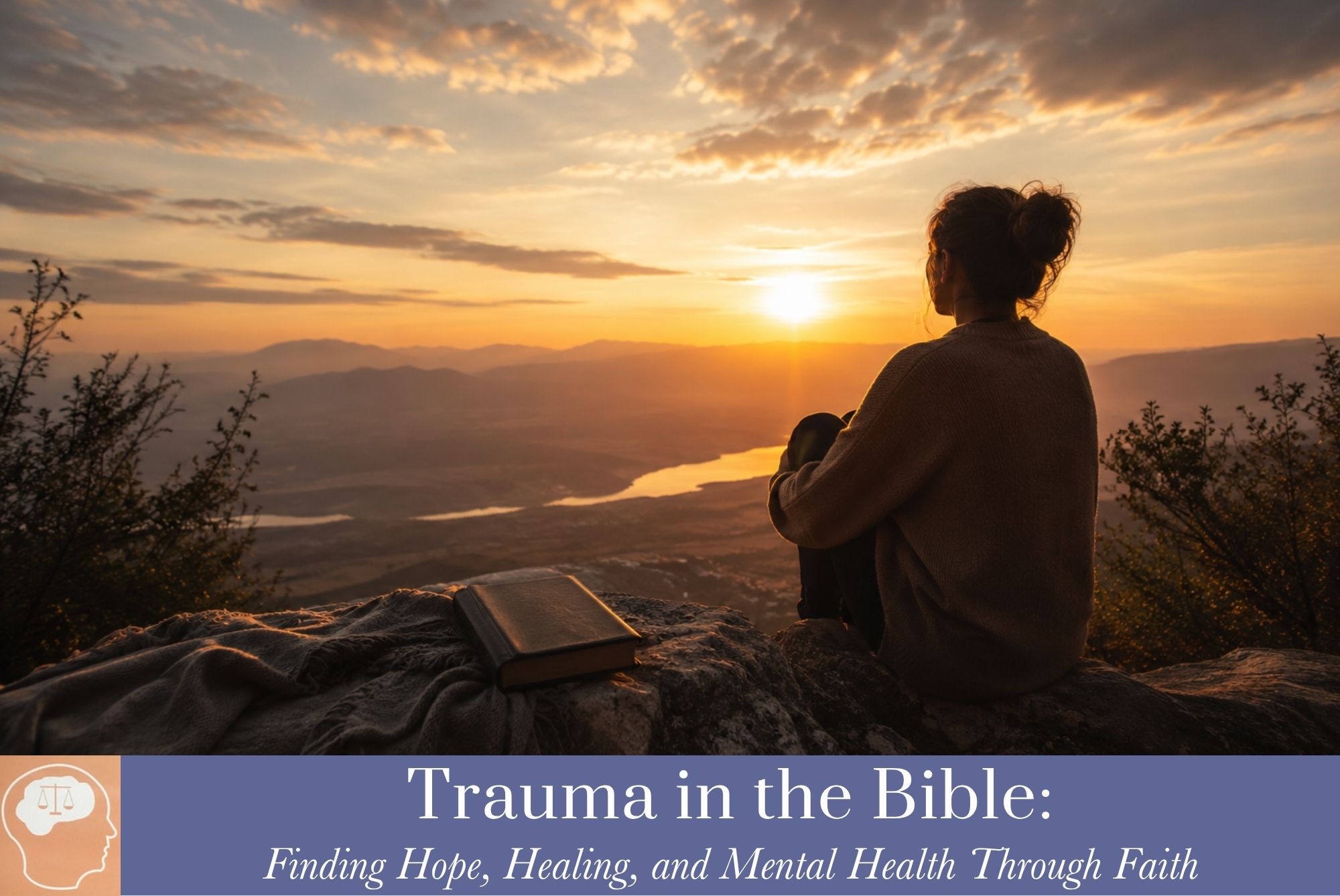
 Trauma is a universal human experience. Whether caused by abuse, violence, loss, betrayal, illness, or disaster, traumatic experiences can leave lasting emotional, psychological, physical, and spiritual wounds. Many people wonder if the Bible addresses trauma and whether faith can truly support healing. The answer is yes. Throughout Scripture, some of the Bible’s most respected figures experienced profound trauma, grief, fear, and emotional suffering.
Understanding trauma through both a biblical and medical perspective offers a compassionate path toward healing. At The Potter’s Behavioral Medicine Clinic, we believe that faith and evidence-based mental health treatment can work together to help individuals process trauma, restore hope, and improve emotional well-being.
What Is Trauma?
Trauma is the emotional and physiological response to an event or series of events that overwhelm a person’s ability to cope. Trauma affects the brain, nervous system, emotions, relationships, and even physical health.
Traumatic experiences may include:
- Physical, emotional, or sexual abuse
- Domestic violence
- Military combat
- Serious accidents
- Natural disasters
- Medical emergencies
- Childhood neglect
- Sudden loss of a loved one
- Community violence
- Racism or discrimination
- Spiritual abuse
Not everyone responds to trauma the same way. Two people may experience the same event but have very different emotional outcomes depending on age, previous experiences, genetics, support systems, and resilience.
Trauma Throughout the Bible
One of the remarkable aspects of Scripture is its honesty about human suffering. The Bible does not ignore emotional pain. Instead, it tells the stories of people who experienced devastating trauma while remaining part of God’s redemptive plan.
David: Trauma, Loss, and Emotional Anguish
King David experienced repeated traumatic events throughout his life.
His experiences included:
- Being pursued by King Saul
- Living in hiding
- Losing close friends
- Experiencing betrayal
- Losing his infant son
- Facing rebellion from his son Absalom
- Living through war and violence
Many of David’s Psalms describe symptoms that closely resemble modern understandings of anxiety, depression, grief, and traumatic stress. He openly expressed fear, sadness, anger, confusion, and hopelessness while continuing to seek God’s presence.
The Psalms remind readers that emotional honesty is not a sign of weak faith but an invitation into healing.
Joseph: Healing After Betrayal
Joseph’s life involved multiple traumatic experiences.
He was:
- Betrayed by his brothers
- Sold into slavery
- Separated from his family
- Wrongfully imprisoned
- Falsely accused
Despite years of suffering, Joseph eventually found healing, forgiveness, and purpose. His story illustrates that trauma does not define a person’s future and that recovery can include both emotional growth and restored relationships.
Elijah: Burnout and Emotional Exhaustion
After a tremendous spiritual victory, the prophet Elijah became overwhelmed.
He experienced:
- Fear
- Isolation
- Exhaustion
- Hopelessness
- A desire to die
Instead of criticizing Elijah, God first met his physical needs by providing food, water, rest, and gentle care before addressing his emotional and spiritual concerns.
This reflects an important principle in modern behavioral medicine: healing often involves caring for both body and mind.
Job: Surviving Profound Loss
Job endured extraordinary trauma.
Within a short period, he lost:
- His children
- His wealth
- His health
- His social standing
- Emotional support from many around him
The Book of Job demonstrates that questioning, grieving, and wrestling with suffering are normal human responses rather than spiritual failures.
Jesus Experienced Trauma
Jesus Himself experienced severe emotional and physical trauma.
He endured:
- Rejection
- Betrayal
- False accusations
- Public humiliation
- Physical torture
- Crucifixion
In the Garden of Gethsemane, Jesus described overwhelming emotional distress before His arrest. His suffering reminds believers that God understands human pain personally and compassionately.
How Trauma Affects the Brain
Modern neuroscience shows that trauma changes how the brain processes information.
Trauma can affect:
- The amygdala, increasing fear responses
- The hippocampus, affecting memory
- The prefrontal cortex, reducing emotional regulation
- Stress hormone production
- Sleep patterns
- Concentration
- Physical health
These neurological changes explain why trauma survivors may struggle with reactions that seem difficult to control. Trauma is not simply something people can “get over.” Healing often requires professional support.
Common Symptoms of Trauma
Trauma symptoms vary widely but often include:
- Anxiety
- Panic attacks
- Depression
- Nightmares
- Flashbacks
- Difficulty sleeping
- Hypervigilance
- Emotional numbness
- Irritability
- Difficulty trusting others
- Social withdrawal
- Feelings of shame
- Difficulty concentrating
- Physical tension
- Chronic stress
Some individuals develop Post-Traumatic Stress Disorder (PTSD), while others experience complex trauma resulting from repeated or long-term adverse experiences.
Can Faith Help Heal Trauma?
Faith can become a powerful source of resilience when combined with healthy coping strategies and professional mental health treatment.
Faith may provide:
- Hope during difficult seasons
- A sense of purpose
- Supportive community
- Meaning after suffering
- Comfort through prayer
- Emotional encouragement
- Spiritual connection
- Increased resilience
However, faith does not replace professional care. Trauma affects the brain and body, making evidence-based therapy an essential part of recovery for many individuals.
Biblical Healing and Professional Mental Health Care
Seeking therapy is not a lack of faith.
Throughout Scripture, God often worked through people to bring healing. Today, licensed behavioral health professionals provide scientifically supported treatments that help individuals recover from trauma while respecting their personal beliefs.
Treatment may include:
- Trauma-focused psychotherapy
- Cognitive Behavioral Therapy (CBT)
- Medication management when appropriate
- Stress management
- Mindfulness techniques
- Family therapy
- Anxiety treatment
- Depression treatment
- Sleep support
- Emotional regulation skills
An integrated approach that respects both mental health science and spiritual values often provides meaningful, lasting recovery.
Building Resilience After Trauma
Healing is rarely immediate, but recovery is possible.
Healthy strategies include:
- Seeking professional behavioral health care
- Maintaining supportive relationships
- Practicing regular prayer or meditation
- Reading encouraging Scripture
- Prioritizing healthy sleep
- Exercising regularly
- Establishing daily routines
- Processing emotions rather than suppressing them
- Participating in faith communities
- Practicing self-compassion
Healing does not erase painful memories, but it allows individuals to regain emotional stability, rebuild relationships, and move forward with hope.
When Should Someone Seek Professional Help?
Professional mental health care is recommended if trauma symptoms:
- Last longer than several weeks
- Interfere with work or school
- Affect relationships
- Cause panic attacks
- Lead to depression
- Cause persistent nightmares
- Result in substance misuse
- Include thoughts of self-harm or hopelessness
- Make daily functioning difficult
Early intervention often leads to better long-term outcomes.
Hope After Trauma
The Bible consistently demonstrates that suffering does not have the final word. Although many biblical figures endured unimaginable hardship, their stories also reveal resilience, restoration, compassion, and hope.
Modern behavioral medicine supports this same message. The brain can heal. Emotional regulation can improve. Healthy relationships can be rebuilt. Faith can remain strong while receiving professional treatment.
At The Potter’s Behavioral Medicine Clinic, we understand that trauma affects every part of a person’s life. Our compassionate providers offer evidence-based psychiatric and behavioral health services designed to help individuals safely process trauma, manage symptoms, and move toward lasting emotional wellness while honoring each patient’s personal beliefs and values.
Frequently Asked Questions
Does the Bible talk about trauma?
Yes. Many biblical figures experienced traumatic events including violence, betrayal, grief, abuse, war, imprisonment, and loss. Scripture openly acknowledges emotional suffering while pointing toward hope and healing.
Is PTSD mentioned in the Bible?
PTSD is a modern medical diagnosis, but many biblical descriptions of fear, hypervigilance, nightmares, emotional distress, and prolonged suffering resemble symptoms recognized today.
Can Christians seek therapy for trauma?
Absolutely. Professional mental health treatment complements faith and provides evidence-based tools for healing. Seeking therapy demonstrates wisdom and proactive self-care.
Does trauma affect faith?
Trauma can influence how individuals view themselves, others, and God. Many people experience spiritual questions after traumatic events. Compassionate behavioral health care can support both emotional and spiritual recovery.
Can prayer alone heal trauma?
Prayer provides comfort, hope, and spiritual strength. However, trauma often changes brain function and emotional regulation. Professional treatment alongside faith offers the most comprehensive approach for many individuals.
How does trauma affect children?
Trauma may affect emotional development, learning, behavior, sleep, relationships, and physical health. Early evaluation and treatment can significantly improve long-term outcomes.
What therapies help treat trauma?
Evidence-based treatments include Cognitive Behavioral Therapy (CBT), trauma-focused therapy, medication management when appropriate, mindfulness techniques, stress reduction strategies, and supportive counseling.
How long does trauma recovery take?
Recovery varies based on the individual, the severity of the trauma, available support, and treatment. Healing is often gradual, but meaningful improvement is achievable with consistent care.
Can childhood trauma affect adults later in life?
Yes. Childhood trauma can influence relationships, emotional regulation, physical health, anxiety, depression, and self-esteem well into adulthood. Professional treatment can help individuals process unresolved experiences.
When should I seek help for trauma?
Seek professional care if trauma symptoms interfere with daily life, relationships, work, sleep, or emotional well-being, or if symptoms continue for several weeks or become overwhelming.
Contact Information
The Potter’s Behavioral Medicine Clinic
Website
https://thepottersclinic.com
Villa Rica
Phone: (770) 459-8799
Address: 307 Old Stone Road, Villa Rica, GA 30180
Hiram
Phone: (770) 439-3070
Address: 5604 Wendy Bagwell Pkwy, Hiram, GA 30141
Stockbridge – Virtual Visits
Phone: (770) 459-8799
Address: 255 Corporate Centre Drive, Stockbridge, GA 30281
Decatur – Virtual Visits
Phone: (770) 459-8799
Address: 5322 Snapfinger Park Drive, Decatur, GA 30035