
 Depression and other mental health disorders can significantly affect every aspect of daily life, including work, relationships, physical health, and overall well-being. While psychotherapy and medication help many people achieve meaningful improvement, some individuals continue to experience symptoms despite trying multiple treatment approaches. This condition is commonly referred to as treatment-resistant depression (TRD).
Transcranial Magnetic Stimulation (TMS) has emerged as one of the most significant advances in psychiatric care over the past two decades. As a non-invasive, FDA-cleared treatment, TMS offers hope for individuals whose depression has not responded adequately to traditional therapies. At The Potter’s Behavioral Medicine Clinic, patients receive comprehensive psychiatric evaluations to determine whether advanced treatments like TMS are appropriate as part of an individualized mental health care plan.
Understanding Transcranial Magnetic Stimulation (TMS)
What Is TMS?
Transcranial Magnetic Stimulation (TMS) is a non-invasive treatment that uses targeted magnetic pulses to stimulate specific areas of the brain involved in mood regulation. Unlike medications that circulate throughout the entire body, TMS focuses directly on the brain regions associated with depression and emotional processing.
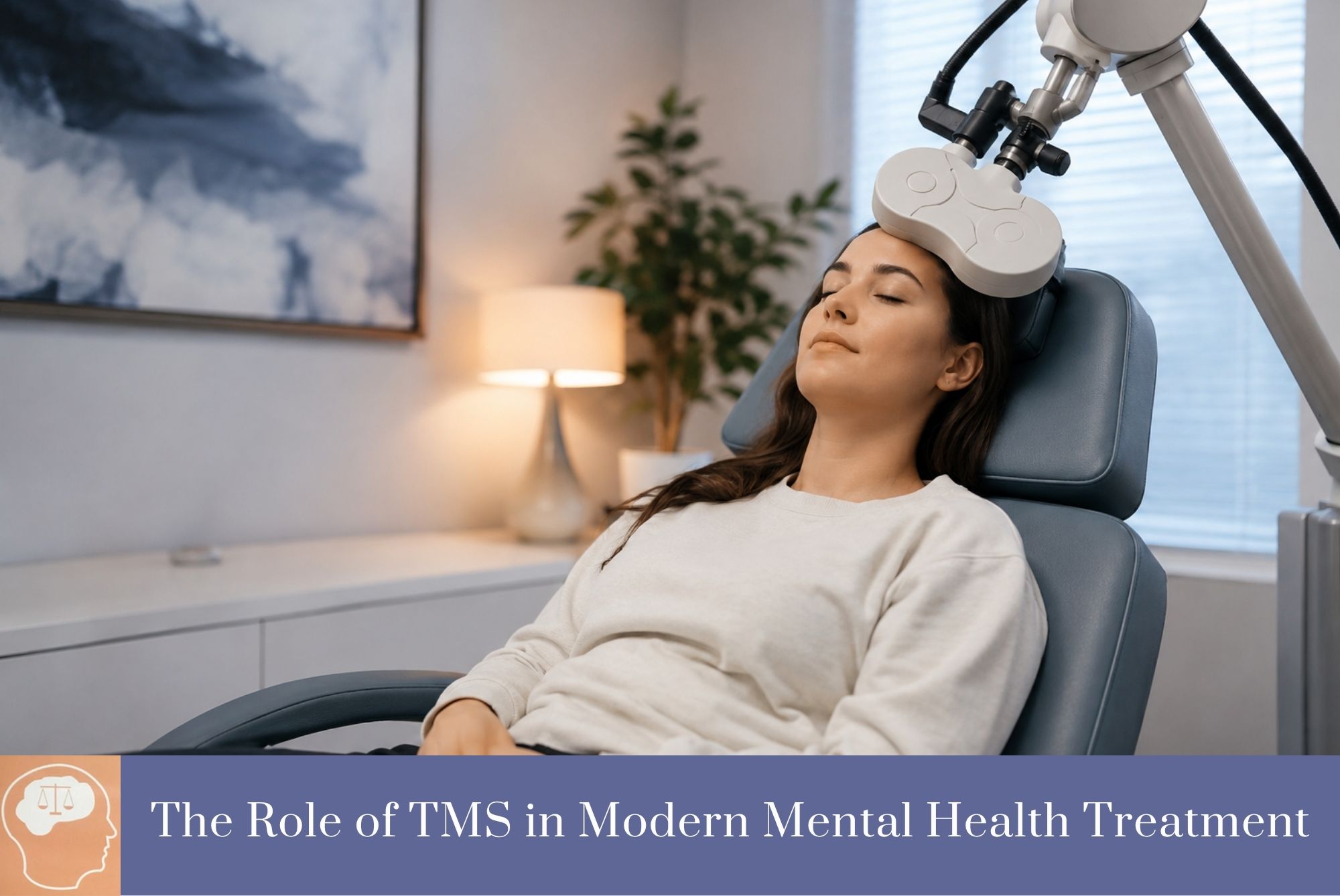
During treatment, a specialized magnetic coil is positioned against the scalp. The coil delivers carefully controlled magnetic pulses that activate nerve cells in the prefrontal cortex, an area that often shows decreased activity in individuals living with depression.
TMS does not involve surgery, anesthesia, sedation, or implanted devices. Patients remain awake throughout each treatment session and are able to return to their normal daily activities immediately afterward.
Why TMS Has Become an Important Advancement
Expanding Treatment Options
Mental health treatment is not one-size-fits-all. Although antidepressant medications are highly effective for many individuals, research demonstrates that a substantial percentage of patients either experience limited improvement or cannot tolerate medication side effects.
TMS fills an important treatment gap by providing another evidence-based option for patients who continue struggling despite traditional treatment approaches.
The availability of TMS has changed the treatment landscape by offering:
- A medication-free treatment option
- Non-invasive therapy
- Minimal systemic side effects
- Outpatient treatment
- No recovery period following sessions
- Long-lasting symptom improvement for many patients
How TMS Works in the Brain
Restoring Healthy Brain Activity
Depression is associated with changes in communication between various regions of the brain. Imaging studies have shown that individuals with major depressive disorder often exhibit decreased activity in the left dorsolateral prefrontal cortex, a region responsible for emotional regulation, decision-making, motivation, and executive functioning.
TMS delivers magnetic pulses that stimulate neurons within these underactive brain networks. Repeated stimulation over several weeks encourages healthier communication patterns between interconnected brain regions.
This process, known as neuroplasticity, allows the brain to strengthen healthy neural pathways that support improved mood and emotional regulation.
Conditions That May Benefit from TMS
Major Depressive Disorder
TMS is best known for treating Major Depressive Disorder (MDD), particularly when depression has not improved after trying antidepressant medications.
Patients often seek TMS when they experience:
- Persistent sadness
- Loss of interest in enjoyable activities
- Fatigue
- Difficulty concentrating
- Feelings of hopelessness
- Sleep disturbances
- Changes in appetite
- Low motivation
Obsessive-Compulsive Disorder (OCD)
The FDA has also cleared specific TMS protocols for certain patients with Obsessive-Compulsive Disorder (OCD). TMS may help reduce obsessive thoughts and compulsive behaviors when used as part of a comprehensive treatment plan.
Other Emerging Applications
Researchers continue studying TMS for additional mental health and neurological conditions, including:
- Anxiety disorders
- PTSD
- Bipolar depression
- Chronic pain
- Smoking cessation
- Migraine headaches
While research continues, not every condition currently has FDA clearance for TMS treatment. A psychiatric evaluation helps determine appropriate treatment recommendations.
Who Is a Good Candidate for TMS?
Ideal Candidates
TMS is commonly recommended for adults who:
- Have Major Depressive Disorder
- Have not experienced adequate improvement with antidepressants
- Cannot tolerate medication side effects
- Want a non-invasive treatment option
- Continue participating in therapy while seeking additional symptom improvement
Many individuals benefit from combining TMS with psychotherapy, medication management, lifestyle modifications, and ongoing psychiatric care.
What Happens During a TMS Session?
Initial Consultation
Treatment begins with a comprehensive psychiatric evaluation. Providers review:
- Medical history
- Psychiatric history
- Previous treatments
- Current medications
- Treatment goals
If TMS is appropriate, providers develop an individualized treatment plan.
Mapping the Brain
The first session includes a process called motor threshold mapping. This helps determine the precise stimulation intensity needed for each patient.
The treatment coil is positioned carefully to target the appropriate brain region while maximizing effectiveness.
Daily Treatment Sessions
Most TMS appointments last approximately 20 to 40 minutes, depending on the treatment protocol being used.
During treatment:
- Patients remain fully awake.
- No anesthesia is required.
- Patients sit comfortably in a treatment chair.
- Magnetic pulses are delivered in short intervals.
- Patients may hear clicking sounds during treatment.
- Mild tapping sensations on the scalp are common.
Many individuals read, relax, or simply sit comfortably throughout the appointment.
How Long Does TMS Treatment Last?
Typical Treatment Schedule
A standard course of TMS typically includes treatments five days per week for four to six weeks, followed by a gradual taper when clinically appropriate.
The exact number of sessions depends on:
- Diagnosis
- Symptom severity
- Individual response
- Provider recommendations
Consistency is one of the most important factors contributing to successful outcomes.
Benefits of TMS
Why Patients Choose TMS
Many patients appreciate TMS because it offers several advantages over more invasive treatments.
Potential benefits include:
- Non-invasive treatment
- No surgery
- No anesthesia
- No hospitalization
- Minimal recovery time
- Few systemic side effects
- Ability to continue work and daily activities
- Targeted treatment approach
Many patients report gradual improvements in mood, motivation, energy, concentration, and overall quality of life over the course of treatment.
Are There Side Effects?
What Patients Can Expect
TMS is generally well tolerated.
The most commonly reported side effects include:
- Mild scalp discomfort
- Temporary headache
- Tingling sensations near the treatment area
- Mild facial muscle twitching during stimulation
These side effects are usually temporary and often lessen after the first several treatment sessions.
Serious complications are rare when patients are appropriately screened and treated by qualified professionals.
TMS Compared to Antidepressant Medication
Understanding the Differences
Both medications and TMS can play valuable roles in treating depression.
Antidepressants affect chemical messengers throughout the entire body, while TMS directly stimulates targeted brain regions involved in mood regulation.
For patients who have experienced medication side effects such as:
- Weight changes
- Sexual side effects
- Fatigue
- Gastrointestinal issues
- Sleep disturbances
TMS may provide an alternative treatment option that avoids many of these systemic effects.
Treatment decisions are highly individualized and should always be made in collaboration with an experienced psychiatric provider.
The Importance of Comprehensive Mental Health Care
TMS Works Best as Part of a Personalized Treatment Plan
Mental health conditions often benefit from a combination of evidence-based therapies.
At The Potter’s Behavioral Medicine Clinic, treatment plans may include:
- Psychiatric evaluations
- Medication management
- Individualized psychotherapy
- Lifestyle counseling
- TMS treatment when appropriate
- Ongoing monitoring and follow-up care
Addressing mental health from multiple perspectives often leads to better long-term outcomes.
When Should Someone Consider TMS?
Signs It May Be Time to Discuss Advanced Treatment Options
You should speak with a mental health provider if:
- Depression continues despite medication.
- Symptoms interfere with daily functioning.
- Medication side effects become difficult to tolerate.
- Previous treatments have provided only temporary relief.
- You want to explore additional evidence-based options.
Early intervention often improves long-term outcomes and quality of life.
The Future of TMS in Behavioral Medicine
Continuing Advances in Mental Health Treatment
Ongoing research continues expanding our understanding of how TMS can support individuals living with complex mental health conditions.
Advances in brain imaging, personalized treatment protocols, and neurostimulation technology continue improving precision and patient outcomes. As research evolves, TMS is expected to play an increasingly important role in comprehensive psychiatric care.
For many individuals living with treatment-resistant depression, TMS represents renewed hope and an opportunity to regain emotional wellness through a scientifically validated, non-invasive treatment approach.
Frequently Asked Questions
Is TMS painful?
Most patients describe TMS as a tapping sensation on the scalp. Some mild discomfort may occur during the first few sessions, but most individuals adjust quickly.
Is TMS covered by insurance?
Many insurance providers cover TMS for qualifying patients with treatment-resistant depression. Coverage requirements vary, so your provider can help verify eligibility.
Can I drive myself after TMS?
Yes. Since TMS does not involve sedation or anesthesia, patients are typically able to drive themselves to and from appointments.
How soon will I notice improvement?
Some individuals notice changes within the first few weeks, while others experience gradual improvement throughout the full treatment course. Responses vary from person to person.
Can I continue taking medication during TMS?
Yes. Many patients continue prescribed psychiatric medications while undergoing TMS treatment. Your provider will determine the safest and most effective treatment plan.
Is TMS safe?
TMS has been extensively studied and is FDA-cleared for specific mental health conditions. It is considered a safe and well-tolerated treatment when performed by trained healthcare professionals.
Will I need maintenance treatments?
Some patients experience long-lasting symptom relief after one treatment course, while others benefit from periodic maintenance sessions depending on their clinical needs.
Can TMS treat anxiety?
Although TMS is primarily FDA-cleared for depression and certain OCD protocols, ongoing research is evaluating its effectiveness for anxiety disorders. Your provider can discuss whether TMS is appropriate based on your diagnosis.
Contact Information
The Potter’s Behavioral Medicine Clinic
Website: https://thepottersclinic.com
Villa Rica
Phone: (770) 459-8799
Address: 307 Old Stone Road, Villa Rica, GA 30180
Hiram
Phone: (770) 439-3070
Address: 5604 Wendy Bagwell Pkwy, Hiram, GA 30141
Stockbridge – Virtual Visits
Phone: (770) 459-8799
Address: 255 Corporate Centre Drive, Stockbridge, GA 30281
Decatur – Virtual Visits
Phone: (770) 459-8799
Address: 5322 Snapfinger Park Drive, Decatur, GA 30035