
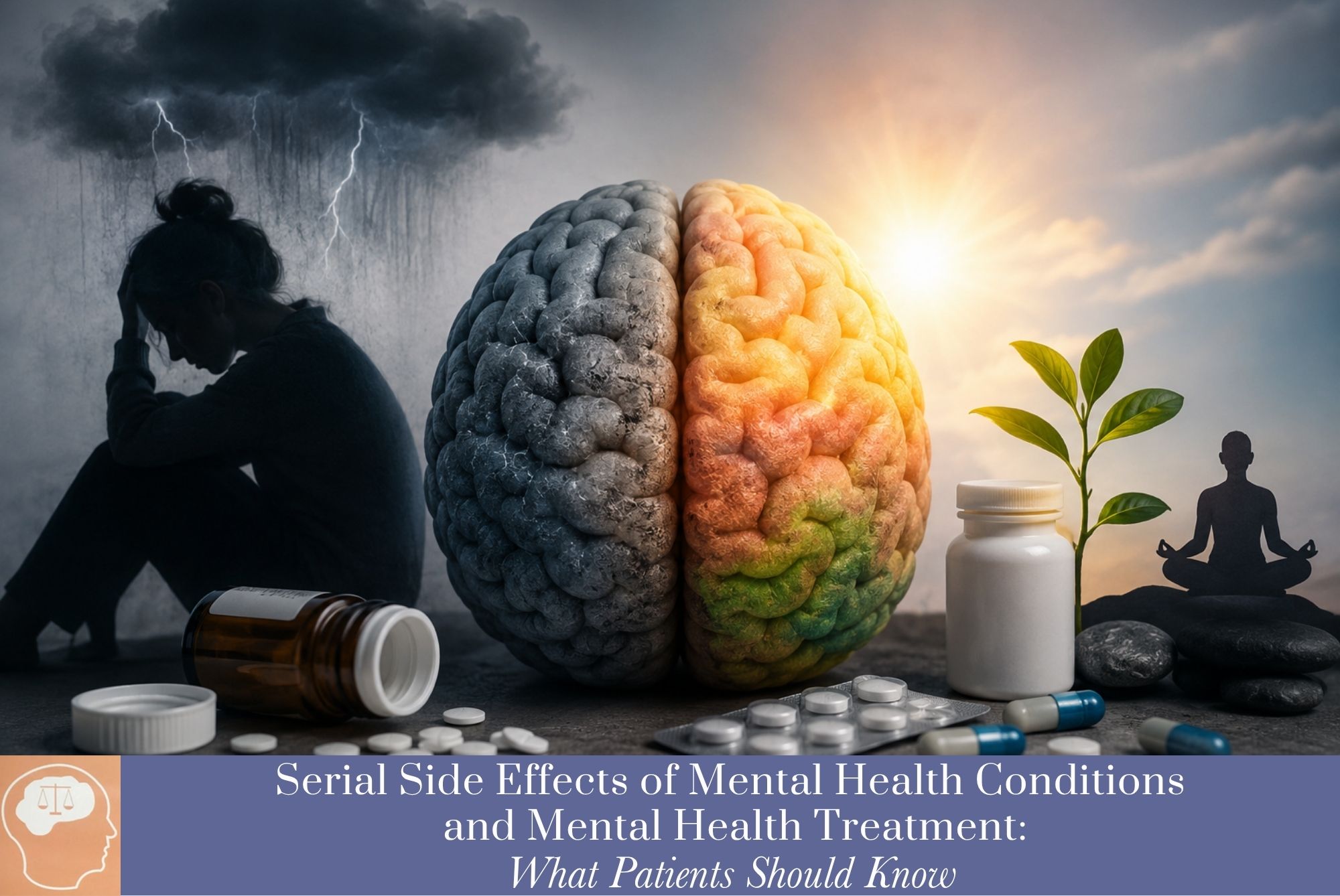
Mental health conditions affect much more than emotions. They can influence nearly every body system, relationships, work performance, physical health, and overall quality of life. At the same time, effective mental health treatments—including therapy, lifestyle interventions, and medication—can also produce side effects that patients should understand and discuss with their healthcare providers.
Understanding the serial side effects of both untreated mental health conditions and the treatments used to manage them helps patients make informed decisions and encourages proactive care. At The Potter’s Behavioral Medicine Clinic, our goal is to provide individualized, evidence-based treatment while helping patients recognize, monitor, and manage both the challenges of mental illness and the effects of treatment.
Understanding Serial Side Effects
What Are Serial Side Effects?
Serial side effects refer to the ongoing or cascading effects that develop over time rather than appearing all at once. In mental health, these effects can occur from:
- Untreated mental health disorders
- Long-term stress on the brain and body
- Medication side effects
- Changes in sleep, appetite, and daily functioning
- Social and occupational consequences
- Interactions between physical and mental health
Some side effects improve quickly with treatment, while others require careful monitoring and adjustments throughout the recovery process.
The Long-Term Effects of Untreated Mental Health Conditions
Depression
Major depressive disorder affects much more than mood. When left untreated, depression can contribute to a series of physical and emotional complications.
Common long-term effects include:
- Chronic fatigue
- Sleep disturbances
- Memory and concentration difficulties
- Reduced immune system function
- Increased pain sensitivity
- Cardiovascular health risks
- Social isolation
- Decreased work or school performance
- Increased risk of substance misuse
Depression also increases the risk of chronic medical illnesses by reducing motivation for healthy behaviors and increasing physiological stress responses.
Anxiety Disorders
Persistent anxiety keeps the body’s stress response activated for extended periods. Over time, this constant state of alertness can affect multiple body systems.
Potential serial side effects include:
- Elevated blood pressure
- Muscle tension
- Frequent headaches
- Digestive problems
- Irritable bowel symptoms
- Insomnia
- Fatigue
- Difficulty concentrating
- Increased risk of panic attacks
Without treatment, anxiety often reinforces avoidance behaviors that limit personal growth and daily functioning.
Bipolar Disorder
Untreated bipolar disorder can cause repeated mood episodes that affect personal, professional, and financial stability.
Long-term consequences may include:
- Relationship difficulties
- Employment instability
- Financial challenges
- Impaired judgment during manic episodes
- Increased substance use
- Higher risk of hospitalization
- Greater suicide risk
- Cognitive changes after repeated mood episodes
Early diagnosis and consistent treatment help reduce these complications.
ADHD
Attention-Deficit/Hyperactivity Disorder affects executive functioning across all stages of life.
Untreated ADHD may contribute to:
- Poor academic performance
- Workplace difficulties
- Chronic disorganization
- Low self-esteem
- Emotional dysregulation
- Increased accident risk
- Financial management problems
- Higher rates of anxiety and depression
Proper evaluation and treatment often improve both functioning and confidence.
Post-Traumatic Stress Disorder (PTSD)
PTSD involves persistent changes in the brain’s stress response after experiencing or witnessing trauma.
Long-term effects may include:
- Hypervigilance
- Sleep disruption
- Nightmares
- Emotional numbness
- Chronic anxiety
- Increased cardiovascular risk
- Difficulty maintaining relationships
- Depression
- Substance misuse
Trauma-focused therapy can significantly reduce symptoms and improve long-term outcomes.
Physical Health Consequences of Chronic Mental Health Conditions
Brain Health
Chronic stress hormones can influence memory, learning, and concentration. Persistent emotional distress may reduce cognitive efficiency, making everyday tasks feel more difficult.
Cardiovascular Health
Depression, anxiety, and chronic stress have been associated with:
- Hypertension
- Increased inflammation
- Elevated heart disease risk
- Stroke risk
- Metabolic changes
Mental and physical health are closely connected, making comprehensive treatment essential.
Immune System Function
Long-term psychological stress may suppress immune function, increasing susceptibility to infections and slowing healing.
Sleep Disorders
Many psychiatric conditions interfere with normal sleep patterns. Poor sleep can worsen symptoms, creating a cycle that affects emotional regulation, physical recovery, and cognitive performance.
Common Side Effects of Mental Health Medications
Antidepressants
Selective serotonin reuptake inhibitors (SSRIs), serotonin-norepinephrine reuptake inhibitors (SNRIs), and other antidepressants are generally safe and effective, but some patients experience temporary side effects.
Potential side effects include:
- Nausea
- Headache
- Dry mouth
- Sleep changes
- Increased sweating
- Mild gastrointestinal upset
- Sexual side effects
- Weight changes
Many early side effects improve during the first several weeks of treatment.
Anti-Anxiety Medications
Depending on the medication prescribed, patients may experience:
- Drowsiness
- Dizziness
- Reduced coordination
- Memory difficulties
- Fatigue
These medications require careful medical supervision, especially when used long term.
Mood Stabilizers
Mood stabilizers used for bipolar disorder require ongoing monitoring because potential side effects vary by medication.
Possible effects include:
- Weight gain
- Tremors
- Increased thirst
- Thyroid changes
- Kidney function changes
- Gastrointestinal symptoms
Regular laboratory testing helps ensure medication safety.
Stimulant Medications for ADHD
Common side effects may include:
- Decreased appetite
- Difficulty sleeping
- Increased heart rate
- Mild anxiety
- Dry mouth
- Headache
Providers carefully adjust dosing to maximize benefits while minimizing side effects.
Emotional Side Effects During Recovery
Adjustment Periods
Beginning therapy or medication sometimes brings temporary emotional changes before improvement occurs.
Patients may notice:
- Increased emotional awareness
- Temporary fatigue
- Mood fluctuations
- Anxiety about discussing difficult experiences
These experiences often reflect the process of healing rather than treatment failure.
Learning New Coping Skills
Therapy encourages patients to confront difficult emotions, challenge unhealthy thought patterns, and develop healthier behaviors. This process requires effort and patience but leads to meaningful long-term improvements.
Lifestyle Factors That Influence Mental Health Side Effects
Nutrition
Balanced nutrition supports neurotransmitter production, energy levels, and overall brain health. Nutrient deficiencies can worsen fatigue, concentration problems, and mood symptoms.
Exercise
Regular physical activity improves:
- Mood regulation
- Sleep quality
- Stress management
- Cognitive function
- Cardiovascular health
Exercise complements psychotherapy and medication for many patients.
Sleep Hygiene
Healthy sleep habits improve treatment effectiveness by supporting emotional regulation, memory, and overall resilience.
Stress Management
Mindfulness, relaxation exercises, breathing techniques, and healthy routines reduce chronic stress and help minimize symptom flare-ups.
Monitoring Side Effects Throughout Treatment
Why Regular Follow-Up Matters
Mental health treatment is not one-size-fits-all. Individual responses vary based on:
- Genetics
- Medical history
- Age
- Current medications
- Lifestyle
- Underlying medical conditions
Regular appointments allow providers to evaluate treatment effectiveness and make necessary adjustments.
Never Stop Medication Without Medical Guidance
Some psychiatric medications require gradual tapering. Abrupt discontinuation can cause withdrawal symptoms or symptom recurrence.
Patients should always consult their provider before changing medication schedules.
When to Contact Your Mental Health Provider
Patients should contact their provider if they experience:
- Severe medication side effects
- Worsening depression
- Increased anxiety
- Suicidal thoughts
- Significant mood changes
- Allergic reactions
- Persistent sleep disturbances
- Severe weight changes
- New physical symptoms
Prompt communication allows treatment adjustments before complications develop.
Comprehensive Mental Health Care Improves Long-Term Outcomes
Mental health recovery involves more than symptom reduction. Successful treatment improves emotional well-being, relationships, physical health, work performance, and overall quality of life.
At The Potter’s Behavioral Medicine Clinic, we provide comprehensive psychiatric evaluations, medication management, psychotherapy, and individualized treatment plans designed to minimize side effects while maximizing recovery. Through compassionate, evidence-based care, our team helps patients navigate every stage of treatment with confidence and support.
Frequently Asked Questions
What are serial side effects in mental health?
Serial side effects are the ongoing or cumulative effects that develop over time from either untreated mental health conditions or the treatments used to manage them. They can affect emotional, cognitive, physical, and social well-being.
Do antidepressant side effects usually go away?
Many common antidepressant side effects improve within the first few weeks as the body adjusts. If side effects persist or become severe, patients should discuss them with their healthcare provider rather than stopping medication on their own.
Can untreated anxiety affect physical health?
Yes. Chronic anxiety can contribute to elevated blood pressure, digestive issues, muscle tension, headaches, sleep disorders, fatigue, and increased cardiovascular risk.
Are mental health medications safe for long-term use?
Many psychiatric medications are considered safe for long-term use when appropriately monitored by qualified healthcare providers. Regular follow-up appointments help ensure continued effectiveness and safety.
Why does therapy sometimes feel emotionally difficult?
Therapy often involves discussing painful experiences and challenging long-standing thought patterns. Temporary emotional discomfort is common and frequently represents progress toward long-term healing.
Can lifestyle changes reduce medication side effects?
Healthy sleep, balanced nutrition, regular exercise, hydration, and stress management can improve overall well-being and may help reduce certain medication-related side effects.
Should I stop taking my medication if I feel better?
No. Many psychiatric medications should only be stopped under medical supervision. Abruptly discontinuing treatment can lead to withdrawal symptoms or a return of mental health symptoms.
How often should mental health medications be reviewed?
Medication review schedules vary based on diagnosis, medication type, and treatment progress. Most patients benefit from regular follow-up appointments to monitor effectiveness and side effects.
Contact Information
The Potter’s Behavioral Medicine Clinic
Website
https://thepottersclinic.com
Villa Rica
Phone: (770) 459-8799
Address:
307 Old Stone Road
Villa Rica, GA 30180
Hiram
Phone: (770) 439-3070
Address:
5604 Wendy Bagwell Pkwy
Hiram, GA 30141
Stockbridge – Virtual Visits
Phone: (770) 459-8799
Address:
255 Corporate Centre Drive
Stockbridge, GA 30281
Decatur – Virtual Visits
Phone: (770) 459-8799
Address:
5322 Snapfinger Park Drive
Decatur, GA 30035