
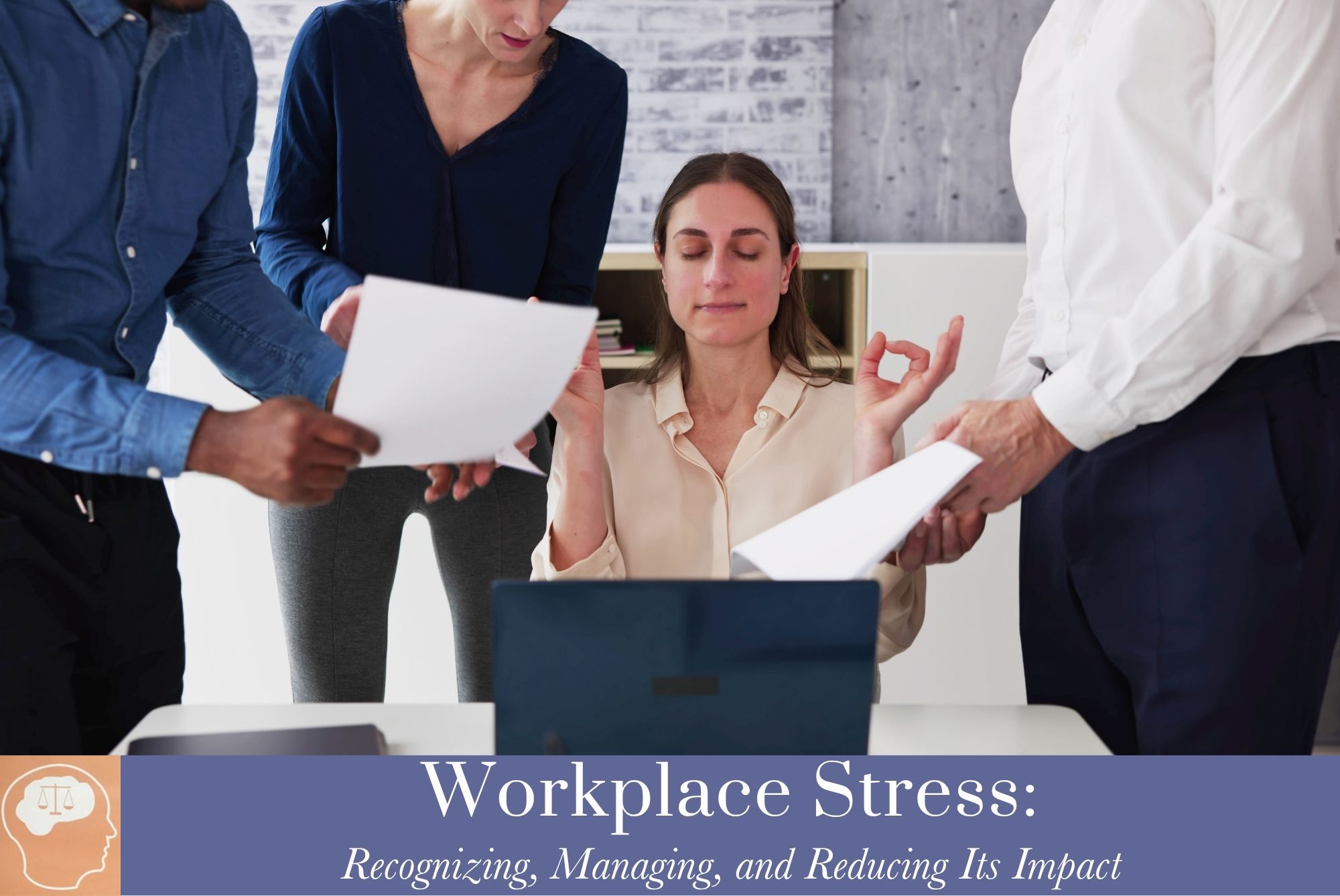
Workplace stress is a significant concern that affects employees at all levels. With increasing demands, tight deadlines, and ever-changing work environments, stress can accumulate and take a toll on mental and physical health. At The Potter’s Behavioral Medicine Clinic, we understand how overwhelming workplace stress can be and are committed to helping individuals manage and reduce its effects. Let’s explore what workplace stress is, its signs, and how to manage it effectively.
What is Workplace Stress?
Workplace stress refers to the physical and emotional responses that occur when the demands of a job do not align with the capabilities, resources, or needs of an employee. It can be triggered by numerous factors, such as excessive workload, lack of control, conflicts with colleagues or supervisors, and job insecurity.
Although some degree of stress is normal in any job, chronic workplace stress can lead to burnout, anxiety, depression, and other serious health conditions if left unmanaged.
Common Causes of Workplace Stress
- Workload Pressure: When employees are asked to handle more tasks than they can manage within a reasonable time frame, it leads to stress.
- Unclear Job Expectations: Ambiguity about job responsibilities can create confusion and anxiety.
- Lack of Control: Feeling powerless or having little autonomy in how you perform your job can be demotivating.
- Interpersonal Conflicts: Disagreements with coworkers, managers, or clients can lead to stress.
- Job Insecurity: Fear of losing your job or not advancing within the company can create ongoing worry.
- Work-Life Imbalance: Difficulty in balancing professional responsibilities with personal life often leads to stress.
Signs and Symptoms of Workplace Stress
Workplace stress manifests in various ways. Some of the most common signs include:
- Physical Symptoms: Headaches, fatigue, muscle tension, and difficulty sleeping.
- Emotional Symptoms: Feelings of irritability, anxiety, or depression.
- Cognitive Symptoms: Difficulty concentrating, forgetfulness, or indecisiveness.
- Behavioral Symptoms: Changes in eating habits, increased use of alcohol or drugs, or withdrawing from social situations.
How to Manage and Reduce Workplace Stress
While workplace stress cannot always be eliminated, there are effective ways to manage it:
- Set Boundaries: Establish clear work-life boundaries to prevent burnout. Avoid checking work emails outside of business hours, if possible.
- Prioritize and Delegate: Prioritize your tasks and break larger projects into manageable pieces. Delegate tasks when possible.
- Develop Coping Mechanisms: Practice mindfulness, meditation, or deep breathing exercises to manage stress.
- Communicate: Speak with supervisors or HR about your stressors. Open communication can often lead to adjustments in workload or responsibilities.
- Seek Professional Help: If workplace stress begins to affect your well-being, consider seeking professional help, such as therapy or counseling.
- Exercise Regularly: Physical activity helps reduce stress and improve mental health. Even short breaks for a walk can make a difference.
- Maintain a Healthy Diet: Eating well-balanced meals can help improve mood and energy levels.
- Take Time Off: Don’t hesitate to take personal days or vacation time to recharge.
The Role of Professional Support
At The Potter’s Behavioral Medicine Clinic, we offer specialized services to help individuals cope with workplace stress. Our licensed therapists and mental health professionals work with you to identify the root causes of stress and provide personalized strategies to help you manage it.
Q&A Section
Q: How do I know if my workplace stress is serious enough to seek professional help?
A: If workplace stress is affecting your physical health, emotional well-being, or ability to perform your job effectively, it may be time to seek professional help. Symptoms such as chronic anxiety, depression, sleep disturbances, or physical ailments should not be ignored.
Q: What kind of therapy is best for workplace stress?
A: Cognitive-behavioral therapy (CBT) is one of the most effective therapies for workplace stress. CBT helps you identify negative thinking patterns and develop healthier coping mechanisms. Other options may include mindfulness therapy, stress management programs, or personalized counseling.
Q: Can workplace stress lead to long-term mental health issues?
A: Yes, prolonged exposure to high levels of stress can lead to chronic anxiety, depression, and even burnout. If left unaddressed, it can have long-term consequences for both your mental and physical health.
Q: What should I do if my work environment is toxic?
A: If your workplace is toxic, it is important to set boundaries and protect your mental health. Seeking support from HR, transferring to a different department, or even looking for a new job may be necessary. Speaking to a mental health professional can also help you navigate these situations.
Q: How can I support a colleague who is experiencing workplace stress?
A: Offer a listening ear and encourage them to seek professional support if needed. Avoid giving unsolicited advice but be supportive by acknowledging their feelings and directing them to resources that may help.
Contact Us
If you or someone you know is struggling with workplace stress, The Potter’s Behavioral Medicine Clinic is here to help. We offer comprehensive mental health services to support your well-being.
The Potter’s Behavioral Medicine Clinic
Website: thepottersclinic.com
- Villa Rica
Phone: (770) 459-8799
Address: 307 Old Stone Road, Villa Rica, GA 30180 - Hiram
Phone: (770) 439-3070
Address: 5604 Wendy Bagwell Pkwy, Hiram, GA 30141 - Stockbridge (Virtual Visits)
Phone: (770) 459-8799
Address: 255 Corporate Centre Drive, Stockbridge, GA 30281 - Decatur (Virtual Visits)
Phone: (770) 459-8799
Address: 5322 Snapfinger Park Drive, Decatur, GA 30035
Don’t let workplace stress control your life. Contact us today for support and guidance.