
The Brain-Gut Connection: How Digestive Health and Mental Wellness Work Together
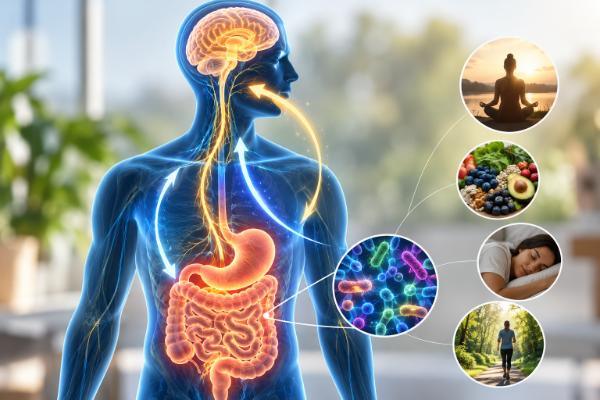
The brain and digestive system may seem like separate parts of the body, but they are in constant communication. This relationship, known as the brain-gut connection or gut-brain axis, helps explain why stress can affect digestion, why digestive problems may influence mood, and why supporting overall gut health can be an important part of whole-person wellness.
At The Potter’s Clinic, understanding the connection between physical and emotional health can help provide a more comprehensive approach to symptoms that may involve stress, mood, sleep, digestion, and overall well-being.
Request an AppointmentWhat Is the Brain-Gut Connection?
The brain-gut connection refers to the two-way communication system between the central nervous system, which includes the brain and spinal cord, and the enteric nervous system, the extensive network of nerves located throughout the gastrointestinal tract.
These systems communicate through several interconnected pathways involving nerves, hormones, immune signaling, and chemical messengers.
One of the most important communication pathways is the vagus nerve, which carries signals between the brain and many internal organs, including the digestive tract. This communication works in both directions: the brain can influence gastrointestinal function, and activity within the digestive system can send information back to the brain.
Why Is the Gut Sometimes Called the “Second Brain”?
The digestive tract contains an extensive nervous system with millions of nerve cells that help regulate digestion independently of conscious thought. This enteric nervous system controls functions such as intestinal movement, digestive secretions, and communication within the gastrointestinal tract.
Calling the gut the “second brain” does not mean that it thinks or functions like the brain. Instead, the term highlights the complexity of the enteric nervous system and its close relationship with the central nervous system.
This connection helps explain why emotional experiences can produce very real physical sensations in the stomach and intestines.
Why Stress Can Affect Your Stomach
Many people have experienced nausea before an important event, “butterflies” when nervous, or changes in bowel habits during periods of intense stress. These reactions demonstrate the brain-gut connection in everyday life.
When the brain perceives stress, the body activates physiological stress-response systems. These changes can affect:
- Gastrointestinal movement
- Stomach and intestinal sensitivity
- Appetite
- Digestive secretions
- Bowel habits
- Immune activity
- Perception of abdominal discomfort
Short-term stress responses are normal. However, persistent or severe stress may contribute to ongoing gastrointestinal symptoms in some individuals.
The Gut Microbiome and the Brain
Another important area of brain-gut research involves the gut microbiome—the enormous community of microorganisms that naturally lives within the gastrointestinal tract.
Gut microorganisms interact with food, the immune system, intestinal cells, and various metabolic processes. Researchers are continuing to investigate how these microorganisms may also influence communication along the gut-brain axis.
The microbiome can produce or influence substances involved in nervous system signaling, including short-chain fatty acids and other metabolites. At the same time, stress, diet, medications, illness, sleep patterns, and environmental factors may affect the composition and activity of the microbiome.
The science of the microbiome is rapidly developing, and many potential treatments marketed as “gut-brain solutions” have not yet been conclusively established. Personalized medical guidance is important rather than assuming that a single supplement, probiotic, or restrictive diet will correct every symptom.
Serotonin and the Digestive System
Serotonin is commonly associated with mood, but much of the body’s serotonin is produced within the gastrointestinal tract.
In the gut, serotonin has important roles in digestive function, including intestinal movement and signaling. This does not mean that gastrointestinal serotonin simply travels directly into the brain and determines a person’s mood. The relationship is considerably more complex.
Instead, serotonin is one example of how closely nervous system function and gastrointestinal physiology are interconnected.
Can Digestive Problems Affect Mental Health?
Research increasingly supports an association between gastrointestinal health and psychological well-being. People living with chronic gastrointestinal symptoms may also experience anxiety, stress, sleep disturbances, or changes in mood.
The relationship can become cyclical.
Digestive symptoms may create worry or emotional distress. That distress may activate physiological responses that make gastrointestinal symptoms feel worse. Increasing symptoms can then create additional stress.
Recognizing this cycle does not mean digestive symptoms are “all in your head.” Gastrointestinal symptoms are real physical experiences, even when stress or emotional health contributes to their severity.
Can Anxiety Cause Digestive Symptoms?
Anxiety can produce noticeable gastrointestinal changes because the body’s stress-response systems directly affect digestive activity.
During periods of anxiety, some people experience:
- Nausea
- Abdominal discomfort
- Diarrhea
- Constipation
- Reduced or increased appetite
- Bloating
- Indigestion
- Urgency
- A sensation of tightness or “knots” in the stomach
Persistent symptoms should still be medically evaluated. It is important not to automatically assume that abdominal pain, bowel changes, or other gastrointestinal symptoms are caused by anxiety.
IBS and the Brain-Gut Connection
Irritable bowel syndrome (IBS) is one of the conditions commonly discussed in relation to gut-brain interactions.
IBS is considered a disorder of gut-brain interaction. Symptoms may include abdominal pain associated with changes in bowel movements, including diarrhea, constipation, or both.
Changes in intestinal sensitivity, motility, microbiome activity, immune signaling, and brain-gut communication may all play roles.
Because several factors can contribute to IBS symptoms, treatment may involve multiple strategies rather than focusing exclusively on either the digestive tract or emotional health.
How Mental Health Treatment May Support Physical Wellness
When stress, anxiety, depression, trauma, or other emotional concerns are affecting everyday life, addressing mental health can have benefits that extend beyond mood.
Depending on an individual’s needs, treatment may help improve coping strategies, stress management, sleep, daily routines, and the way the nervous system responds to stressful situations.
For people experiencing both psychological and gastrointestinal symptoms, coordinated care can be particularly valuable. Mental health professionals and medical providers can address different aspects of the patient’s health while ruling out other potential causes of symptoms.
Supporting a Healthy Gut-Brain Relationship
There is no single lifestyle strategy that guarantees a healthy gut-brain axis. However, everyday habits that support general physical and mental health may also support healthy communication between these systems.
Helpful strategies may include eating a nutritionally balanced diet, getting regular physical activity, maintaining consistent sleep habits, staying adequately hydrated, managing stress, limiting excessive alcohol consumption, and seeking appropriate treatment for persistent medical or mental health concerns.
Dietary needs can vary considerably from one person to another, particularly for people with gastrointestinal disorders. Major dietary restrictions or supplementation programs should ideally be discussed with an appropriate healthcare professional.
Sleep, Stress, and the Gut-Brain Axis
Sleep is another important component of whole-body health.
Poor sleep can affect emotional regulation, stress responses, appetite, immune function, and daily habits. At the same time, gastrointestinal discomfort or psychological distress can make it more difficult to sleep.
This can create another cycle in which poor sleep, stress, and physical symptoms reinforce one another.
Addressing sleep problems alongside mental and physical health concerns can therefore be an important component of comprehensive care.
When Should You Seek Professional Help?
Occasional digestive discomfort during stressful situations is common. However, recurring physical or emotional symptoms deserve attention.
Consider speaking with a healthcare professional when symptoms are persistent, worsening, interfering with work or relationships, disrupting sleep, affecting eating habits, or significantly reducing quality of life.
New or concerning gastrointestinal symptoms should also receive appropriate medical evaluation rather than being attributed solely to stress or anxiety.
Frequently Asked Questions About the Brain-Gut Connection
Is the brain-gut connection scientifically proven?
Yes. Communication between the central nervous system and gastrointestinal system is well established. Researchers continue to study the precise roles of the microbiome, immune system, hormones, metabolism, and nervous system in this relationship.
Can stress really cause stomach problems?
Stress can alter gastrointestinal movement, sensitivity, appetite, and other digestive processes. Some people therefore notice increased digestive symptoms during stressful periods.
Can gut health affect anxiety?
Research has identified relationships between gastrointestinal function, the microbiome, stress responses, and mental health. However, anxiety is complex and usually cannot be attributed to gut health alone.
Can anxiety make IBS worse?
Stress and anxiety may worsen symptoms in some people with IBS because IBS involves communication between the digestive tract and nervous system. This does not mean anxiety is the sole cause of IBS.
Does improving gut health cure depression or anxiety?
There is currently no evidence that simply “fixing the gut” universally cures depression or anxiety. Mental health conditions can involve biological, psychological, social, environmental, and medical factors. Appropriate evaluation and individualized treatment remain important.
Should I take probiotics for mental health?
Not necessarily. Although probiotics and the microbiome are active areas of research, benefits vary according to the organism, strain, dose, condition, and individual. A healthcare professional can help determine whether a probiotic is appropriate.
Why does my stomach hurt when I am nervous?
Stress activates nervous system and hormonal responses that can alter digestive movement and increase gastrointestinal sensitivity. This can create sensations such as nausea, cramping, urgency, or “butterflies.”
Can treating anxiety improve digestive symptoms?
For some individuals, addressing anxiety and stress may reduce gastrointestinal symptoms, particularly when symptoms are influenced by gut-brain interactions. Persistent digestive symptoms should also be evaluated by an appropriate medical provider.
Is the gut-brain connection the same for everyone?
No. Genetics, medical conditions, medications, diet, sleep, stress, environment, psychological health, and other factors can influence how individuals experience brain-gut interactions.
A Whole-Person Approach at The Potter’s Clinic
Physical health and mental health are deeply interconnected. The brain-gut axis is one of the clearest examples of how emotional experiences can influence physical processes—and how physical symptoms can affect emotional well-being.
At The Potter’s Clinic, care can focus on understanding the whole person rather than viewing symptoms in isolation. When stress, anxiety, mood changes, sleep concerns, or other mental health challenges are affecting your daily life, professional evaluation can help identify appropriate next steps.
Contact Information
The Potter’s Clinic
Visit thepottersclinic.com to learn more about available services or to contact the clinic.
Request an Appointment