
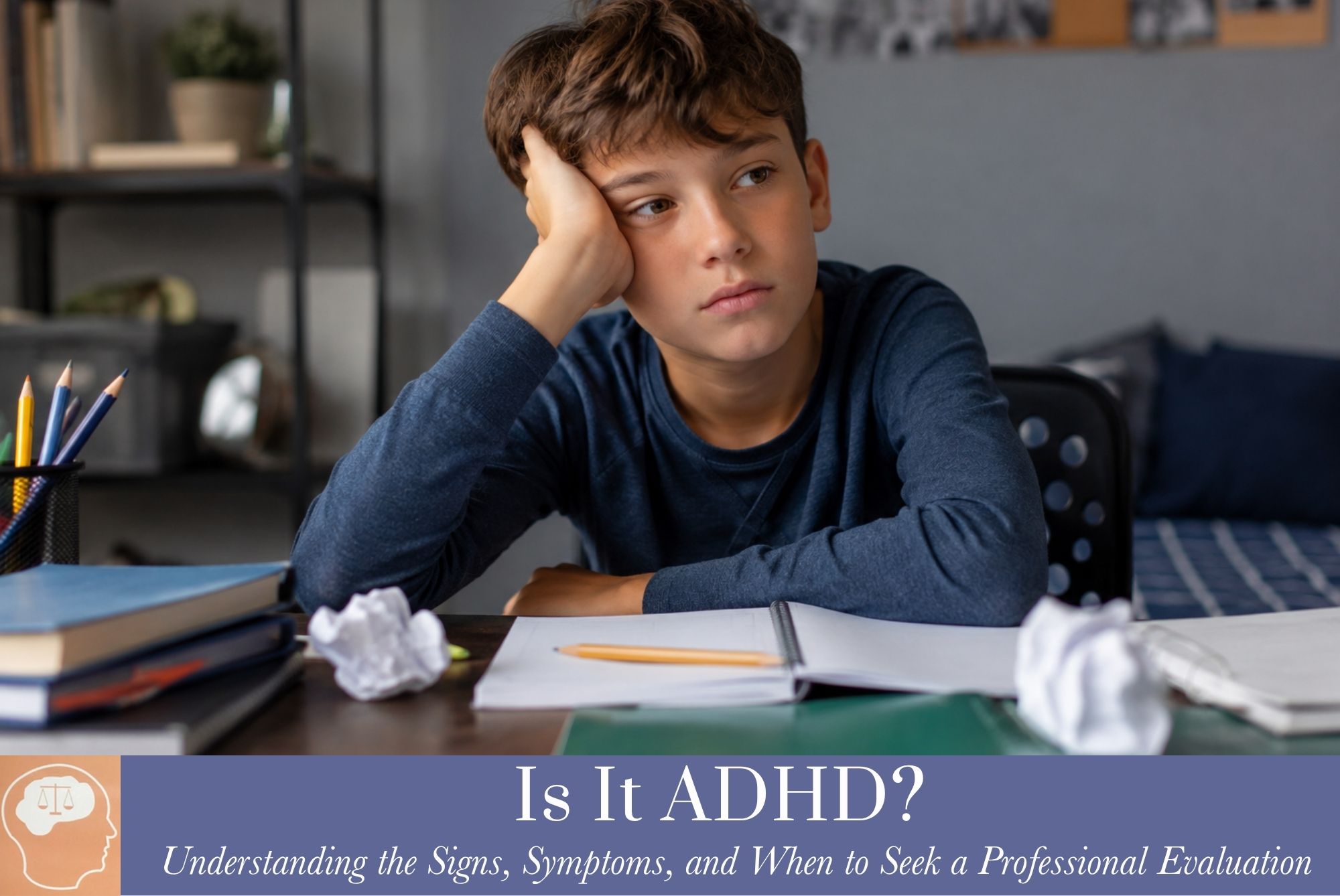
 Difficulty concentrating, feeling restless, forgetting important tasks, or struggling to stay organized are challenges many people experience from time to time. However, when these symptoms become persistent, interfere with school, work, relationships, or daily responsibilities, they may indicate Attention-Deficit/Hyperactivity Disorder (ADHD).
ADHD is one of the most common neurodevelopmental conditions affecting both children and adults, yet it remains widely misunderstood. Many individuals spend years believing they are simply “lazy,” “unmotivated,” or “bad at staying organized” when they are actually dealing with a medical condition that can be effectively managed with the right support.
At The Potter’s Behavioral Medicine Clinic, comprehensive psychiatric evaluations help determine whether ADHD is the cause of ongoing attention difficulties or whether another medical or mental health condition may be contributing to similar symptoms. An accurate diagnosis is the first step toward developing an effective treatment plan that supports long-term success.
What Is ADHD?
Attention-Deficit/Hyperactivity Disorder (ADHD) is a neurodevelopmental disorder that affects the brain’s executive functioning abilities. Executive functions include skills such as:
Maintaining Attention
Individuals with ADHD often have difficulty sustaining focus, particularly on tasks that require prolonged mental effort or are not personally interesting.
Organization
Planning projects, managing schedules, remembering appointments, and keeping track of belongings can become ongoing challenges.
Impulse Control
Some individuals act before thinking through consequences, interrupt conversations, or struggle to wait their turn.
Emotional Regulation
Many people with ADHD experience frustration more intensely and may have difficulty managing emotions during stressful situations.
Working Memory
Remembering instructions, completing multi-step tasks, or keeping information active while solving problems may be significantly more difficult.
ADHD is not caused by poor parenting, lack of intelligence, or insufficient motivation. It is a recognized medical condition involving differences in brain development and neurotransmitter function.
ADHD Looks Different in Everyone
One reason ADHD often goes undiagnosed is that symptoms vary considerably from person to person.
Some individuals appear constantly active and impulsive, while others seem quiet, distracted, and frequently “daydreaming.”
The Diagnostic and Statistical Manual of Mental Disorders (DSM-5-TR) identifies three primary presentations of ADHD.
Predominantly Inattentive Presentation
Common signs include:
- Frequently losing items
- Difficulty finishing tasks
- Becoming easily distracted
- Forgetfulness
- Poor time management
- Trouble following detailed instructions
- Making careless mistakes
- Difficulty listening during conversations
Predominantly Hyperactive-Impulsive Presentation
Symptoms may include:
- Constant fidgeting
- Feeling restless
- Excessive talking
- Difficulty remaining seated
- Interrupting others
- Acting without considering consequences
- Difficulty waiting in lines or taking turns
Combined Presentation
Many individuals experience both inattentive and hyperactive-impulsive symptoms that significantly impact daily functioning.
ADHD in Children
Children with ADHD often face challenges at home and in school. While many young children naturally have high energy levels, ADHD symptoms are more persistent and interfere with normal development.
Academic Difficulties
Children may:
- Struggle to complete homework
- Have trouble following classroom instructions
- Frequently forget assignments
- Lose school supplies
- Have declining grades despite strong intelligence
Behavioral Challenges
Some children experience:
- Frequent interruptions
- Difficulty waiting their turn
- Emotional outbursts
- Trouble remaining seated
- Increased conflict with peers
Social Challenges
Friendships may become difficult because impulsive behaviors, emotional reactions, or poor listening skills can affect social interactions.
Early identification allows children to receive appropriate support before academic and emotional difficulties become more severe.
ADHD in Adults
Many adults are surprised to learn they have ADHD because they were never diagnosed during childhood.
Instead, they often describe years of frustration with:
Workplace Performance
Adults may experience:
- Missed deadlines
- Difficulty prioritizing tasks
- Frequent procrastination
- Trouble completing projects
- Problems managing multiple responsibilities
Relationship Challenges
ADHD can affect communication, follow-through, and emotional regulation, creating misunderstandings within relationships.
Financial Organization
Late payments, forgotten bills, impulsive spending, and difficulty budgeting are common concerns for some adults with untreated ADHD.
Chronic Stress
Constantly trying to compensate for attention difficulties can lead to exhaustion, anxiety, reduced confidence, and burnout.
Conditions That Can Look Like ADHD
Not every attention problem is caused by ADHD. Several medical and mental health conditions share similar symptoms, making a comprehensive psychiatric evaluation essential.
Anxiety Disorders
Persistent worry can interfere with concentration, memory, and task completion.
Depression
Low motivation, fatigue, slowed thinking, and poor concentration may resemble ADHD.
Sleep Disorders
Poor sleep quality, insomnia, or sleep apnea can significantly impair attention and cognitive performance.
Trauma
Past traumatic experiences may contribute to difficulties with focus, emotional regulation, and executive functioning.
Learning Disabilities
Specific learning disorders can affect academic performance in ways that resemble ADHD.
Thyroid and Medical Conditions
Certain medical conditions may contribute to concentration problems and should be considered during an evaluation.
Because symptoms often overlap, self-diagnosis can be misleading. Professional assessment helps identify the underlying cause and ensures appropriate treatment.
How ADHD Is Diagnosed
There is no single blood test, brain scan, or laboratory study that confirms ADHD.
Instead, diagnosis involves a comprehensive evaluation that includes:
Medical and Psychiatric History
Your provider reviews current symptoms, developmental history, medical conditions, medications, family history, and previous mental health concerns.
Symptom Assessment
Symptoms are evaluated according to established diagnostic criteria while considering severity, duration, and impact on daily functioning.
Functional Assessment
Providers assess how symptoms affect school, work, family life, relationships, and overall quality of life.
Rule Out Other Conditions
An important part of the evaluation is determining whether another condition better explains the symptoms or whether ADHD exists alongside another diagnosis.
How ADHD Is Treated
Treatment plans are individualized because every patient’s needs are different.
Medication Management
For many individuals, medication helps improve attention, reduce impulsivity, and enhance executive functioning.
Medication decisions are based on a careful evaluation of medical history, symptoms, treatment goals, and ongoing monitoring.
Behavioral Strategies
Developing organizational systems, improving time management, and learning practical coping skills can improve daily functioning.
Therapy
Psychotherapy can help individuals address emotional challenges, build self-confidence, improve relationships, and develop healthier coping mechanisms.
Lifestyle Modifications
Healthy sleep habits, regular physical activity, balanced nutrition, and consistent daily routines can support overall symptom management.
Common Myths About ADHD
Misconceptions often prevent individuals from seeking care.
Myth: ADHD Only Affects Children
Many adults continue to experience ADHD symptoms throughout life. Some are not diagnosed until adulthood.
Myth: People With ADHD Just Need More Discipline
ADHD is a medical condition involving differences in brain function—not a lack of effort or willpower.
Myth: Everyone Gets Distracted, So Everyone Has ADHD
Occasional distraction is normal. ADHD involves persistent symptoms that significantly impair daily functioning across multiple settings.
Myth: High Achievers Cannot Have ADHD
Many successful professionals, students, entrepreneurs, and executives have ADHD. Some compensate effectively for years before symptoms become overwhelming.
When Should You Schedule an ADHD Evaluation?
You should consider a professional evaluation if attention difficulties consistently interfere with:
School Performance
Declining grades, incomplete assignments, or chronic academic struggles may warrant evaluation.
Work Productivity
Missed deadlines, difficulty staying organized, or repeated performance concerns may indicate underlying ADHD.
Relationships
Frequent misunderstandings, forgotten commitments, or emotional impulsivity can affect personal relationships.
Daily Responsibilities
Difficulty managing appointments, finances, household responsibilities, or personal organization may suggest executive functioning challenges.
Early diagnosis allows individuals to better understand their symptoms and receive evidence-based treatment that supports long-term success.
Living Successfully With ADHD
An ADHD diagnosis does not define a person’s potential. With appropriate treatment, education, and support, many individuals experience meaningful improvements in productivity, confidence, emotional well-being, and quality of life.
Learning how your brain processes information allows you to build strategies that work with your strengths rather than against them. Professional guidance can help individuals develop practical tools that improve everyday functioning while reducing frustration and stress.
If you or someone you love has persistent attention difficulties, comprehensive psychiatric evaluation is the best way to determine whether ADHD—or another condition—is contributing to these challenges. Early assessment and individualized treatment can make a significant difference at every stage of life.
Frequently Asked Questions
What age can ADHD be diagnosed?
Symptoms often begin during childhood, but many individuals are not diagnosed until adolescence or adulthood. A professional evaluation considers both current symptoms and developmental history.
Can adults develop ADHD later in life?
ADHD is considered a neurodevelopmental disorder that begins in childhood. However, many adults are diagnosed later because their symptoms were previously overlooked or compensated for.
Is ADHD hereditary?
Research suggests genetics play a significant role in ADHD. Individuals with a family history of ADHD have a higher likelihood of developing the condition.
Can anxiety and ADHD occur together?
Yes. Many individuals have both ADHD and anxiety disorders. A comprehensive psychiatric evaluation helps determine whether one or both conditions are present.
Is medication the only treatment for ADHD?
No. Treatment may include medication management, behavioral interventions, psychotherapy, organizational strategies, and lifestyle modifications depending on each patient’s needs.
How long does an ADHD evaluation take?
The length of an evaluation varies depending on the complexity of symptoms, medical history, and whether additional assessments are needed.
Can untreated ADHD affect mental health?
Yes. Untreated ADHD may contribute to chronic stress, low self-esteem, anxiety, depression, relationship difficulties, and occupational challenges.
Should I seek an evaluation if I’ve struggled with attention for years?
Yes. Even if symptoms have been present for many years, a professional evaluation can provide clarity, identify contributing factors, and help guide effective treatment options.
Contact Information
The Potter’s Behavioral Medicine Clinic
Villa Rica
307 Old Stone Road
Villa Rica, GA 30180
Phone: (770) 459-8799
Hiram
5604 Wendy Bagwell Pkwy
Hiram, GA 30141
Phone: (770) 439-3070
Stockbridge – Virtual Visits
255 Corporate Centre Drive
Stockbridge, GA 30281
Phone: (770) 459-8799
Decatur – Virtual Visits
5322 Snapfinger Park Drive
Decatur, GA 30035
Phone: (770) 459-8799
Website: https://thepottersclinic.com