
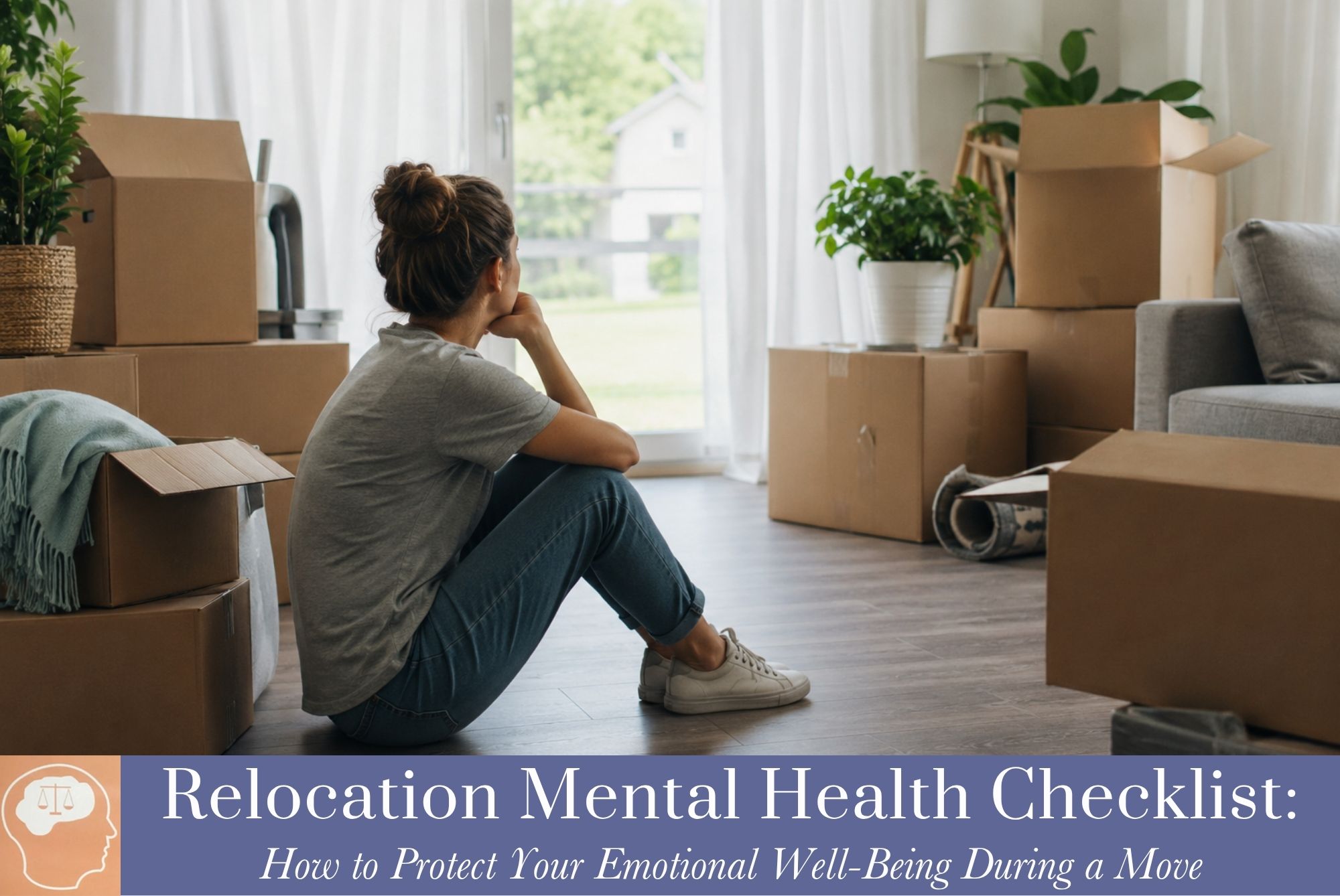
 Moving to a new home can be an exciting opportunity for a fresh start, but it is also one of life’s most significant stressors. Whether you’re relocating across town or across the country, adjusting to a new environment often brings emotional challenges alongside the physical demands of packing, planning, and settling in. Feelings of anxiety, sadness, uncertainty, and even grief are common during major life transitions.
A relocation mental health checklist can help you prepare emotionally before, during, and after your move. Taking proactive steps to support your mental well-being can make the transition smoother and reduce the risk of prolonged stress, anxiety, or depression.
At The Potter’s Behavioral Medicine Clinic, we understand how major life changes affect mental health. Our team provides compassionate behavioral health services to help individuals and families navigate transitions with confidence and resilience.
Why Moving Can Affect Mental Health
Relocation Is More Than a Change of Address
Moving often means leaving behind familiar routines, trusted healthcare providers, favorite places, neighbors, coworkers, and social support systems. Even positive moves can trigger emotional distress because your brain must adapt to significant changes all at once.
Common emotional reactions include:
- Increased anxiety
- Difficulty sleeping
- Feeling overwhelmed
- Mood changes
- Irritability
- Loneliness
- Homesickness
- Trouble concentrating
- Loss of motivation
These feelings are a normal response to change but should be monitored if they persist or begin interfering with daily life.
Multiple Stressors Occur Simultaneously
Relocation frequently involves several stressful events occurring together:
- Selling or buying a home
- Financial concerns
- Job transitions
- School changes
- Relationship adjustments
- Packing and logistics
- Uncertainty about the future
- Learning a new community
The combination of these factors can place tremendous strain on emotional health.
Before You Move: Prepare Your Mental Health
Acknowledge Your Feelings
Many people believe they should only feel excited about moving. In reality, it is perfectly normal to experience mixed emotions.
Give yourself permission to acknowledge:
- Grief
- Fear
- Excitement
- Anxiety
- Relief
- Sadness
- Hope
Accepting these emotions instead of suppressing them promotes healthier adjustment.
Maintain Healthy Daily Routines
As much as possible, continue your regular habits before moving.
Prioritize:
- Consistent sleep
- Balanced nutrition
- Regular exercise
- Medication schedules
- Therapy appointments
- Relaxation practices
Routine provides stability during periods of uncertainty.
Create a Realistic Timeline
Last-minute packing and rushing increase stress significantly.
Break tasks into manageable steps such as:
- Decluttering one room at a time
- Packing gradually
- Scheduling utility transfers
- Organizing important documents
- Preparing moving-day essentials
Completing small tasks consistently helps reduce overwhelm.
Protect Your Emotional Health During Moving Week
Lower Your Expectations
Moving days rarely go exactly as planned.
Expect:
- Delays
- Unexpected expenses
- Fatigue
- Minor frustrations
- Schedule changes
Remaining flexible helps reduce emotional strain when problems arise.
Stay Connected
Do not isolate yourself during the move.
Reach out to:
- Friends
- Family
- Neighbors
- Support groups
- Mental health providers
Even brief conversations can provide emotional reassurance during stressful moments.
Practice Stress-Reduction Techniques
Simple coping strategies can calm your nervous system throughout moving week.
Helpful techniques include:
- Deep breathing
- Guided meditation
- Stretching
- Short walks
- Journaling
- Listening to calming music
- Progressive muscle relaxation
Even five to ten minutes of intentional relaxation can improve emotional resilience.
After You Arrive: Focus on Emotional Adjustment
Allow Time to Adapt
Adjusting to a new home takes time.
Many people experience:
- Temporary loneliness
- Culture shock
- Feeling disconnected
- Missing old routines
- Difficulty establishing new habits
Give yourself permission to adapt gradually instead of expecting instant comfort.
Establish New Routines Quickly
One of the fastest ways to feel grounded is to rebuild your daily schedule.
Consider:
- Grocery shopping
- Morning walks
- Exercise routines
- Regular meal times
- Visiting local parks
- Finding nearby coffee shops
- Exploring community events
Familiar routines create emotional stability in unfamiliar surroundings.
Build New Social Connections
Healthy relationships play an important role in mental wellness.
Look for opportunities to:
- Meet neighbors
- Attend community activities
- Volunteer
- Join clubs
- Participate in faith communities
- Attend fitness classes
- Connect with coworkers
Building a support network takes time but greatly improves long-term adjustment.
Help Children Adjust to Relocation
Encourage Open Conversations
Children may not always express anxiety directly.
Instead, they may demonstrate stress through:
- Irritability
- Sleep problems
- School difficulties
- Increased clinginess
- Behavioral changes
Create regular opportunities to ask how they are feeling.
Keep Familiar Items Nearby
Favorite blankets, toys, books, and family traditions provide emotional comfort during transitions.
Maintaining familiar bedtime routines can also help children feel secure.
Explore Together
Help children develop positive associations with their new environment.
Visit:
- Parks
- Libraries
- Ice cream shops
- Recreation centers
- Schools
- Local attractions
Positive experiences encourage confidence and excitement.
Support Older Adults Through Relocation
Older adults may face additional emotional challenges when relocating, particularly if moving away from lifelong homes or communities.
Helpful strategies include:
- Preserving familiar routines
- Bringing meaningful personal belongings
- Encouraging regular family visits
- Maintaining healthcare continuity
- Participating in community activities
Compassion and patience make a significant difference during adjustment.
Continue Mental Health Treatment During a Move
Plan Ahead
If you currently receive behavioral health treatment, avoid interruptions during relocation.
Before moving:
- Refill prescriptions
- Request medical records if needed
- Schedule follow-up appointments
- Discuss relocation with your provider
- Update insurance information
Maintaining continuity of care supports emotional stability during major life transitions.
Consider Virtual Behavioral Health Visits
Telehealth services allow many individuals to continue receiving mental health care even while adjusting to a new location.
Virtual appointments can provide ongoing support for:
- Anxiety
- Depression
- Medication management
- Stress
- Life transitions
Signs You Should Seek Professional Mental Health Support
While temporary stress is expected, professional help may be appropriate if symptoms continue for several weeks or worsen.
Watch for:
- Persistent sadness
- Severe anxiety
- Panic attacks
- Difficulty functioning at work or school
- Sleep problems lasting several weeks
- Social withdrawal
- Loss of interest in activities
- Hopelessness
- Significant changes in appetite
- Thoughts of self-harm or suicide
Early intervention often leads to better outcomes and helps prevent symptoms from becoming more severe.
Healthy Habits That Improve Emotional Resilience
Long-term mental wellness after relocation is supported by healthy lifestyle habits.
Focus on:
- Regular exercise
- Nutritious meals
- Quality sleep
- Social interaction
- Time outdoors
- Mindfulness practices
- Limiting alcohol and substance use
- Scheduling enjoyable activities
- Maintaining realistic expectations
Small daily habits build resilience over time.
Moving Can Also Be an Opportunity for Growth
Although relocation can be emotionally challenging, it also creates opportunities for personal development.
Many individuals discover:
- Greater independence
- New friendships
- Improved confidence
- Fresh career opportunities
- Healthier routines
- Personal growth
- Increased resilience
With the right support, a move can become a positive chapter rather than an overwhelming obstacle.
Frequently Asked Questions
Is it normal to feel depressed after moving?
Yes. Temporary sadness, homesickness, or emotional adjustment are common after relocation. However, if symptoms persist for several weeks or interfere with daily functioning, it is important to speak with a mental health professional.
Why does moving cause anxiety?
Moving introduces uncertainty, disrupts routines, changes social support systems, and often involves financial and logistical stress. These factors naturally increase anxiety for many people.
How long does it take to adjust after relocating?
Adjustment varies from person to person. Some individuals adapt within a few weeks, while others may need several months to feel fully settled.
Can therapy help during a move?
Absolutely. Therapy provides coping strategies, emotional support, stress management techniques, and guidance for navigating major life transitions.
How can I help my child cope with moving?
Maintain familiar routines, encourage open conversations, allow children to express their emotions, and help them explore their new community gradually.
What if I already have anxiety or depression before moving?
Individuals with existing mental health conditions may benefit from planning ahead with their healthcare provider, continuing treatment, and maintaining medication and therapy schedules throughout the transition.
Are virtual mental health visits effective after relocation?
Yes. Virtual behavioral health appointments can provide convenient access to ongoing care, helping patients maintain continuity of treatment while adjusting to a new environment.
When should I seek professional help after moving?
Seek professional support if emotional symptoms become severe, last several weeks, interfere with work, school, relationships, or daily responsibilities, or if you experience thoughts of self-harm.
Contact Information
The Potter’s Behavioral Medicine Clinic
Website: https://thepottersclinic.com
Villa Rica
Phone: (770) 459-8799
Address: 307 Old Stone Road, Villa Rica, GA 30180
Hiram
Phone: (770) 439-3070
Address: 5604 Wendy Bagwell Pkwy, Hiram, GA 30141
Stockbridge – Virtual Visits
Phone: (770) 459-8799
Address: 255 Corporate Centre Drive, Stockbridge, GA 30281
Decatur – Virtual Visits
Phone: (770) 459-8799
Address: 5322 Snapfinger Park Drive, Decatur, GA 30035