
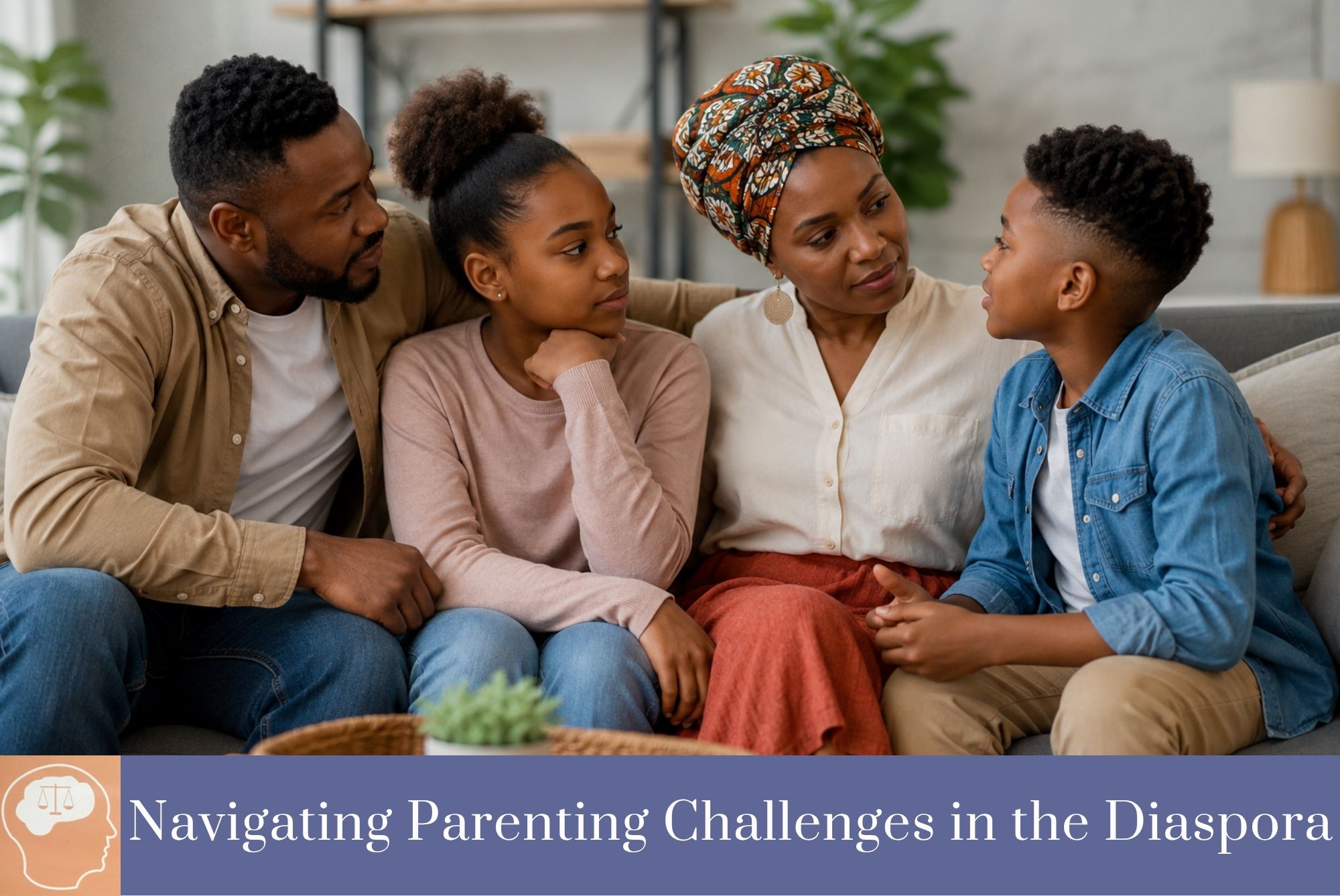
 Parenting is one of life’s most meaningful responsibilities, but raising children while living in the diaspora often introduces unique emotional, cultural, and social challenges. Families who have relocated from their country of origin or who are raising children within a different cultural environment frequently find themselves balancing traditions, expectations, identity, and adaptation. Children often learn to navigate multiple cultures simultaneously, while parents strive to preserve heritage and values without limiting their children’s ability to thrive in their new environment.
At The Potter’s Behavioral Medicine Clinic, we understand that parenting in the diaspora requires resilience, flexibility, and support. Mental health professionals can help parents strengthen family relationships, improve communication, address emotional concerns, and develop healthy strategies for raising confident, emotionally healthy children who appreciate both their cultural roots and the opportunities around them.
Understanding Parenting in the Diaspora
What Does “Diaspora” Mean?
The term diaspora refers to individuals and families living outside their ancestral homeland while maintaining cultural, ethnic, or national connections. Whether families immigrated voluntarily, relocated for employment or education, or were displaced by conflict or economic circumstances, diaspora communities often work to preserve traditions while adapting to life in a different society.
Children growing up in diaspora households frequently experience dual cultural influences. They may speak one language at home and another at school, celebrate multiple cultural traditions, or feel pressure to meet expectations from both their family’s heritage and their surrounding community.
While this multicultural upbringing offers tremendous strengths, it can also create emotional stress for both parents and children.
Common Parenting Challenges in Diaspora Families
Balancing Two Cultures
Many parents struggle with determining how much of their cultural heritage to preserve while allowing their children to integrate into the surrounding culture.
Questions often arise such as:
- Should children primarily speak their native language?
- How should cultural traditions be maintained?
- How much independence is appropriate?
- Which parenting practices best fit today’s environment?
Finding a healthy balance rather than choosing one culture over another often leads to stronger family relationships.
Generational Differences
Parents frequently maintain values shaped by their home country, while children develop perspectives influenced by their peers, schools, and media.
These differences may create disagreements regarding:
- Dating
- Friendships
- Clothing
- Academic expectations
- Career choices
- Religious practices
- Family responsibilities
- Social media
Without healthy communication, these differences can become ongoing family conflict.
Identity Development
Children in diaspora families may struggle with questions such as:
- “Where do I belong?”
- “Am I American enough?”
- “Am I connected enough to my family’s culture?”
- “Why am I different?”
Feeling caught between cultures can contribute to anxiety, low self-esteem, loneliness, or confusion about personal identity.
Parents can play an essential role by validating these experiences while encouraging cultural pride.
Language Barriers
Language differences can create unexpected family stress.
Parents who primarily speak one language may have difficulty helping children with school assignments or communicating with teachers.
Meanwhile, children who become fluent in English may gradually lose fluency in their family’s native language, creating communication challenges with grandparents and extended family members.
Maintaining bilingual communication whenever possible supports stronger family relationships and cognitive development.
Mental Health Challenges Parents May Experience
Parenting Without Extended Family
Many families in the diaspora live far from grandparents, siblings, and lifelong support networks.
Without nearby relatives, parents may experience:
- Increased stress
- Social isolation
- Caregiver burnout
- Difficulty finding childcare
- Emotional exhaustion
Building community support locally becomes increasingly important.
Financial Pressures
Many immigrant and diaspora families work long hours while establishing financial stability.
Parents often juggle:
- Multiple jobs
- Housing costs
- Educational expenses
- Immigration concerns
- Supporting relatives abroad
Financial stress can significantly affect emotional well-being and family dynamics.
Cultural Expectations
Some parents feel pressure from relatives or their community to maintain strict traditions or achieve certain milestones.
Examples include expectations surrounding:
- Academic excellence
- Professional careers
- Marriage
- Religious involvement
- Family obligations
When expectations become overwhelming, both parents and children may experience anxiety, guilt, or chronic stress.
Emotional Challenges Children May Face
Bullying and Discrimination
Children from multicultural backgrounds sometimes experience teasing or discrimination based on:
- Accent
- Skin color
- Clothing
- Religious practices
- Cultural traditions
- Food
- Language
These experiences can affect confidence, academic performance, and emotional health if not properly addressed.
Pressure to Fit In
Many children try to minimize differences between themselves and peers.
This pressure can lead them to:
- Hide cultural traditions
- Avoid speaking their native language
- Reject aspects of their heritage
- Feel embarrassed about family customs
Parents can help children understand that embracing multiple cultures is a strength rather than a weakness.
Academic Expectations
Many diaspora families place a high value on education.
While encouraging excellence is beneficial, unrealistic expectations can contribute to:
- Anxiety
- Depression
- Burnout
- Perfectionism
- Fear of failure
Healthy encouragement focuses on effort, resilience, and personal growth rather than perfection.
Building Strong Family Communication
Listen Before Correcting
Children are more likely to open up when they feel heard.
Practice active listening by:
- Giving full attention
- Asking open-ended questions
- Avoiding immediate criticism
- Validating emotions
- Remaining calm during disagreements
Strong communication builds trust over time.
Explain Cultural Values
Rather than simply saying “because that’s our culture,” parents can explain why traditions matter.
Sharing family history, personal experiences, and cultural stories helps children appreciate their heritage in meaningful ways.
Encourage Questions
Children naturally become curious about differences between home and society.
Creating a safe environment for questions encourages healthy discussions about:
- Identity
- Race
- Religion
- Culture
- Family expectations
Open conversations reduce confusion and strengthen family bonds.
Supporting Emotional Wellness
Normalize Mental Health Conversations
Some cultures discourage discussing emotional struggles.
Parents can help remove stigma by teaching children that:
- Mental health is part of overall health.
- Asking for help demonstrates strength.
- Emotions deserve attention.
- Therapy provides valuable tools for growth.
Open discussions encourage early intervention when concerns arise.
Teach Healthy Coping Skills
Children benefit from learning practical coping strategies including:
- Deep breathing
- Physical activity
- Journaling
- Prayer or meditation
- Time management
- Creative hobbies
- Talking with trusted adults
Healthy coping skills improve resilience throughout life.
Maintain Cultural Connections
Celebrating heritage helps children develop a positive sense of identity.
Families can maintain cultural connections by:
- Preparing traditional meals
- Celebrating holidays
- Speaking their native language
- Visiting relatives when possible
- Sharing music, literature, and history
- Participating in community cultural events
Strong cultural identity often supports emotional confidence.
When Professional Support Can Help
Family Therapy
Family therapy provides a supportive environment where parents and children can improve communication, resolve conflicts, and better understand one another’s perspectives.
Therapy is especially helpful during periods of transition or ongoing family stress.
Individual Counseling
Children, adolescents, and parents may each benefit from individual counseling when experiencing:
- Anxiety
- Depression
- Identity concerns
- Trauma
- Behavioral changes
- School difficulties
- Grief
- Chronic stress
Personalized therapy supports emotional wellness at every stage of life.
Psychiatric Evaluation
When symptoms significantly affect daily functioning, a psychiatric evaluation can determine whether additional treatment options, including medication management, may be appropriate as part of a comprehensive care plan.
Creating a Healthy Bicultural Family Environment
Successful parenting in the diaspora does not require choosing one culture over another.
Instead, families thrive by embracing both worlds.
Children who understand their heritage while feeling confident in their current community often develop:
- Greater resilience
- Stronger self-esteem
- Better emotional regulation
- Cultural appreciation
- Healthy relationships
- Confidence in their unique identity
Parents who remain flexible, supportive, and open to learning alongside their children create an environment where everyone can flourish.
How The Potter’s Behavioral Medicine Clinic Supports Families
At The Potter’s Behavioral Medicine Clinic, we recognize that every family’s journey is unique. Our compassionate behavioral health professionals provide culturally sensitive care that respects each family’s values, traditions, and experiences.
Whether you’re navigating parenting challenges, helping your child build confidence, managing family conflict, or seeking support for anxiety or depression, our experienced team is here to help. Through therapy, psychiatric services, medication management when appropriate, and virtual care options, we help families strengthen relationships and promote lifelong emotional wellness.
Frequently Asked Questions
How does living in the diaspora affect parenting?
Parents often balance preserving cultural traditions while helping children adapt to a different society. This balancing act can create challenges related to communication, identity, discipline, and family expectations.
Why do children in diaspora families sometimes struggle with identity?
Children may feel caught between two cultures, leading to confusion about where they belong or how they should identify themselves. Supportive parenting and open conversations help build a strong sense of identity.
When should parents seek counseling?
Parents should consider counseling if family conflict becomes persistent, children experience anxiety or depression, communication breaks down, behavioral changes occur, or parenting stress begins affecting daily life.
Can therapy help improve family communication?
Yes. Family therapy provides practical communication skills, conflict-resolution strategies, and tools for strengthening relationships while respecting cultural values.
Is parenting stress common among immigrant families?
Yes. Financial pressures, limited support systems, cultural adjustment, language barriers, and raising children between cultures commonly increase parenting stress.
How can parents help children embrace their cultural heritage?
Parents can celebrate traditions, share family history, speak their native language, participate in cultural events, and encourage children to appreciate both their heritage and their current community.
Can mental health treatment respect cultural values?
Absolutely. Culturally sensitive behavioral healthcare recognizes each family’s unique beliefs, traditions, and experiences while providing evidence-based treatment tailored to individual needs.
Does The Potter’s Behavioral Medicine Clinic offer virtual appointments?
Yes. Virtual visits are available through the Stockbridge and Decatur locations, making quality behavioral healthcare more accessible for many families.
Contact Information
The Potter’s Behavioral Medicine Clinic
Website: https://thepottersclinic.com
Villa Rica
Phone: (770) 459-8799
Address: 307 Old Stone Road
Villa Rica, GA 30180
Hiram
Phone: (770) 439-3070
Address: 5604 Wendy Bagwell Pkwy
Hiram, GA 30141
Stockbridge – Virtual Visits
Phone: (770) 459-8799
Address: 255 Corporate Centre Drive
Stockbridge, GA 30281
Decatur – Virtual Visits
Phone: (770) 459-8799
Address: 5322 Snapfinger Park Drive
Decatur, GA 30035