
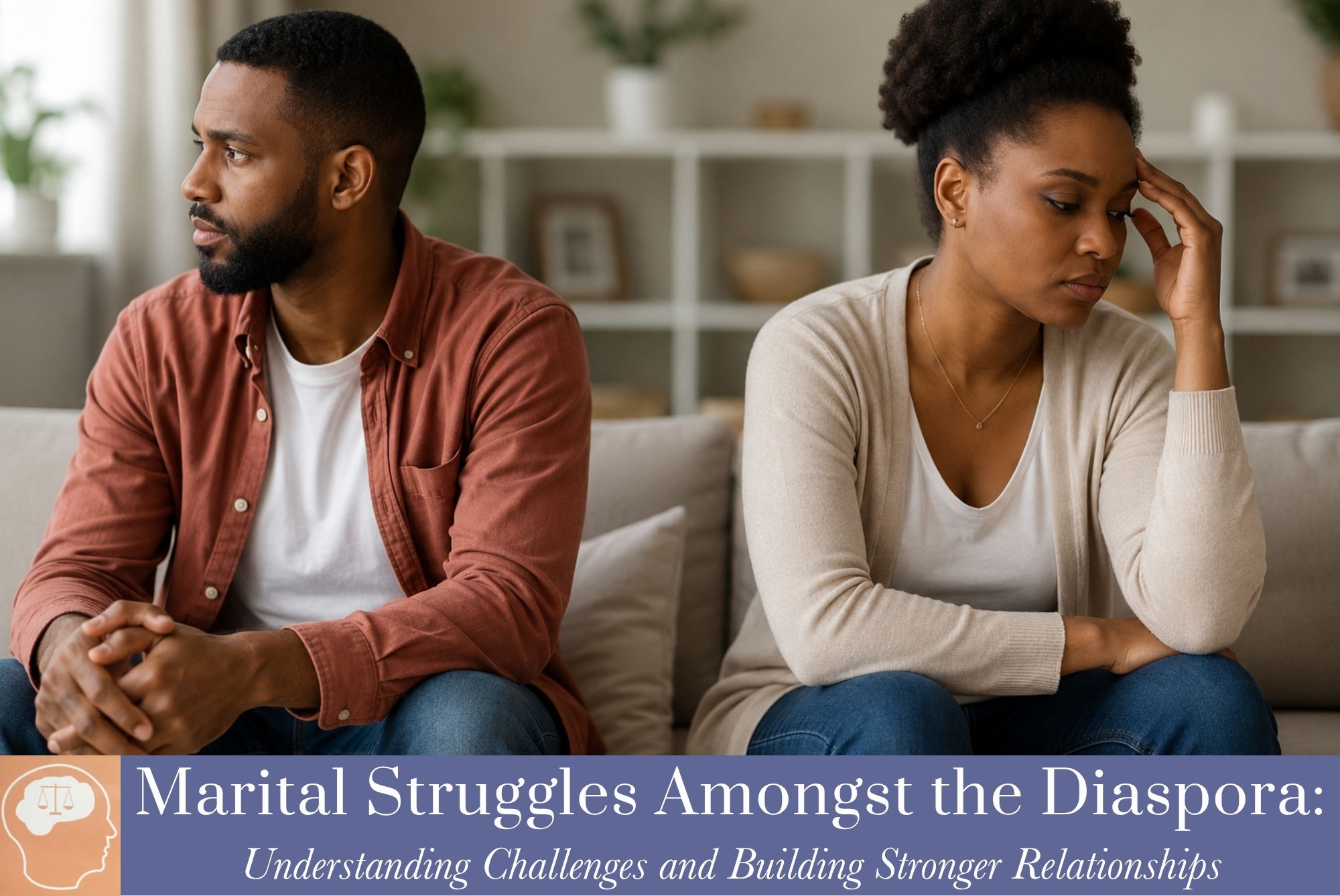
 Marriage is one of life’s most meaningful partnerships, but it can also be one of the most challenging. For individuals and families living within the diaspora, marital relationships often face additional pressures that extend beyond the typical demands of work, parenting, finances, and communication. Cultural expectations, immigration experiences, identity conflicts, extended family dynamics, racial stress, and generational differences can all influence the health of a marriage.
At The Potter’s Behavioral Medicine Clinic, we recognize that every relationship is shaped by unique personal, cultural, spiritual, and social experiences. Our compassionate mental health professionals provide culturally informed counseling and psychiatric services designed to help couples navigate marital challenges while honoring their values, traditions, and life experiences.
Whether couples are experiencing communication difficulties, emotional distance, trust issues, or the stress of balancing multiple cultural identities, professional support can provide practical tools for healing and strengthening relationships.
What Does “The Diaspora” Mean?
Understanding the Shared Experience
The term diaspora refers to communities of people who live outside their ancestral homeland while maintaining cultural, ethnic, religious, or familial connections to their origins. African, Caribbean, Asian, Middle Eastern, Hispanic, and other immigrant communities often share experiences that shape family dynamics in unique ways.
Living between two cultures frequently requires couples to balance:
- Traditional cultural values
- Expectations of family members
- Religious beliefs
- American social norms
- Career aspirations
- Parenting philosophies
- Financial responsibilities
- Community obligations
These overlapping influences can create unique stressors that affect marital satisfaction.
Common Marital Struggles Within Diaspora Communities
Navigating Multiple Cultural Expectations
Many couples find themselves balancing traditional family values with modern lifestyles. One spouse may prefer maintaining longstanding customs while the other embraces greater independence or different social expectations.
Differences may arise regarding:
- Gender roles
- Household responsibilities
- Parenting decisions
- Career priorities
- Financial management
- Social activities
- Religious involvement
Without open communication, these differences can become ongoing sources of conflict.
Immigration and Relocation Stress
Relocating to a new country often brings emotional and financial pressures that impact relationships.
Stressors may include:
- Employment challenges
- Financial instability
- Housing concerns
- Legal or immigration issues
- Separation from extended family
- Language barriers
- Loss of familiar support systems
These experiences can increase anxiety, depression, and marital tension if left unaddressed.
The Impact of Extended Family Expectations
Balancing Marriage and Family Obligations
Many diaspora cultures place significant value on caring for extended family members. While these relationships are important, couples sometimes struggle when outside expectations interfere with their marriage.
Examples include:
- Financial support for relatives
- Caring for aging parents
- Family members influencing decisions
- Expectations surrounding holidays and traditions
- Parenting advice from relatives
- Pressure regarding childbearing
Healthy marriages often require couples to establish respectful boundaries while maintaining meaningful family relationships.
Identity Differences Within Marriage
When Partners Adapt Differently
Not every individual adapts to a new culture at the same pace.
One spouse may:
- Become highly integrated into American culture
- Prioritize career advancement
- Develop new friendships
- Adopt different parenting styles
Meanwhile, the other spouse may strongly identify with traditional cultural practices.
These differing experiences do not indicate incompatibility, but they do require empathy, communication, and mutual understanding.
Communication Challenges
Why Communication Breaks Down
Every marriage depends upon healthy communication. Within diaspora relationships, communication may become complicated by cultural norms regarding emotional expression.
Some individuals were raised believing they should:
- Avoid discussing emotions
- Respect authority without questioning
- Keep family problems private
- Suppress conflict
- Prioritize family harmony over personal needs
Although these values often come from love and respect, they can make difficult conversations more challenging.
Professional counseling helps couples learn healthier ways to communicate while respecting their cultural backgrounds.
Financial Stress and Marital Conflict
Money Affects Every Relationship
Financial concerns remain one of the leading causes of marital disagreements.
Couples may experience conflict regarding:
- Supporting relatives overseas
- Sending remittances
- Saving versus spending
- Career sacrifices
- Educational expenses
- Home ownership
- Retirement planning
When financial priorities differ, resentment can develop unless couples openly discuss expectations and long-term goals.
Parenting Differences
Raising Children Across Cultures
Parents within diaspora communities often want their children to appreciate both their cultural heritage and their new environment.
Disagreements sometimes develop over:
- Discipline methods
- Language spoken at home
- Cultural traditions
- Religious education
- Academic expectations
- Independence during adolescence
- Dating expectations
Family counseling can help parents develop consistent approaches that support both healthy child development and cultural identity.
Mental Health and Marital Satisfaction
Emotional Wellness Strengthens Relationships
Mental health significantly influences relationship quality.
Conditions such as:
- Depression
- Anxiety
- Trauma
- Chronic stress
- Grief
- Burnout
- Substance misuse
can affect communication, intimacy, patience, and emotional connection.
Seeking mental health treatment is not a sign of weakness. It is an investment in both individual wellness and the health of the relationship.
The Role of Trauma
Past Experiences Can Affect Present Relationships
Many individuals within diaspora communities carry experiences that continue to influence their marriages.
Trauma may involve:
- Political instability
- War
- Refugee experiences
- Childhood adversity
- Discrimination
- Racism
- Family separation
- Loss of loved ones
Unresolved trauma can affect trust, emotional regulation, and conflict resolution. Trauma-informed therapy provides a safe environment to process these experiences.
Intimacy and Emotional Connection
Rebuilding Closeness
As responsibilities increase, many couples notice changes in emotional and physical intimacy.
Common contributing factors include:
- Long work hours
- Parenting demands
- Financial stress
- Mental health symptoms
- Unresolved conflict
- Physical health concerns
Rebuilding intimacy begins with improving communication, increasing emotional safety, and intentionally reconnecting.
The Importance of Culturally Competent Counseling
Why Cultural Understanding Matters
Effective therapy recognizes the importance of culture rather than ignoring it.
Culturally informed counseling considers:
- Family traditions
- Religious beliefs
- Cultural identity
- Immigration experiences
- Community expectations
- Language preferences
- Intergenerational relationships
At The Potter’s Behavioral Medicine Clinic, our providers understand that culturally responsive care helps individuals and couples feel respected, understood, and empowered throughout treatment.
When Should Couples Seek Professional Help?
Early Support Leads to Better Outcomes
Many couples wait until their relationship feels overwhelmed before seeking counseling.
Professional support can be beneficial when couples experience:
- Frequent arguments
- Communication breakdowns
- Emotional distance
- Trust concerns
- Parenting disagreements
- Financial conflict
- Anxiety or depression affecting the relationship
- Difficulty adjusting to life transitions
- Cultural or family-related stress
Seeking help early often prevents small concerns from becoming larger problems.
How Therapy Helps Couples
Practical Skills That Strengthen Relationships
Marriage counseling provides evidence-based tools that help couples:
- Improve communication
- Resolve conflict respectfully
- Develop healthier boundaries
- Increase emotional intimacy
- Strengthen trust
- Better understand each other’s perspectives
- Manage stress together
- Create shared relationship goals
Couples learn skills that continue benefiting their relationship long after therapy concludes.
Supporting Healthy Marriages Across Generations
Healthy marriages positively influence children, extended families, and entire communities. When couples prioritize emotional wellness, communication, and mutual respect, they create stable environments that foster resilience across generations.
For diaspora families, maintaining cultural heritage while adapting to new experiences can become a source of strength rather than conflict. Professional counseling offers guidance that helps couples honor their traditions while building healthy, fulfilling relationships together.
Frequently Asked Questions
What marital challenges are common among diaspora families?
Many couples experience stress related to cultural expectations, immigration, finances, parenting, extended family involvement, identity differences, and balancing traditions with life in a new country.
Does seeking marriage counseling mean our relationship is failing?
No. Marriage counseling is a proactive way to strengthen communication, resolve conflicts, and develop healthier relationship skills before problems become more serious.
Can therapy respect our cultural and religious beliefs?
Yes. Culturally competent therapists work collaboratively with couples while respecting their cultural values, faith traditions, and family structures.
Can individual mental health affect a marriage?
Absolutely. Anxiety, depression, trauma, stress, and other mental health conditions can influence communication, emotional connection, and relationship satisfaction. Treating individual concerns often improves the relationship as well.
Is virtual counseling available?
Yes. The Potter’s Behavioral Medicine Clinic offers virtual visits for patients through its Stockbridge and Decatur locations, making care more accessible for many individuals and families.
Can counseling help with communication problems?
Yes. Couples therapy teaches practical communication skills that improve listening, reduce misunderstandings, and promote respectful conflict resolution.
How long does marriage counseling usually last?
The duration varies depending on each couple’s goals and circumstances. Some couples benefit from short-term therapy, while others choose ongoing support for more complex concerns.
Should we wait until problems become severe before seeking help?
No. Early intervention often leads to better outcomes and helps couples address challenges before they become deeply entrenched.
Contact Information
The Potter’s Behavioral Medicine Clinic
Villa Rica
Phone: (770) 459-8799
Address: 307 Old Stone Road, Villa Rica, GA 30180
Hiram
Phone: (770) 439-3070
Address: 5604 Wendy Bagwell Pkwy, Hiram, GA 30141
Stockbridge – Virtual Visits
Phone: (770) 459-8799
Address: 255 Corporate Centre Drive, Stockbridge, GA 30281
Decatur – Virtual Visits
Phone: (770) 459-8799
Address: 5322 Snapfinger Park Drive, Decatur, GA 30035
Website: https://thepottersclinic.com