
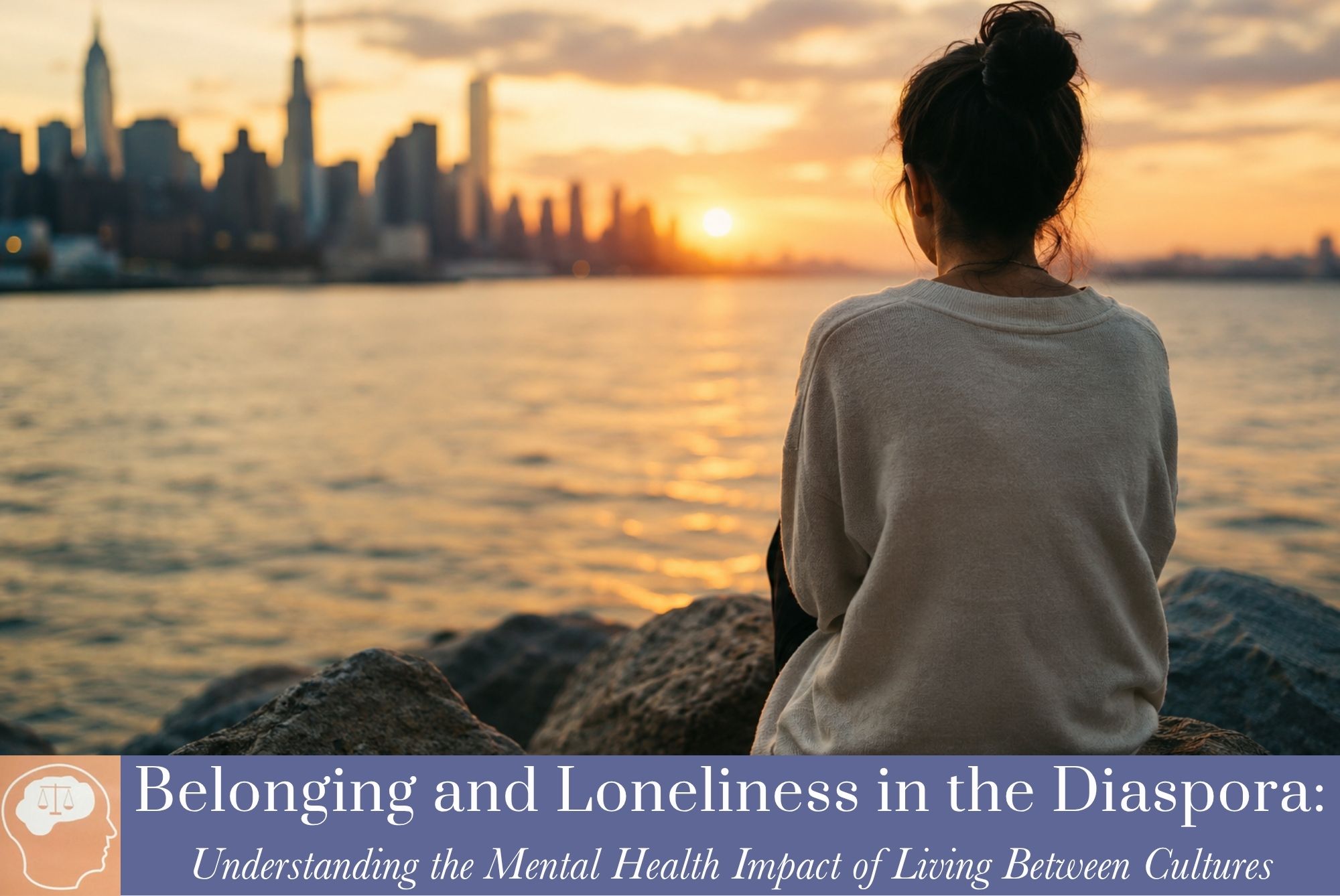
 For millions of people around the world, migration represents hope, opportunity, education, safety, or a better future for their families. Yet, alongside these positive changes, many individuals experience an emotional challenge that often goes unspoken: loneliness and the struggle to feel a sense of belonging. Whether someone has relocated across the globe, moved to a new state, or grown up balancing multiple cultural identities, living in the diaspora can significantly influence emotional well-being.
At The Potter’s Behavioral Medicine Clinic, we understand that mental health is shaped by culture, relationships, community, and life experiences. Feelings of isolation, cultural displacement, homesickness, and identity conflict are common among people living away from their country or community of origin. These experiences are real, valid, and deserving of compassionate, evidence-based mental health care.
What Does “The Diaspora” Mean?
Understanding the Concept
The diaspora refers to individuals or communities who live outside their ancestral homeland while maintaining cultural, emotional, or familial connections to it. Diaspora communities exist across every continent and include immigrants, refugees, expatriates, international students, military families, and second- or third-generation descendants who continue to identify with their cultural heritage.
Living within a diaspora often creates opportunities for cultural enrichment, but it can also introduce unique psychological stressors that affect emotional health.
Why Belonging Matters for Mental Health
The Human Need for Connection
Psychological research consistently demonstrates that belonging is one of humanity’s fundamental needs. Feeling accepted, valued, and connected supports emotional resilience, lowers stress, and promotes both physical and mental health.
When individuals feel disconnected from family, friends, traditions, or their surrounding community, they may experience:
- Persistent loneliness
- Anxiety
- Depression
- Reduced self-esteem
- Emotional exhaustion
- Increased stress
- Difficulty trusting others
- Social withdrawal
Belonging is more than having people nearby—it is feeling understood, accepted, and emotionally safe.
Why Loneliness Can Be Common in the Diaspora
Separation From Family and Support Systems
Moving away from one’s home country often means leaving behind lifelong friendships, extended family, familiar neighborhoods, and cultural traditions. Even with modern technology, virtual communication cannot fully replace face-to-face relationships.
Many individuals experience grief over missed milestones, family celebrations, and daily interactions that once provided emotional comfort.
Cultural Adjustment
Adapting to a new culture requires significant emotional energy. Learning new customs, communication styles, workplace expectations, and social norms can be overwhelming.
Some people feel as though they are constantly navigating two different worlds—trying to preserve their cultural identity while adapting to their new environment.
Language Barriers
Even individuals who speak English fluently may struggle with accents, idioms, cultural references, or feeling fully understood. Communication challenges can make building friendships more difficult and contribute to feelings of isolation.
Identity Conflict
Children and adults living within the diaspora may struggle with questions such as:
- Where do I truly belong?
- Am I enough for either culture?
- Why do I feel different everywhere I go?
- How can I honor my heritage while embracing my current life?
Identity development can become particularly challenging during adolescence and young adulthood.
The Emotional Effects of Chronic Loneliness
Mental Health Consequences
Long-term loneliness affects more than emotions. Research has linked chronic social isolation with increased risks of:
- Major depressive disorder
- Generalized anxiety disorder
- Sleep disturbances
- Chronic stress
- High blood pressure
- Reduced immune function
- Cognitive decline in older adults
- Substance misuse
The emotional burden of loneliness should never be dismissed as simply “being homesick.” Persistent isolation can significantly affect overall health and quality of life.
Cultural Stigma Around Mental Health
Why Many People Delay Seeking Help
Many cultures within the diaspora place tremendous importance on resilience, family reputation, privacy, or self-sacrifice. As a result, mental health symptoms may go untreated because individuals believe they should simply work harder or stay strong.
Common beliefs may include:
- “We don’t talk about personal problems.”
- “Mental illness means weakness.”
- “Family should solve everything.”
- “Prayer alone should fix emotional pain.”
While faith, family, and community provide tremendous strength, professional mental health care can complement these supports by offering evidence-based treatment and compassionate guidance.
Building Belonging in a New Community
Practical Strategies for Creating Connection
Developing a sense of belonging takes time, but meaningful relationships can be built intentionally.
Helpful approaches include:
- Joining cultural organizations
- Participating in local volunteer opportunities
- Attending community events
- Connecting with faith communities
- Joining hobby or interest groups
- Seeking mentorship
- Maintaining healthy communication with family abroad
- Participating in support groups
- Working with a mental health professional
Even small, consistent social interactions help strengthen emotional resilience over time.
Supporting Children Growing Up in the Diaspora
Helping Young People Develop Healthy Identity
Children who grow up balancing multiple cultures often experience unique emotional challenges. Parents can support healthy identity development by:
- Celebrating cultural traditions
- Teaching family history
- Encouraging bilingual communication when possible
- Creating open conversations about discrimination and belonging
- Supporting friendships across cultures
- Validating children’s emotional experiences
Children who feel secure in both their cultural identity and personal identity often demonstrate greater confidence and resilience.
When Loneliness Becomes Depression
Recognizing Warning Signs
Occasional loneliness is a normal part of life. However, professional evaluation is recommended if symptoms persist for several weeks or begin interfering with daily functioning.
Warning signs include:
- Persistent sadness
- Loss of interest in favorite activities
- Sleep problems
- Changes in appetite
- Fatigue
- Difficulty concentrating
- Feelings of worthlessness
- Frequent crying
- Social withdrawal
- Thoughts of self-harm or hopelessness
Early intervention often leads to better long-term outcomes.
How Behavioral Medicine Can Help
Comprehensive Mental Health Care
Behavioral medicine recognizes the close relationship between emotional health, physical health, relationships, and daily functioning. Treatment is individualized based on each person’s experiences, cultural background, and goals.
Depending on individual needs, care may include:
- Comprehensive psychiatric evaluations
- Medication management when appropriate
- Individual therapy
- Family support
- Anxiety treatment
- Depression treatment
- Trauma-informed care
- Stress management
- Lifestyle recommendations
- Ongoing follow-up and care coordination
Receiving professional support can help individuals regain confidence, strengthen relationships, and build a greater sense of belonging.
Creating a Life Where You Belong
Healing Is Possible
Belonging is not limited to one geographic location. It grows through meaningful relationships, supportive communities, self-acceptance, and emotional healing.
If you have been struggling with loneliness, cultural adjustment, identity challenges, or emotional distress while living in the diaspora, you are not alone. Seeking help is a sign of strength and an investment in your long-term well-being.
At The Potter’s Behavioral Medicine Clinic, our compassionate team is committed to helping individuals and families navigate life’s transitions while providing personalized, evidence-based mental health care that respects each person’s unique cultural experiences.
Frequently Asked Questions
Can loneliness affect physical health?
Yes. Chronic loneliness has been associated with increased stress hormones, sleep problems, cardiovascular disease, weakened immune function, and other long-term health concerns.
Is it normal to feel lonely even after living in a new country for years?
Absolutely. Loneliness can persist long after relocation, especially if individuals continue to experience cultural differences, family separation, or limited social support.
How is loneliness different from depression?
Loneliness is the feeling of lacking meaningful social connection, while depression is a clinical mental health condition that affects mood, thinking, behavior, and physical functioning. The two often overlap but are not the same.
Why do people in diaspora communities sometimes struggle with identity?
Balancing multiple cultures, languages, traditions, and expectations can create internal conflict about where someone belongs or how they define themselves.
Can therapy help with cultural adjustment?
Yes. Mental health professionals can provide coping strategies, emotional support, stress management techniques, and culturally sensitive care to help individuals adjust successfully.
What are healthy ways to build belonging?
Building friendships, participating in community organizations, volunteering, joining faith communities, maintaining cultural traditions, and seeking professional support all help strengthen belonging.
Should parents discuss cultural identity with their children?
Yes. Open conversations about family heritage, cultural pride, identity, and discrimination help children develop confidence and emotional resilience.
When should I seek professional help for loneliness?
If loneliness lasts for several weeks, interferes with work, school, relationships, or daily life, or contributes to depression or anxiety, a mental health evaluation is recommended.
Contact Information
The Potter’s Behavioral Medicine Clinic
Website: https://thepottersclinic.com
Villa Rica
Phone: (770) 459-8799
Address: 307 Old Stone Road, Villa Rica, GA 30180
Hiram
Phone: (770) 439-3070
Address: 5604 Wendy Bagwell Pkwy, Hiram, GA 30141
Stockbridge – Virtual Visits
Phone: (770) 459-8799
Address: 255 Corporate Centre Drive, Stockbridge, GA 30281
Decatur – Virtual Visits
Phone: (770) 459-8799
Address: 5322 Snapfinger Park Drive, Decatur, GA 30035