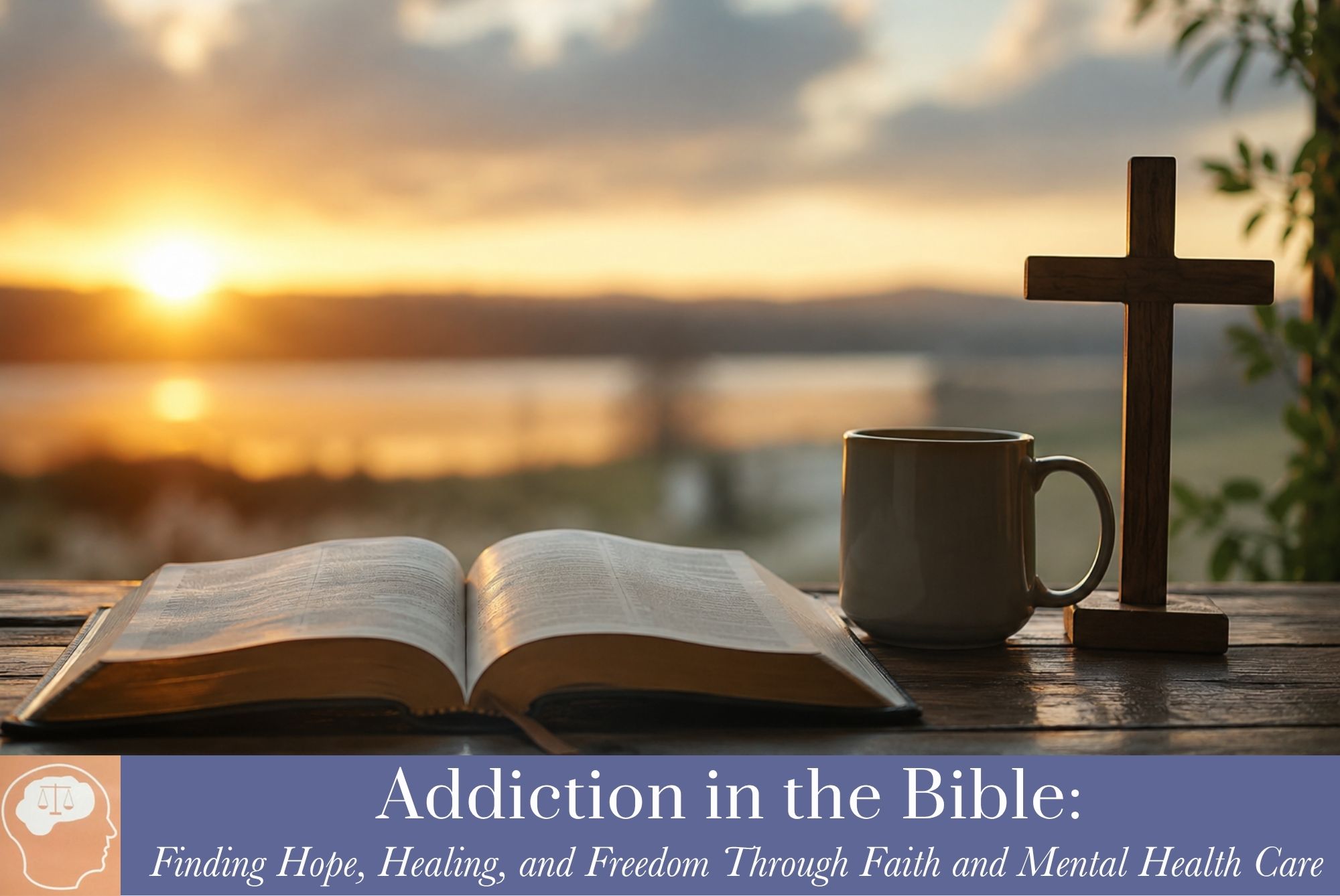
Addiction is a complex medical and psychological condition that affects millions of people worldwide. While the Bible does not specifically mention modern substance use disorders or behavioral addictions by today’s clinical definitions, it provides profound wisdom about temptation, self-control, redemption, healing, and restoration. Many individuals struggling with addiction find comfort in Scripture while also benefiting from evidence-based mental health treatment.
At The Potter’s Behavioral Medicine Clinic, we recognize that addiction impacts every area of life—including emotional well-being, relationships, physical health, and spiritual wellness. Recovery often requires a comprehensive approach that integrates psychiatric care, therapy, medication management when appropriate, healthy coping skills, community support, and, for many people, spiritual encouragement.
Understanding addiction through both biblical principles and modern behavioral medicine allows individuals and families to pursue lasting recovery with hope and confidence.
What Does the Bible Say About Addiction?
The Bible Warns Against Becoming Controlled by Anything
Although the Bible does not use the modern clinical term “addiction,” it repeatedly teaches against allowing anything other than God to control our lives.
One of the clearest biblical principles comes from 1 Corinthians 6:12:
“I have the right to do anything… but I will not be mastered by anything.”
This passage speaks directly to the nature of addiction. Addiction gradually shifts from voluntary behavior to compulsive behavior, where substances or behaviors begin to dominate thoughts, emotions, and decisions.
Modern neuroscience confirms this concept. Repeated exposure to addictive substances or behaviors changes brain reward pathways, making self-control increasingly difficult without treatment and support.
Addiction Is Not Simply a Lack of Willpower
Understanding the Medical Reality
For generations, addiction was often viewed as a moral failure or personal weakness. Today, decades of scientific research demonstrate that addiction is a chronic brain disease involving complex interactions between genetics, environment, trauma, mental health, and neurobiology.
People experiencing addiction often struggle with:
- Changes in brain chemistry
- Impaired decision-making
- Intense cravings
- Emotional dysregulation
- Depression
- Anxiety
- Trauma
- Sleep disturbances
- Relationship difficulties
The Bible acknowledges human weakness while also emphasizing compassion, grace, and restoration rather than condemnation.
This perspective aligns well with modern behavioral medicine, which seeks healing rather than blame.
Biblical Examples of Destructive Behaviors
Noah and Alcohol
After the flood, Noah became intoxicated from wine (Genesis 9:20-21). Although this account does not describe alcoholism in today’s clinical sense, it illustrates how excessive alcohol use can lead to poor judgment and family conflict.
Samson’s Impulsivity
Samson repeatedly gave in to impulsive behaviors despite understanding the consequences. His story demonstrates how repeated poor choices can gradually lead to destructive outcomes.
The Prodigal Son
The Parable of the Prodigal Son illustrates reckless living, poor decision-making, and eventual restoration through forgiveness and compassion. It reminds individuals that no one is beyond redemption.
King Solomon
Solomon warned repeatedly about intoxication, temptation, and destructive desires. Proverbs contains numerous passages encouraging wisdom, discipline, and healthy decision-making.
Addiction and Mental Health Often Occur Together
Co-Occurring Disorders
Many individuals with addiction also experience other psychiatric conditions.
Common co-occurring disorders include:
- Depression
- Anxiety disorders
- PTSD
- Bipolar disorder
- ADHD
- Personality disorders
- Chronic stress
Sometimes mental illness develops before addiction. In other cases, addiction contributes to worsening psychiatric symptoms.
Comprehensive treatment addresses both conditions simultaneously rather than treating only one.
Trauma and Addiction
Healing the Underlying Pain
Many addictions begin as attempts to cope with emotional pain rather than a desire to become dependent.
Trauma may include:
- Childhood abuse
- Neglect
- Domestic violence
- Military trauma
- Grief
- Loss
- Emotional abandonment
- Medical trauma
The Bible frequently acknowledges suffering and emotional wounds.
Psalm 147:3 states:
“He heals the brokenhearted and binds up their wounds.”
Modern psychotherapy provides practical methods for healing these emotional injuries alongside spiritual growth.
Addiction Changes the Brain
The Science Behind Dependence
Repeated exposure to alcohol, opioids, stimulants, nicotine, or certain behaviors changes brain circuits responsible for:
- Reward
- Motivation
- Memory
- Judgment
- Stress response
- Self-control
These neurological changes explain why individuals often continue using substances despite severe consequences.
Recovery involves allowing the brain to heal while developing healthier coping strategies through therapy, medication when appropriate, and supportive relationships.
Faith Can Be a Powerful Recovery Resource
Spiritual Strength During Recovery
Research suggests that many people benefit from incorporating spirituality into addiction recovery.
Faith can provide:
- Hope
- Meaning
- Purpose
- Community support
- Accountability
- Forgiveness
- Reduced shame
- Increased resilience
For individuals who value their faith, Scripture, prayer, worship, and supportive faith communities can complement professional mental health treatment.
Professional Treatment Remains Essential
Faith and Medicine Work Together
Seeking treatment does not demonstrate weak faith.
Just as Christians seek medical treatment for diabetes, heart disease, or cancer, addiction often requires professional psychiatric and psychological care.
Treatment may include:
- Psychiatric evaluations
- Medication management
- Individual therapy
- Family counseling
- Cognitive Behavioral Therapy (CBT)
- Trauma-focused therapy
- Relapse prevention planning
- Support groups
- Lifestyle counseling
Combining faith with evidence-based medicine often creates a stronger foundation for long-term recovery.
Breaking the Cycle of Shame
Grace Supports Healing
Many people living with addiction carry overwhelming shame.
Shame often says:
- “I’m broken.”
- “I’m beyond help.”
- “God can’t forgive me.”
- “I’ll never change.”
The Bible consistently teaches redemption rather than hopelessness.
Romans 8:1 reminds believers:
“There is therefore now no condemnation for those who are in Christ Jesus.”
Behavioral medicine similarly recognizes that recovery begins with understanding, compassion, accountability, and evidence-based treatment—not shame.
Supporting a Loved One With Addiction
Helping Without Enabling
Watching someone struggle with addiction can be emotionally exhausting.
Healthy support includes:
- Encouraging professional treatment
- Setting healthy boundaries
- Learning about addiction
- Practicing patience
- Participating in family therapy
- Avoiding enabling behaviors
- Caring for your own mental health
Families often benefit from counseling to improve communication and develop healthier coping strategies.
Long-Term Recovery Is Possible
Recovery Is a Lifelong Journey
Recovery rarely happens overnight.
Many individuals experience setbacks before achieving lasting sobriety, but relapse does not mean failure. Instead, it often signals the need to adjust treatment, strengthen support systems, or address unresolved underlying issues.
With comprehensive care, individuals can rebuild relationships, improve mental health, restore physical wellness, strengthen their faith, and regain a meaningful life.
When to Seek Professional Help
Signs That Addiction Treatment May Be Needed
Consider seeking a professional evaluation if you or someone you love experiences:
- Inability to stop using alcohol or drugs
- Increased tolerance
- Withdrawal symptoms
- Cravings
- Relationship problems
- Declining work or school performance
- Legal or financial problems
- Depression or anxiety related to substance use
- Using substances to cope with emotions
- Continued use despite harmful consequences
Early intervention often improves recovery outcomes.
Recovery Requires Hope, Compassion, and Comprehensive Care
Addiction is not simply a spiritual issue, nor is it solely a medical condition. It affects the whole person—mind, body, emotions, relationships, and, for many individuals, faith.
The Bible offers enduring messages of hope, forgiveness, perseverance, and restoration, while modern behavioral medicine provides evidence-based treatments that help individuals regain stability and improve long-term outcomes. When these approaches are thoughtfully integrated according to an individual’s beliefs and needs, many people find renewed strength and lasting recovery.
At The Potter’s Behavioral Medicine Clinic, our compassionate team is committed to helping individuals and families navigate addiction and co-occurring mental health conditions through personalized, evidence-based care. Whether you are seeking help for yourself or supporting a loved one, recovery is possible with the right treatment and support.
Frequently Asked Questions
Does the Bible specifically mention addiction?
The Bible does not use the modern medical term “addiction,” but it frequently discusses self-control, avoiding drunkenness, resisting temptation, and not allowing anything to master one’s life.
Is addiction considered a mental illness?
Substance use disorders are recognized medical conditions that affect brain function, behavior, and emotional health. They often occur alongside other mental health conditions such as depression, anxiety, PTSD, or bipolar disorder.
Can faith help people recover from addiction?
For many individuals, faith provides hope, resilience, purpose, and community support. Spiritual practices can complement—but not replace—professional mental health and addiction treatment.
Why do trauma and addiction often occur together?
Many people use substances or compulsive behaviors to cope with unresolved emotional pain, making trauma-informed treatment an important part of recovery.
Can addiction permanently change the brain?
Addiction alters brain circuits involved in reward, motivation, and decision-making. While these changes can be significant, many brain functions improve over time with sustained recovery and appropriate treatment.
Is relapse a sign that treatment failed?
No. Relapse can occur during recovery and often indicates that additional support or treatment adjustments are needed rather than failure.
What types of treatment are available for addiction?
Treatment may include psychiatric care, medication management, psychotherapy, cognitive behavioral therapy, trauma therapy, family counseling, support groups, and relapse prevention planning.
When should someone seek professional help?
Professional help is recommended when substance use or compulsive behaviors interfere with work, relationships, health, daily responsibilities, or emotional well-being, or when stopping independently becomes difficult.
Contact Information
The Potter’s Behavioral Medicine Clinic
Website: https://thepottersclinic.com
Villa Rica
Phone: (770) 459-8799
Address: 307 Old Stone Road, Villa Rica, GA 30180
Hiram
Phone: (770) 439-3070
Address: 5604 Wendy Bagwell Pkwy, Hiram, GA 30141
Stockbridge – Virtual Visits
Phone: (770) 459-8799
Address: 255 Corporate Centre Drive, Stockbridge, GA 30281
Decatur – Virtual Visits
Phone: (770) 459-8799
Address: 5322 Snapfinger Park Drive, Decatur, GA 30035