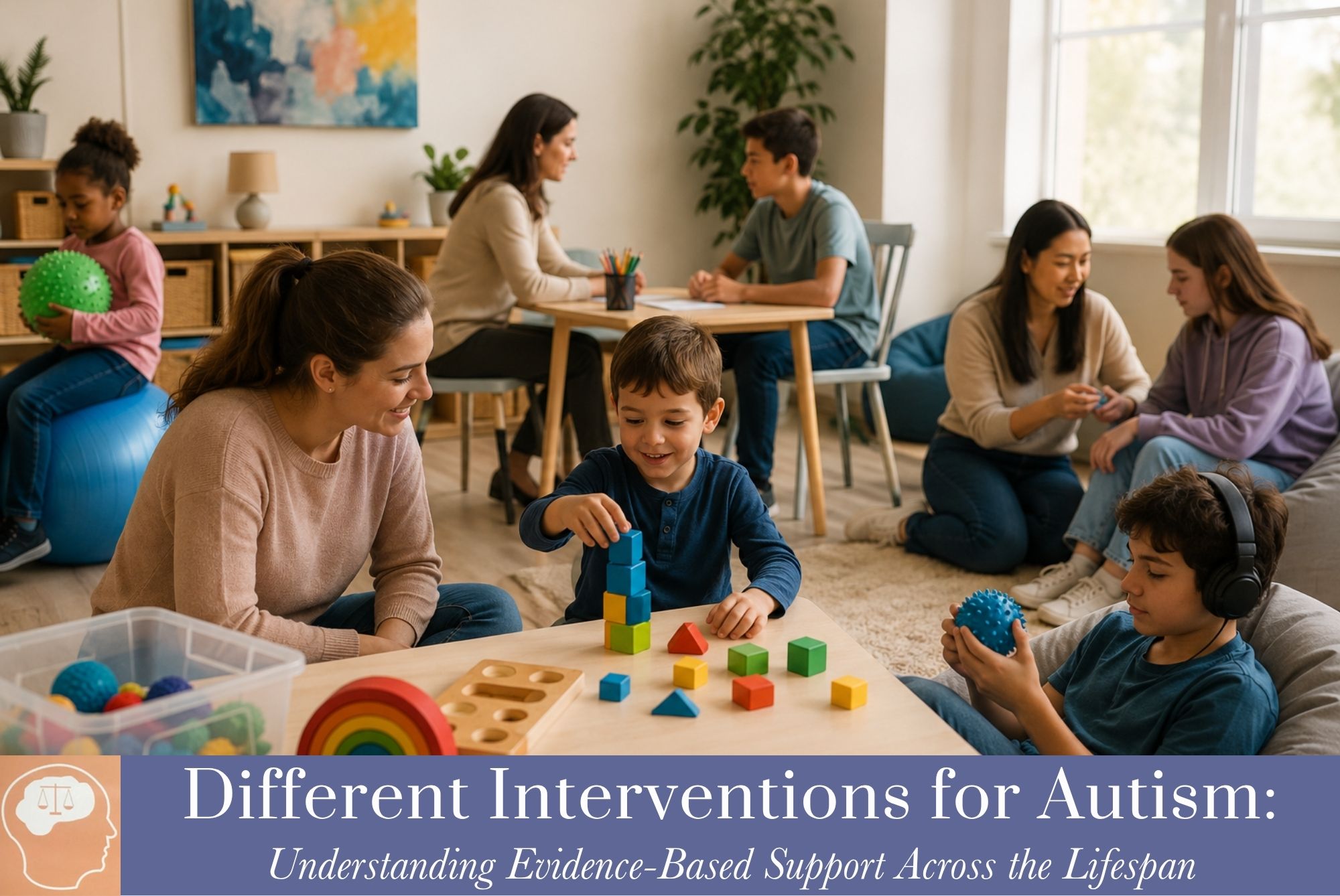
Autism Spectrum Disorder (ASD) is a neurodevelopmental condition that affects communication, social interaction, sensory processing, and behavior. Every individual with autism has unique strengths, challenges, interests, and goals, making personalized care essential. While there is no single intervention that works for everyone, a wide range of evidence-based therapies and supports can help individuals develop skills, improve daily functioning, and enhance their quality of life.
At The Potter’s Behavioral Medicine Clinic, comprehensive, individualized care focuses on helping children, adolescents, and adults with autism receive interventions that align with their developmental needs, personal goals, and family priorities. Understanding the available options empowers families to make informed decisions and build a supportive treatment plan.
Understanding Autism as a Spectrum
Every Individual Is Different
Autism is called a spectrum because symptoms and abilities vary significantly from one person to another. Some individuals require substantial daily support, while others live independently, attend college, maintain careers, and raise families.
Autism commonly affects:
- Social communication
- Nonverbal communication
- Sensory processing
- Emotional regulation
- Executive functioning
- Flexible thinking
- Behavioral responses
- Daily living skills
Many individuals also have co-occurring conditions such as ADHD, anxiety disorders, depression, obsessive-compulsive disorder (OCD), sleep disorders, epilepsy, or intellectual disabilities. Addressing these conditions alongside autism often improves overall functioning.
Why Early Intervention Matters
Building Skills During Critical Development
Research consistently demonstrates that early identification and intervention can improve communication, adaptive skills, learning, and social development. Although autism can be diagnosed as early as 18 to 24 months, meaningful intervention benefits individuals at every age.
Early intervention focuses on helping children:
- Develop communication abilities
- Improve social engagement
- Learn self-care skills
- Increase emotional regulation
- Reduce frustration associated with communication challenges
- Support learning readiness
However, adolescents and adults also benefit greatly from individualized interventions designed around changing developmental needs.
Behavioral Interventions
Applied Behavior Analysis (ABA)
Applied Behavior Analysis (ABA) is one of the most extensively researched interventions for autism. ABA uses principles of learning and behavior to teach new skills while reducing behaviors that interfere with daily functioning.
Depending on individual goals, ABA may help improve:
- Communication
- Daily living skills
- Social interaction
- Academic readiness
- Emotional regulation
- Adaptive behaviors
- Independence
Modern ABA programs are individualized and often emphasize positive reinforcement, skill development, and functional communication rather than simply reducing behaviors.
Naturalistic Developmental Behavioral Interventions
Naturalistic Developmental Behavioral Interventions (NDBIs) combine developmental science with behavioral principles. These therapies occur during everyday play and routines, allowing children to learn naturally through meaningful interactions.
Examples include:
- Early Start Denver Model (ESDM)
- Pivotal Response Treatment (PRT)
- Joint Attention Symbolic Play Engagement and Regulation (JASPER)
These interventions often encourage motivation, shared attention, language development, and social engagement.
Speech and Language Therapy
Improving Functional Communication
Speech-language therapy benefits many autistic individuals, including those who speak fluently and those who are minimally verbal.
Speech therapy may focus on:
- Expressive language
- Receptive language
- Conversation skills
- Social communication
- Pragmatic language
- Nonverbal communication
- Articulation
- Voice quality
For individuals with limited verbal communication, speech-language pathologists may introduce augmentative and alternative communication (AAC) systems such as communication devices, picture exchange systems, or tablet-based applications.
Occupational Therapy
Supporting Everyday Independence
Occupational therapy helps individuals participate more successfully in everyday activities.
Occupational therapists commonly address:
- Fine motor skills
- Handwriting
- Self-care routines
- Dressing
- Feeding
- Personal hygiene
- Sensory processing
- Organization
- Executive functioning
Occupational therapy also teaches strategies that make school, work, and home environments more manageable.
Sensory Integration Support
Addressing Sensory Processing Differences
Many autistic individuals experience sensory sensitivities or sensory-seeking behaviors involving:
- Loud sounds
- Bright lights
- Certain textures
- Food textures
- Clothing
- Smells
- Movement
- Crowded environments
Sensory-informed interventions help individuals better regulate responses while developing coping strategies that improve comfort and participation in daily life.
Rather than eliminating sensory differences, therapy aims to help individuals understand their sensory needs and develop effective accommodations.
Social Skills Training
Building Meaningful Relationships
Social skills interventions help individuals understand social expectations while developing authentic communication skills.
Areas commonly addressed include:
- Starting conversations
- Reading social cues
- Maintaining friendships
- Perspective taking
- Conflict resolution
- Emotional recognition
- Group participation
Social skills training often occurs in group settings where individuals can safely practice new skills with peers.
Cognitive Behavioral Therapy (CBT)
Managing Anxiety and Emotional Challenges
Many autistic adolescents and adults experience anxiety, depression, or obsessive thinking. Cognitive Behavioral Therapy (CBT) has been adapted successfully for many autistic individuals, particularly those with average or above-average cognitive abilities.
CBT can help with:
- Anxiety disorders
- Depression
- Emotional regulation
- Negative thought patterns
- Stress management
- School-related anxiety
- Workplace challenges
Therapists often modify CBT techniques to match an individual’s communication style, learning preferences, and sensory needs.
Parent and Family Training
Empowering Families
Families play an essential role in supporting autistic individuals. Parent training programs teach caregivers practical strategies that reinforce therapeutic skills at home.
Family education may include:
- Communication strategies
- Behavior support
- Daily routines
- Emotional regulation techniques
- Positive reinforcement
- School collaboration
- Advocacy skills
When caregivers receive appropriate education and support, children often experience greater consistency across environments.
Educational Interventions
Supporting Academic Success
Students with autism often benefit from educational accommodations and individualized instruction.
School supports may include:
- Individualized Education Programs (IEPs)
- Section 504 accommodations
- Speech therapy
- Occupational therapy
- Behavioral consultation
- Classroom modifications
- Social skills instruction
- Executive functioning support
Collaboration between healthcare providers, educators, and families creates more effective educational outcomes.
Medication Management
Treating Co-Occurring Conditions
There is no medication that cures autism. However, medications may help manage co-occurring conditions or specific symptoms that interfere with daily functioning.
Psychiatric providers may prescribe medication to address:
- ADHD
- Anxiety
- Depression
- Severe irritability
- Aggression
- Sleep disorders
- Mood disorders
Medication decisions should always involve careful evaluation, individualized treatment planning, and ongoing monitoring.
Interventions for Adolescents and Adults
Autism Support Across the Lifespan
Autism interventions should continue evolving throughout adulthood.
Adults may benefit from services that focus on:
- Independent living
- Employment support
- College success
- Executive functioning
- Relationship skills
- Emotional wellness
- Anxiety management
- Time management
- Financial organization
- Community participation
Support remains valuable throughout every stage of life.
Building an Individualized Treatment Plan
Personalized Care Produces Better Outcomes
The most effective autism intervention plans recognize that no two individuals are alike.
Treatment plans should consider:
- Age
- Developmental level
- Communication abilities
- Cognitive strengths
- Family goals
- Medical history
- Co-occurring mental health conditions
- Cultural considerations
- Educational needs
- Personal interests
Regular reassessment ensures interventions continue meeting changing needs over time.
The Importance of a Multidisciplinary Team
Comprehensive Care Improves Results
Autism often benefits from collaborative care involving multiple professionals.
A multidisciplinary team may include:
- Psychiatrists
- Psychologists
- Behavioral therapists
- Speech-language pathologists
- Occupational therapists
- Pediatricians
- Primary care physicians
- Social workers
- Educators
- Family members
Working together helps ensure treatment addresses the whole individual rather than isolated symptoms.
How The Potter’s Behavioral Medicine Clinic Supports Individuals with Autism
The Potter’s Behavioral Medicine Clinic provides compassionate, evidence-based behavioral healthcare for individuals and families navigating autism and related mental health concerns. Comprehensive psychiatric evaluations, medication management when appropriate, treatment planning, and collaborative care help ensure every patient receives personalized support that reflects their strengths, challenges, and long-term goals.
Whether seeking an initial autism evaluation, ongoing psychiatric care, or management of co-occurring conditions such as anxiety, ADHD, or depression, patients receive individualized care designed to improve overall well-being and daily functioning.
Frequently Asked Questions
What is the most effective intervention for autism?
There is no single best intervention for everyone. The most effective treatment plan is individualized and may include behavioral therapy, speech therapy, occupational therapy, educational support, counseling, and medication management for co-occurring conditions.
Can autism improve with therapy?
Therapy helps individuals develop communication, social, adaptive, and emotional regulation skills. While autism is a lifelong neurodevelopmental condition, interventions can significantly improve functioning and quality of life.
Is ABA the only treatment available?
No. While ABA is one evidence-based option, many individuals benefit from speech therapy, occupational therapy, CBT, social skills training, family education, educational interventions, and psychiatric care.
Can adults with autism benefit from treatment?
Absolutely. Adults often benefit from therapy addressing anxiety, executive functioning, employment skills, relationships, emotional regulation, and independent living.
Are medications used to treat autism?
Medications do not treat autism itself, but they can effectively manage co-occurring conditions such as ADHD, anxiety, depression, sleep difficulties, or severe irritability when clinically appropriate.
How important is family involvement?
Family involvement is one of the strongest predictors of successful intervention. Caregiver education helps reinforce skills learned during therapy and creates consistency across environments.
Can autism occur alongside other mental health conditions?
Yes. Many autistic individuals also experience ADHD, anxiety disorders, depression, OCD, learning disorders, or sleep disturbances that benefit from comprehensive psychiatric evaluation and treatment.
When should someone seek an autism evaluation?
Anyone experiencing persistent social communication differences, repetitive behaviors, sensory sensitivities, developmental concerns, or challenges affecting daily functioning should consider a professional evaluation.
Contact Information
The Potter’s Behavioral Medicine Clinic
Website: https://thepottersclinic.com
Villa Rica
307 Old Stone Road
Villa Rica, GA 30180
Phone: (770) 459-8799
Hiram
5604 Wendy Bagwell Pkwy
Hiram, GA 30141
Phone: (770) 439-3070
Stockbridge – Virtual Visits
255 Corporate Centre Drive
Stockbridge, GA 30281
Phone: (770) 459-8799
Decatur – Virtual Visits
5322 Snapfinger Park Drive
Decatur, GA 30035
Phone: (770) 459-8799