
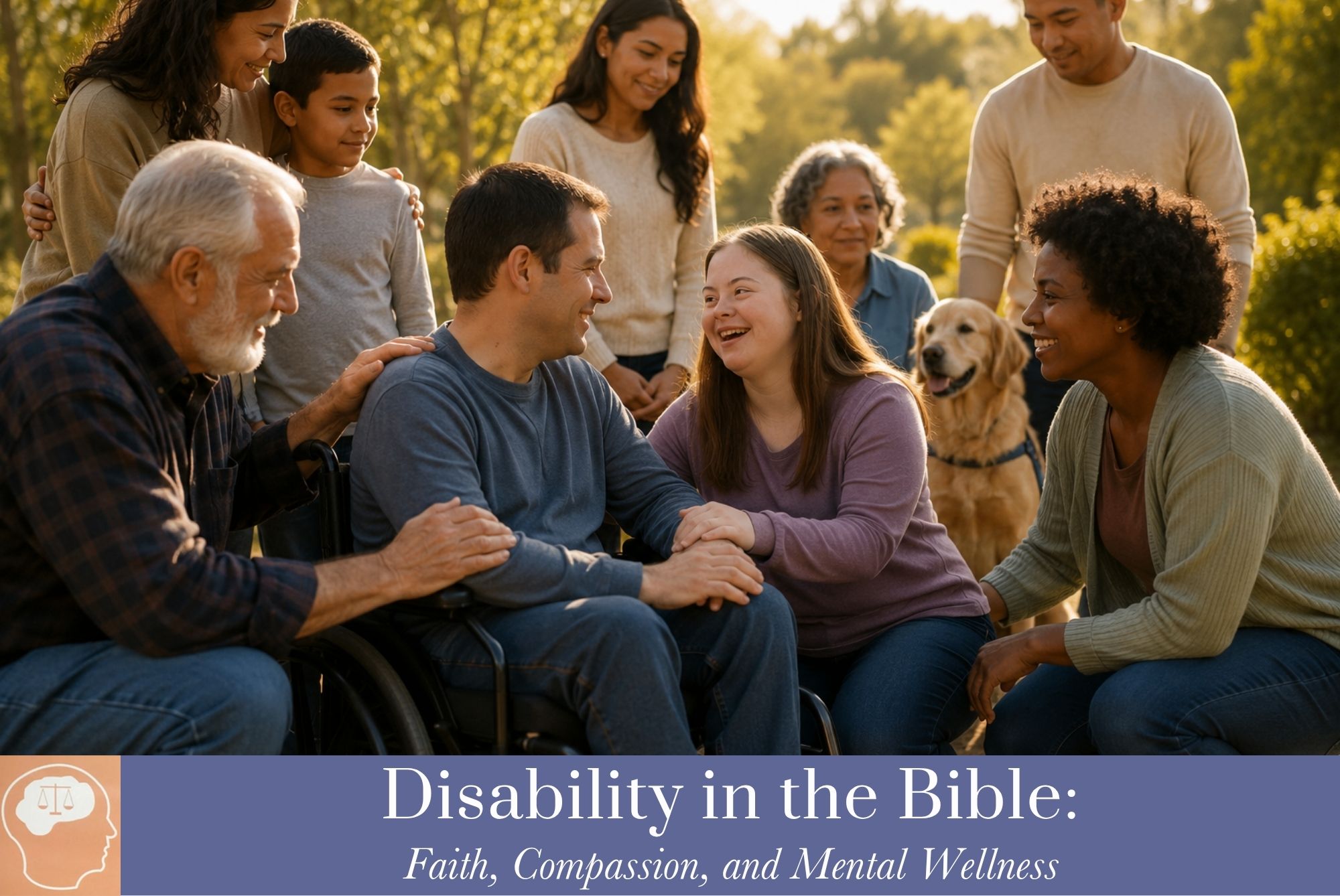
 Disability is a part of the human experience that has existed throughout history, including during biblical times. The Bible contains many accounts of individuals living with physical, sensory, emotional, and cognitive challenges. While cultural attitudes toward disability have evolved significantly, Scripture consistently reveals God’s compassion, the inherent value of every individual, and the importance of caring for those facing challenges.
Today, disability encompasses a broad range of physical, developmental, intellectual, neurological, and mental health conditions. For many individuals and families, living with a disability also means navigating emotional stress, anxiety, depression, trauma, caregiver fatigue, or social isolation. At The Potter’s Behavioral Medicine Clinic, compassionate psychiatric care and behavioral health services help individuals and families address the emotional aspects of disability while promoting resilience, hope, and overall well-being.
Understanding disability through both a biblical and modern behavioral health perspective encourages greater empathy, inclusion, and support for those facing life’s unique challenges.
Understanding Disability in Biblical Times
Disability Was Common but Poorly Understood
During biblical times, disabilities could result from illness, injury, congenital conditions, infectious diseases, aging, or accidents. Medical knowledge was limited, and many conditions that are treatable today often resulted in lifelong disability.
Individuals described in Scripture experienced conditions such as:
- Blindness
- Deafness
- Paralysis
- Mobility impairments
- Leprosy and other chronic illnesses
- Seizure disorders
- Speech impairments
- Emotional suffering
- Cognitive or behavioral disturbances
Unfortunately, cultural beliefs sometimes associated disability with sin or divine punishment, although Scripture repeatedly challenges this assumption.
Jesus Changed the Conversation About Disability
Compassion Over Judgment
One of the clearest examples appears in John 9 when Jesus encountered a man born blind. His disciples asked whether the man’s blindness resulted from his own sin or his parents’ sin.
Jesus answered:
“Neither this man nor his parents sinned.”
This response challenged widespread misconceptions and shifted attention away from blame and toward compassion.
Throughout the Gospels, Jesus consistently treated individuals with disabilities with dignity, respect, and love.
Disability Does Not Define Human Worth
Every Person Bears the Image of God
The Bible teaches that every human being is created in the image of God (Genesis 1:27). Human dignity is not determined by physical ability, intellectual capacity, productivity, or health status.
This foundational principle reminds believers that:
- Every life has purpose.
- Every individual deserves respect.
- Every person is worthy of compassion.
- Every individual belongs within the community.
Modern behavioral medicine also recognizes that self-worth should never be measured by diagnosis, disability, or limitations.
Biblical Examples of Individuals Living with Disabilities
Moses and His Speech Difficulty
When God called Moses to lead Israel, Moses expressed concern about his speech.
“I am slow of speech and tongue.”
Despite his perceived limitation, God equipped Moses to fulfill his calling.
His story reminds us that limitations do not eliminate purpose.
Mephibosheth
After suffering a childhood injury that left him unable to walk, Mephibosheth was welcomed into King David’s household and treated with honor.
His story demonstrates restoration, dignity, and inclusion despite disability.
The Paralytic Lowered Through the Roof
Friends carried a man who was paralyzed to Jesus after overcoming numerous obstacles to reach Him.
Their determination illustrates the importance of community support, advocacy, and compassionate care.
Bartimaeus
Blind Bartimaeus called out persistently to Jesus despite being told to remain silent.
Jesus stopped, listened, and restored his sight.
The story highlights the importance of hearing and valuing the voices of individuals living with disabilities.
Mental Health and Disability Often Overlap
Emotional Challenges Are Common
Living with a disability can create emotional challenges that deserve compassionate attention.
Individuals may experience:
- Anxiety
- Depression
- Chronic stress
- Grief
- Social isolation
- Trauma
- Low self-esteem
- Caregiver relationship challenges
- Adjustment difficulties
Behavioral medicine recognizes that addressing emotional wellness is just as important as managing physical health.
Seeking psychiatric care or counseling is an important step toward improving quality of life.
Caregivers Also Need Support
Caring for Others Can Affect Mental Health
Family members and caregivers often experience significant emotional strain while supporting loved ones with disabilities.
Common challenges include:
- Burnout
- Compassion fatigue
- Anxiety
- Sleep disruption
- Financial stress
- Emotional exhaustion
- Depression
Healthy caregiving requires intentional self-care, emotional support, and professional guidance when needed.
The Bible Encourages Communities of Inclusion
Bearing One Another’s Burdens
Galatians 6:2 encourages believers to:
“Carry each other’s burdens.”
This principle extends to supporting individuals living with disabilities through:
- Compassion
- Accessibility
- Inclusion
- Practical assistance
- Emotional encouragement
- Prayer
- Advocacy
Modern communities similarly benefit when they create environments where every individual feels welcomed, respected, and valued.
Disability and Emotional Resilience
Finding Strength During Difficult Seasons
Living with disability often requires tremendous resilience.
Many individuals discover strength through:
- Healthy relationships
- Faith communities
- Mental health treatment
- Therapy
- Medication management when appropriate
- Purpose-driven activities
- Support groups
- Personal growth
Behavioral health care can help individuals build coping strategies that improve emotional resilience while navigating life’s challenges.
Addressing Stigma Around Disability and Mental Health
Moving Beyond Misconceptions
Although attitudes continue to improve, stigma surrounding disability and mental illness still exists.
Some individuals fear:
- Being misunderstood
- Appearing weak
- Being judged
- Social rejection
- Workplace discrimination
- Asking for help
The Bible consistently encourages compassion instead of judgment.
Behavioral medicine encourages education, understanding, and evidence-based treatment that empowers individuals to live meaningful lives.
Faith and Behavioral Medicine Can Work Together
Whole-Person Care
Many individuals find comfort in integrating their faith with professional mental health care.
Behavioral medicine does not replace spiritual beliefs. Instead, comprehensive care can address emotional, psychological, biological, and social factors while respecting each person’s values and beliefs.
Psychiatrists, therapists, and behavioral health professionals help individuals develop practical tools for managing symptoms while supporting overall wellness.
When to Seek Professional Mental Health Care
Signs That Additional Support May Help
Consider seeking behavioral health care if you or a loved one experiences:
- Persistent sadness
- Anxiety that interferes with daily life
- Difficulty adjusting to a disability diagnosis
- Chronic caregiver stress
- Sleep disturbances
- Social withdrawal
- Panic attacks
- Feelings of hopelessness
- Emotional overwhelm
- Difficulty functioning at work, school, or home
Early intervention often leads to better long-term outcomes and improved quality of life.
Building Hope Through Compassion and Care
Disability is one aspect of a person’s life—it does not define their identity, purpose, or value. Scripture consistently demonstrates God’s compassion toward individuals living with disabilities while reminding believers to create communities built on inclusion, dignity, and love.
Modern behavioral medicine complements these values by providing evidence-based mental health care that supports emotional wellness, resilience, and healthy coping strategies. Whether someone is adjusting to a new diagnosis, managing a lifelong condition, or caring for a loved one with disabilities, compassionate behavioral health services can make a meaningful difference.
At The Potter’s Behavioral Medicine Clinic, individuals and families receive personalized psychiatric and behavioral health care designed to support emotional wellness throughout every stage of life’s journey.
Frequently Asked Questions
Does the Bible say disability is caused by sin?
No. While some people in biblical times believed disability resulted from sin, Jesus directly challenged this belief in John 9 by explaining that the man’s blindness was not caused by his own sin or his parents’ sin.
Can people with disabilities benefit from behavioral health care?
Absolutely. Behavioral health care helps individuals manage anxiety, depression, stress, trauma, adjustment difficulties, and other emotional challenges that may accompany disability.
Why is mental health important for caregivers?
Caregiving can be emotionally and physically demanding. Supporting caregivers helps prevent burnout, depression, anxiety, and compassion fatigue while improving care for loved ones.
Can faith and psychiatric treatment work together?
Yes. Many individuals successfully integrate their faith with evidence-based psychiatric care, counseling, therapy, and medication management when appropriate.
When should someone seek professional behavioral health services?
Individuals should consider seeking help if emotional symptoms interfere with daily functioning, relationships, work, school, or overall quality of life.
How can families support loved ones with disabilities?
Families can provide emotional support, encourage independence, advocate for accessibility, promote inclusion, seek professional care when needed, and maintain open communication.
Can adjusting to a disability diagnosis affect mental health?
Yes. Receiving a new diagnosis or adapting to changes in physical or cognitive abilities can lead to grief, anxiety, depression, or stress. Professional support can help individuals navigate these emotions.
What services does The Potter’s Behavioral Medicine Clinic provide?
The Potter’s Behavioral Medicine Clinic offers compassionate psychiatric and behavioral health services designed to support individuals experiencing mental health conditions, emotional challenges, life transitions, and related behavioral health needs.
Contact Information
The Potter’s Behavioral Medicine Clinic
Website: https://thepottersclinic.com
Villa Rica
Phone: (770) 459-8799
Address:
307 Old Stone Road
Villa Rica, GA 30180
Hiram
Phone: (770) 439-3070
Address:
5604 Wendy Bagwell Pkwy
Hiram, GA 30141
Stockbridge – Virtual Visits
Phone: (770) 459-8799
Address:
255 Corporate Centre Drive
Stockbridge, GA 30281
Decatur – Virtual Visits
Phone: (770) 459-8799
Address:
5322 Snapfinger Park Drive
Decatur, GA 30035