
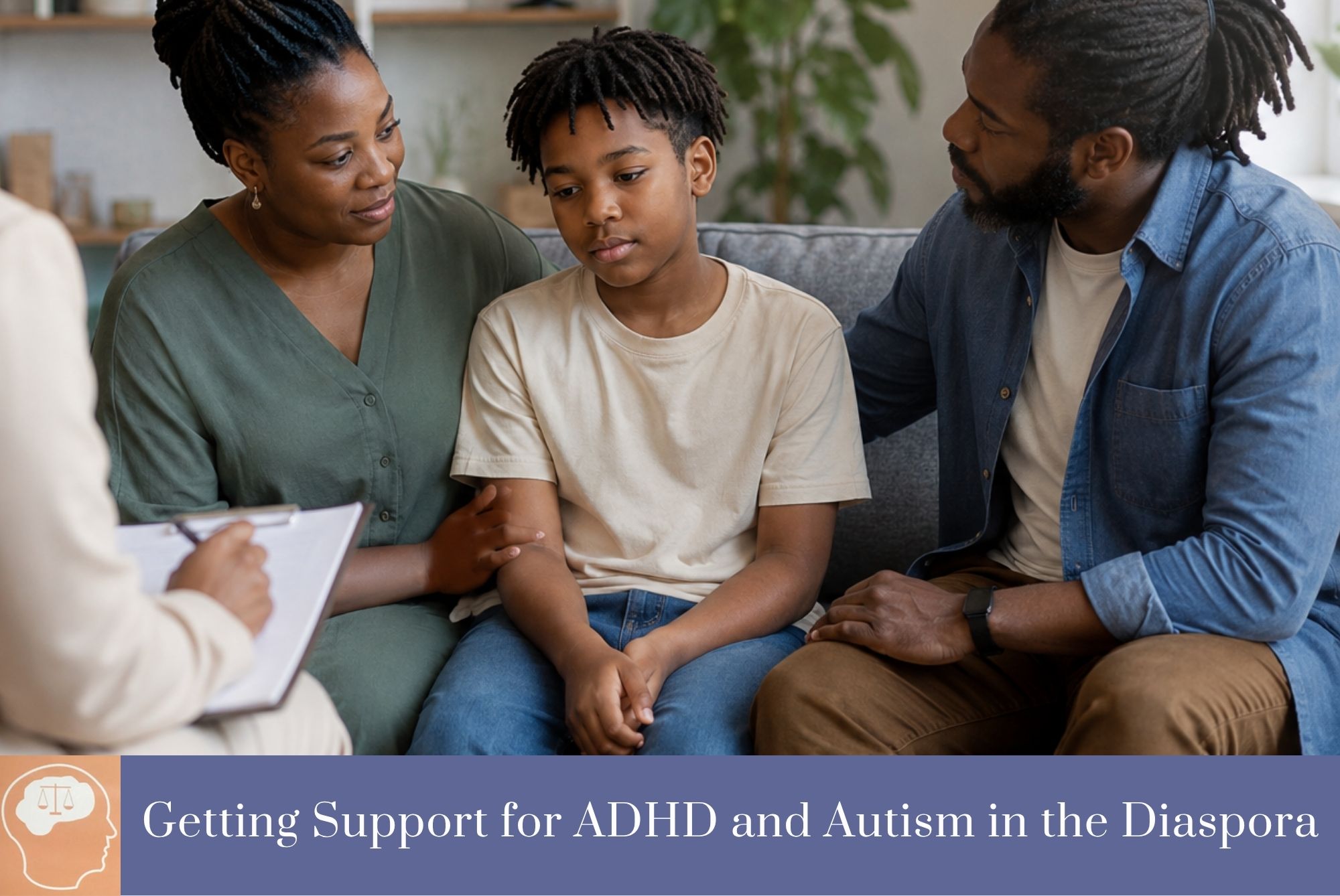
Living in the diaspora often means balancing multiple cultural identities, languages, traditions, and expectations. While these experiences can foster resilience and adaptability, they can also create unique challenges when seeking healthcare—especially for neurodevelopmental conditions such as Attention-Deficit/Hyperactivity Disorder (ADHD) and Autism Spectrum Disorder (ASD). Many individuals and families from immigrant, multicultural, and minority communities experience delays in diagnosis, misunderstandings about symptoms, or difficulty finding culturally responsive mental health providers.
At The Potter’s Behavioral Medicine Clinic, individuals and families receive compassionate, evidence-based behavioral health services that recognize the importance of culture, family dynamics, and individual experiences. Whether you are seeking an evaluation for yourself or your child, understanding ADHD and autism through a culturally informed lens can make all the difference in receiving appropriate support.
Understanding ADHD and Autism
What Is ADHD?
Attention-Deficit/Hyperactivity Disorder (ADHD) is a neurodevelopmental condition characterized by persistent patterns of inattention, hyperactivity, and impulsivity that interfere with daily functioning. ADHD affects both children and adults and can influence academic performance, employment, relationships, emotional regulation, and executive functioning.
Symptoms may include:
- Difficulty maintaining attention
- Forgetfulness
- Poor organization
- Frequent distraction
- Restlessness
- Interrupting conversations
- Impulsive decision-making
- Difficulty completing tasks
What Is Autism Spectrum Disorder?
Autism Spectrum Disorder (ASD) is a developmental condition that affects communication, social interaction, sensory processing, and behavior. Autism exists on a spectrum, meaning every individual experiences it differently. Some individuals require significant daily support, while others live independently with minimal accommodations.
Common characteristics include:
- Differences in verbal and nonverbal communication
- Repetitive movements or behaviors
- Strong preference for routines
- Sensory sensitivities
- Deep interests in specific subjects
- Difficulty interpreting social cues
- Unique learning styles
Neither ADHD nor autism reflects intelligence or potential. Many individuals possess exceptional creativity, problem-solving skills, attention to detail, and innovative thinking.
Why ADHD and Autism Often Go Undiagnosed in the Diaspora
Cultural Beliefs About Mental Health
Many diaspora communities come from cultures where developmental and behavioral differences are misunderstood or stigmatized. Symptoms may be attributed to personality traits, parenting styles, spiritual beliefs, or temporary phases instead of recognized medical conditions.
Children who struggle academically may be labeled as lazy, disrespectful, or inattentive rather than receiving appropriate evaluations.
Adults often spend decades believing they simply need to “try harder” before discovering they have ADHD or autism.
Limited Access to Specialized Care
Some families relocate from countries where developmental evaluations are uncommon or unavailable. Even after moving, navigating an unfamiliar healthcare system can be overwhelming due to:
- Insurance concerns
- Transportation barriers
- Long wait times
- Language differences
- Lack of culturally informed providers
- Limited awareness of available services
Different Cultural Expectations
Behavior considered concerning in one culture may be viewed differently in another.
For example:
- Quiet children may be praised rather than evaluated for communication challenges.
- Highly active children may be viewed as energetic instead of hyperactive.
- Social withdrawal may be interpreted as shyness rather than autism.
- Emotional regulation challenges may be mistaken for behavioral problems.
Recognizing these cultural differences helps clinicians perform more accurate and individualized assessments.
Signs ADHD May Be Present
In Children
Children with ADHD may experience:
- Difficulty sitting still
- Frequent daydreaming
- Trouble following instructions
- Poor academic performance despite intelligence
- Emotional outbursts
- Difficulty making or maintaining friendships
- Losing school supplies
- Constant movement or fidgeting
In Adults
Adults may notice:
- Chronic disorganization
- Missed deadlines
- Difficulty managing finances
- Forgetting appointments
- Impulsive spending
- Trouble prioritizing responsibilities
- Relationship difficulties
- Persistent feelings of underachievement
Many adults are diagnosed only after their own child receives an ADHD evaluation.
Signs Autism May Be Present
Early Childhood Indicators
Early signs can include:
- Delayed speech
- Limited eye contact
- Difficulty responding to name
- Strong attachment to routines
- Sensory sensitivities
- Limited pretend play
- Repetitive behaviors
Autism in Adolescents and Adults
Autism is not always identified during childhood. Many adolescents and adults—particularly women and individuals from minority communities—learn to mask symptoms, making diagnosis more challenging.
Adults may experience:
- Social exhaustion
- Difficulty interpreting social situations
- Strong preference for routine
- Sensory overwhelm
- Difficulty with unexpected changes
- Intense special interests
- Anxiety related to social interaction
The Importance of Early Identification
Better Educational Outcomes
Early diagnosis allows children to receive:
- School accommodations
- Individualized Education Programs (IEPs)
- Section 504 Plans
- Behavioral interventions
- Speech therapy when appropriate
- Occupational therapy referrals
These supports help students reach their academic potential.
Improved Emotional Health
Without understanding the reason behind their challenges, many individuals develop:
- Anxiety
- Depression
- Low self-esteem
- Chronic stress
- Burnout
Receiving an accurate diagnosis often provides clarity and validation while opening the door to effective treatment.
ADHD and Autism Can Occur Together
Research demonstrates that ADHD and autism frequently coexist.
An individual may experience:
- Executive functioning challenges
- Sensory processing differences
- Attention difficulties
- Emotional dysregulation
- Social communication challenges
Accurate diagnosis helps clinicians develop treatment plans that address each individual’s unique needs.
How Comprehensive Evaluations Help
Individualized Assessment
A comprehensive behavioral evaluation often includes:
- Medical history
- Developmental history
- Family history
- Clinical interviews
- Behavioral observations
- Standardized screening tools
- Collaboration with caregivers when appropriate
Because every individual is different, no single test diagnoses ADHD or autism. Comprehensive evaluations provide the most accurate understanding.
Culturally Sensitive Care
Effective behavioral healthcare respects cultural identity while recognizing how culture influences communication, family expectations, education, and healthcare decisions.
Culturally informed providers strive to:
- Listen without assumptions
- Understand family values
- Reduce stigma
- Improve communication
- Provide individualized recommendations
Treatment and Support Options
ADHD Treatment
Treatment may include:
- Medication management
- Behavioral therapy
- Executive functioning coaching
- Parent education
- School accommodations
- Lifestyle modifications
- Organizational skill development
Autism Support
Support services may include:
- Behavioral therapy
- Social skills training
- Occupational therapy
- Speech therapy
- Family education
- Emotional regulation strategies
- School support planning
Treatment focuses on improving quality of life rather than changing an individual’s identity.
Supporting Families in the Diaspora
Families often serve as the primary source of advocacy and emotional support.
Helpful strategies include:
- Learning about ADHD and autism from reliable sources
- Encouraging open conversations
- Reducing stigma surrounding mental health
- Partnering with schools
- Building supportive community connections
- Seeking culturally responsive healthcare providers
Education empowers families to advocate confidently for themselves and their loved ones.
Reducing Stigma Around Neurodiversity
Many cultures continue to associate developmental conditions with shame or misunderstanding. Open dialogue helps replace myths with evidence-based understanding.
Recognizing ADHD and autism as neurodevelopmental conditions—not personal failures—encourages earlier intervention, healthier relationships, and improved long-term outcomes.
Every individual deserves access to compassionate, respectful care regardless of cultural background.
Why Choose The Potter’s Behavioral Medicine Clinic?
The Potter’s Behavioral Medicine Clinic provides comprehensive behavioral healthcare with an emphasis on individualized treatment and culturally responsive care. Patients receive thoughtful evaluations, personalized treatment plans, medication management when appropriate, and ongoing support designed to improve long-term mental wellness.
Whether you are concerned about a young child, adolescent, or adult, seeking an evaluation is an important first step toward understanding strengths, addressing challenges, and improving overall quality of life.
Frequently Asked Questions
Can adults be diagnosed with ADHD or autism?
Yes. Many adults are diagnosed later in life after recognizing lifelong patterns of attention difficulties, sensory sensitivities, executive functioning challenges, or social communication differences.
Why are ADHD and autism often diagnosed later in minority communities?
Limited access to healthcare, cultural stigma, lack of awareness, language barriers, and differences in symptom recognition can all contribute to delayed diagnosis.
Can someone have both ADHD and autism?
Yes. ADHD and autism frequently occur together. A comprehensive evaluation helps determine whether one or both conditions are present.
Does an ADHD or autism diagnosis mean someone cannot succeed?
Not at all. Many individuals with ADHD and autism excel academically, professionally, and personally when provided with appropriate support and accommodations.
How can parents advocate for their child?
Parents can request school evaluations, discuss concerns with healthcare providers, seek comprehensive behavioral assessments, and collaborate with educators to develop individualized support plans.
Is medication always necessary for ADHD?
No. Treatment is individualized. While medication helps many people manage symptoms, behavioral therapy, organizational strategies, parent education, and lifestyle changes are also important components of care.
Can autism be treated?
Autism is a lifelong neurodevelopmental condition. Treatment focuses on building communication skills, emotional regulation, independence, and quality of life rather than attempting to “cure” autism.
How do culturally responsive providers improve care?
Culturally responsive providers recognize how cultural values, language, traditions, and lived experiences influence healthcare decisions. This leads to more accurate assessments, stronger therapeutic relationships, and personalized treatment plans.
Contact Information
The Potter’s Behavioral Medicine Clinic
Website: https://thepottersclinic.com
Villa Rica
Phone: (770) 459-8799
Address:
307 Old Stone Road
Villa Rica, GA 30180
Hiram
Phone: (770) 439-3070
Address:
5604 Wendy Bagwell Pkwy
Hiram, GA 30141
Stockbridge – Virtual Visits
Phone: (770) 459-8799
Address:
255 Corporate Centre Drive
Stockbridge, GA 30281
Decatur – Virtual Visits
Phone: (770) 459-8799
Address:
5322 Snapfinger Park Drive
Decatur, GA 30035