
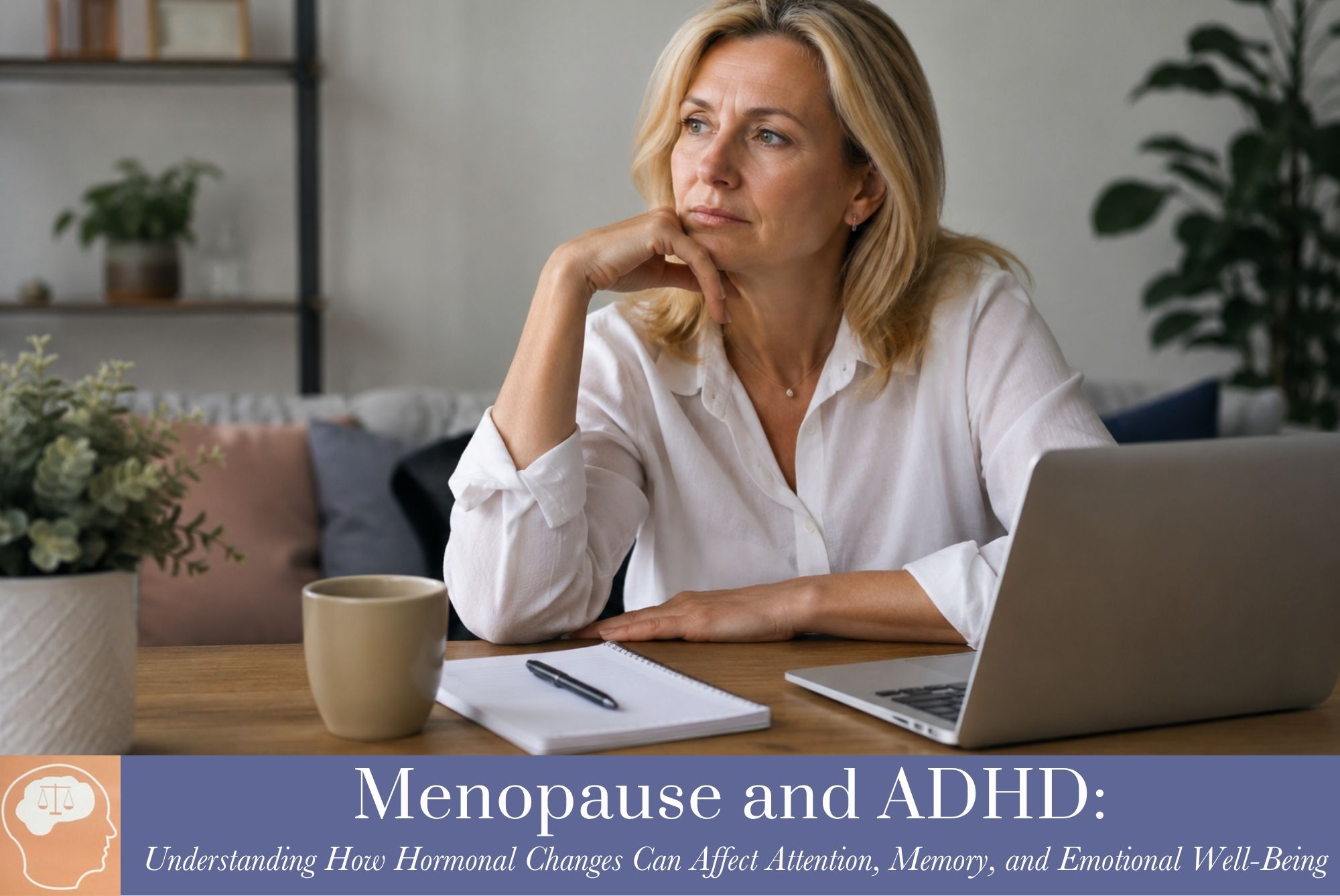
Why Menopause Can Make ADHD Symptoms More Noticeable
Many women spend years successfully managing their careers, families, and daily responsibilities without realizing they have Attention-Deficit/Hyperactivity Disorder (ADHD). For others, ADHD has been well controlled for years but suddenly seems more difficult to manage during midlife. Menopause and the years leading up to it can significantly influence brain function because of changing hormone levels, particularly estrogen. These hormonal changes can make ADHD symptoms more noticeable or intensify existing challenges.
At The Potter’s Behavioral Medicine Clinic, we understand that menopause and ADHD often intersect in ways that are frequently misunderstood or overlooked. Women experiencing new cognitive, emotional, or executive functioning difficulties during perimenopause or menopause deserve a thorough evaluation to determine whether hormonal changes, ADHD, or another medical or mental health condition is contributing to their symptoms.
Understanding the connection between menopause and ADHD allows women to seek appropriate treatment and regain confidence in their daily lives.
Understanding ADHD in Adult Women
ADHD Often Looks Different in Women
For decades, ADHD was primarily associated with hyperactive young boys. Today, research has shown that many girls and women experience ADHD differently, often presenting with symptoms of inattention rather than obvious hyperactivity.
Women with ADHD may experience:
- Difficulty staying organized
- Forgetfulness
- Trouble focusing during conversations
- Losing important items
- Difficulty completing projects
- Poor time management
- Emotional sensitivity
- Feeling mentally overwhelmed
- Procrastination
- Difficulty prioritizing tasks
Because these symptoms are often mistaken for stress, anxiety, or personality traits, many women remain undiagnosed until adulthood.
Why Many Women Receive a Diagnosis Later in Life
Many women develop coping strategies that allow them to function successfully for years. Careers, family support systems, calendars, reminders, and routines can help compensate for ADHD symptoms.
However, major life transitions—including menopause—can reduce the effectiveness of these coping mechanisms, causing previously manageable symptoms to become disruptive.
What Happens During Menopause?
Hormonal Changes Affect Brain Function
Menopause is the natural stage of life when menstrual cycles permanently stop due to declining ovarian hormone production. The transition usually begins during perimenopause, which may last several years before menopause occurs.
During this time:
- Estrogen levels fluctuate significantly.
- Progesterone decreases.
- Hormonal variability affects multiple brain regions involved in attention, memory, mood, and executive functioning.
Estrogen plays an important role in supporting neurotransmitters such as dopamine and norepinephrine, both of which are closely involved in ADHD.
As estrogen declines, the brain’s ability to regulate attention, focus, motivation, and emotional control may also change.
The Link Between Estrogen and ADHD
Dopamine Function Changes During Menopause
One of the key biological connections between menopause and ADHD involves dopamine.
Dopamine helps regulate:
- Attention
- Motivation
- Working memory
- Planning
- Emotional regulation
- Reward processing
People with ADHD often have differences in dopamine regulation. When estrogen declines during menopause, dopamine activity can also decrease, making ADHD symptoms more pronounced.
Many women notice they suddenly struggle with concentration despite years of successful functioning.
Common ADHD Symptoms That May Worsen During Menopause
Difficulty Concentrating
Women frequently report:
- Losing track of conversations
- Trouble following meetings
- Reading the same paragraph repeatedly
- Increased distractibility
Memory Problems
Memory concerns are common during menopause and can overlap with ADHD.
Women may notice:
- Forgetting appointments
- Misplacing belongings
- Difficulty recalling names
- Trouble remembering recent conversations
- Forgetting why they entered a room
Executive Function Challenges
Executive functioning includes planning, organization, prioritization, and completing tasks.
Hormonal changes can make it harder to:
- Stay organized
- Finish projects
- Meet deadlines
- Manage household responsibilities
- Keep track of multiple obligations
Emotional Regulation
Many women notice greater emotional sensitivity during menopause.
Symptoms may include:
- Irritability
- Mood swings
- Feeling overwhelmed
- Low frustration tolerance
- Increased anxiety
- Difficulty recovering from stressful situations
These emotional changes can overlap with ADHD-related emotional dysregulation.
ADHD or Menopause Brain Fog?
Understanding the Difference
Many women describe experiencing “brain fog” during menopause.
Brain fog typically involves:
- Slower thinking
- Mild forgetfulness
- Difficulty finding words
- Temporary concentration problems
ADHD, however, involves lifelong patterns of executive functioning challenges that may become more noticeable during menopause.
A comprehensive evaluation helps distinguish between:
- ADHD
- Hormonal cognitive changes
- Anxiety disorders
- Depression
- Sleep disorders
- Thyroid disease
- Medication effects
- Other neurological or medical conditions
Sleep Changes Can Make ADHD Worse
The Impact of Poor Sleep
Many women experience disrupted sleep during menopause because of:
- Night sweats
- Hot flashes
- Insomnia
- Frequent awakenings
Sleep deprivation alone can worsen:
- Attention
- Memory
- Emotional regulation
- Decision-making
- Processing speed
When ADHD and poor sleep occur together, symptoms often become significantly more noticeable.
Anxiety, Depression, and ADHD During Menopause
Conditions That Often Overlap
Hormonal changes increase the risk of mood disorders during menopause.
Women with ADHD are also more likely to experience:
- Anxiety disorders
- Depression
- Chronic stress
- Burnout
Because symptoms overlap, it is important not to assume every cognitive complaint is caused by menopause alone.
A behavioral medicine specialist can evaluate the full picture to develop an individualized treatment plan.
How ADHD Is Evaluated During Menopause
A Comprehensive Assessment Matters
There is no single laboratory test for ADHD.
Instead, diagnosis involves reviewing:
- Current symptoms
- Childhood history
- Educational experiences
- Occupational functioning
- Medical history
- Mental health history
- Family history
- Medication use
- Sleep patterns
- Hormonal changes
A thorough evaluation helps identify whether ADHD has been present throughout life or whether another condition better explains current symptoms.
Treatment Options for Menopause and ADHD
Individualized Care Is Essential
Treatment depends on each patient’s unique needs, symptoms, and overall health.
A comprehensive treatment plan may include:
- ADHD medication when appropriate
- Non-stimulant medication options
- Behavioral therapy
- Cognitive behavioral therapy (CBT)
- Organizational and executive functioning strategies
- Stress management techniques
- Sleep optimization
- Lifestyle modifications
- Coordination with primary care providers or gynecologists regarding menopausal symptoms when appropriate
Because menopause affects every woman differently, treatment should be personalized rather than one-size-fits-all.
Lifestyle Strategies That Can Support Brain Health
Daily Habits That Make a Difference
Healthy lifestyle habits can complement professional treatment.
Helpful strategies include:
- Maintaining consistent sleep routines
- Regular physical activity
- Balanced nutrition
- Limiting excessive alcohol intake
- Practicing mindfulness
- Using calendars and reminders
- Breaking large tasks into smaller steps
- Creating structured daily routines
- Reducing unnecessary distractions
- Scheduling demanding tasks during periods of peak concentration
These habits support both cognitive performance and emotional well-being.
When to Seek Professional Help
Don’t Ignore Persistent Cognitive Changes
Many women assume they simply have to “push through” menopause-related cognitive difficulties.
You should consider seeking an evaluation if you experience:
- Persistent difficulty concentrating
- Memory concerns affecting work or home life
- Increasing disorganization
- Emotional overwhelm
- Difficulty managing daily responsibilities
- Symptoms that interfere with relationships or quality of life
Early evaluation can help identify the underlying causes and lead to more effective treatment.
Supporting Women Through Every Stage of Life
Menopause represents a major life transition that can reveal or intensify ADHD symptoms in ways that surprise many women. Hormonal changes affect brain function, but persistent attention, organization, and executive functioning difficulties should not be dismissed as a normal part of aging.
Understanding the relationship between menopause and ADHD empowers women to seek answers rather than simply accepting worsening cognitive symptoms. With a comprehensive evaluation and individualized treatment plan, many women experience meaningful improvements in focus, emotional regulation, daily functioning, and overall quality of life.
At The Potter’s Behavioral Medicine Clinic, our experienced team provides compassionate, evidence-based behavioral health care to help patients better understand their symptoms and develop personalized treatment strategies that support long-term wellness.
Frequently Asked Questions
Can menopause cause ADHD?
Menopause does not cause ADHD. However, hormonal changes can make existing ADHD symptoms more noticeable or lead previously unrecognized ADHD to become apparent.
Can ADHD first be diagnosed during menopause?
Yes. Many women receive their first ADHD diagnosis during perimenopause or menopause after lifelong symptoms become more disruptive.
Why does menopause affect concentration?
Declining estrogen levels influence dopamine and other neurotransmitters involved in attention, memory, and executive functioning, contributing to concentration difficulties.
How can I tell whether I have ADHD or menopause brain fog?
A comprehensive evaluation by a qualified behavioral health professional can distinguish ADHD from menopause-related cognitive changes and other medical or mental health conditions.
Can anxiety and menopause make ADHD worse?
Yes. Anxiety, chronic stress, poor sleep, and hormonal fluctuations can all increase the severity of ADHD symptoms.
Is treatment available for adults with ADHD?
Yes. Treatment may include medication, therapy, behavioral strategies, organizational coaching, and lifestyle interventions tailored to the individual’s needs.
Should I seek help if my symptoms started during menopause?
Yes. New or worsening cognitive symptoms deserve professional evaluation to determine their underlying cause and identify appropriate treatment options.
Contact Information
The Potter’s Behavioral Medicine Clinic
Website: https://thepottersclinic.com
Villa Rica
Address: 307 Old Stone Road, Villa Rica, GA 30180
Phone: (770) 459-8799
Hiram
Address: 5604 Wendy Bagwell Pkwy, Hiram, GA 30141
Phone: (770) 439-3070
Stockbridge – Virtual Visits
Address: 255 Corporate Centre Drive, Stockbridge, GA 30281
Phone: (770) 459-8799
Decatur – Virtual Visits
Address: 5322 Snapfinger Park Drive, Decatur, GA 30035
Phone: (770) 459-8799