
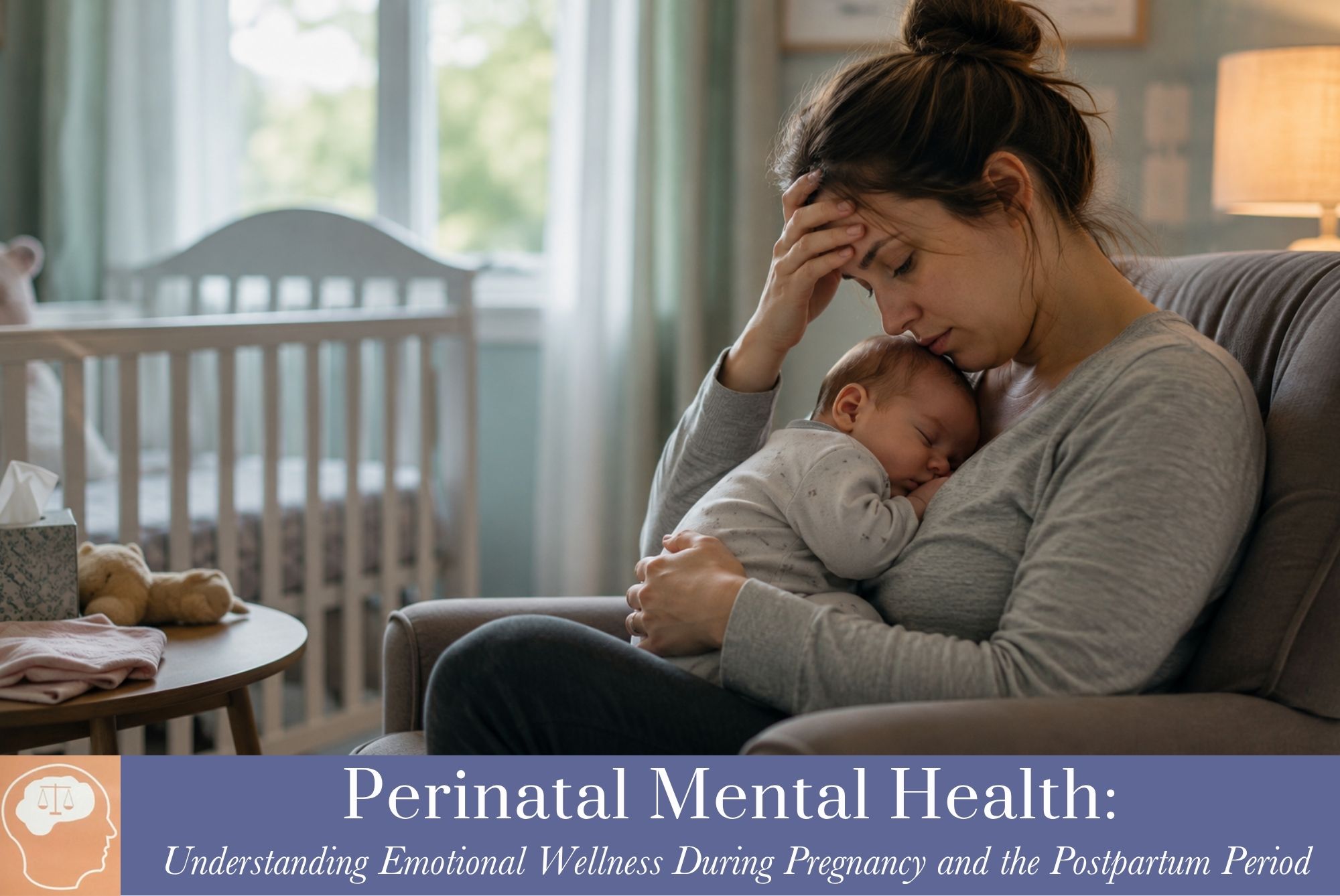
Pregnancy and the months following childbirth are often described as joyful milestones, but they also represent one of the most significant physical, emotional, and psychological transitions a person can experience. While many expectant and new parents anticipate changes in sleep, hormones, and daily routines, fewer realize how common mental health concerns are during the perinatal period.
Perinatal mental health refers to emotional and psychological well-being during pregnancy and up to one year after giving birth. Conditions such as anxiety, depression, obsessive-compulsive disorder (OCD), post-traumatic stress disorder (PTSD), and postpartum depression can affect individuals regardless of age, background, or previous mental health history. Fortunately, these conditions are highly treatable with compassionate, evidence-based care.
At The Potter’s Behavioral Medicine Clinic, our experienced mental health professionals provide comprehensive evaluations, personalized treatment plans, medication management when appropriate, and therapeutic support to help patients navigate the emotional challenges of pregnancy and postpartum life. Seeking help is a sign of strength and an important step toward improving both parental and family well-being.
What Is Perinatal Mental Health?
Understanding the Perinatal Period
The perinatal period includes:
- Pregnancy (prenatal)
- Childbirth
- The first year after delivery (postpartum)
During this time, dramatic hormonal changes occur alongside major lifestyle adjustments. Physical recovery, sleep deprivation, relationship changes, financial concerns, breastfeeding challenges, and the responsibilities of caring for a newborn can all influence emotional health.
Perinatal mental health focuses on identifying and treating psychological conditions that develop or worsen during this important stage of life.
Why Mental Health Matters During Pregnancy
Emotional Wellness Impacts Both Parent and Baby
Mental health is just as important as physical health during pregnancy. Untreated depression, anxiety, or chronic stress can interfere with:
- Prenatal care
- Healthy nutrition
- Sleep quality
- Bonding with the baby
- Pregnancy outcomes
- Overall quality of life
Addressing mental health concerns early allows expectant parents to better manage stress, improve emotional resilience, and prepare for the transition into parenthood.
Common Perinatal Mental Health Conditions
Perinatal Depression
Perinatal depression can occur during pregnancy or after delivery. Unlike occasional sadness or mood swings, depression persists and interferes with daily functioning.
Symptoms may include:
- Persistent sadness
- Loss of interest in enjoyable activities
- Fatigue
- Feelings of hopelessness
- Difficulty concentrating
- Appetite changes
- Sleep disturbances beyond normal pregnancy discomfort
- Thoughts of self-harm or suicide
Perinatal Anxiety
Anxiety disorders are actually more common than many people realize during pregnancy and postpartum.
Symptoms often include:
- Excessive worrying
- Racing thoughts
- Restlessness
- Muscle tension
- Panic attacks
- Difficulty relaxing
- Fear that something bad will happen to the baby
Postpartum Depression
Postpartum depression affects many new parents and typically develops within weeks or months after delivery.
Symptoms may include:
- Frequent crying
- Feeling disconnected from the baby
- Extreme exhaustion
- Irritability
- Feelings of guilt
- Difficulty bonding
- Loss of confidence as a parent
Without treatment, postpartum depression can persist for months or longer.
Postpartum Anxiety
Many parents experience overwhelming fears about their baby’s health or safety.
Symptoms can include:
- Constant checking on the baby
- Fear of leaving the house
- Difficulty sleeping even when the baby sleeps
- Persistent worry
- Panic attacks
Perinatal Obsessive-Compulsive Disorder (OCD)
Perinatal OCD involves intrusive thoughts and repetitive behaviors designed to reduce anxiety.
Individuals may experience:
- Unwanted frightening thoughts
- Repetitive checking
- Excessive cleaning
- Fear of harming the baby despite having no intention of doing so
These intrusive thoughts are extremely distressing but do not mean someone will act on them.
Post-Traumatic Stress Disorder (PTSD)
PTSD may develop after:
- Traumatic labor or delivery
- Emergency cesarean section
- Pregnancy loss
- NICU hospitalization
- Previous trauma triggered by childbirth
Symptoms include flashbacks, nightmares, avoidance, and heightened anxiety.
Baby Blues vs. Postpartum Depression
Understanding the Difference
Many new parents experience the “baby blues” during the first two weeks after delivery.
Baby blues commonly include:
- Mood swings
- Tearfulness
- Feeling overwhelmed
- Temporary irritability
These symptoms usually resolve without medical treatment.
Postpartum depression is different because symptoms:
- Last longer than two weeks
- Become more severe
- Affect daily functioning
- Require professional evaluation and treatment
Recognizing this distinction can help individuals seek care before symptoms worsen.
Risk Factors for Perinatal Mental Health Disorders
Who Is Most at Risk?
Anyone can develop a perinatal mental health condition, but risk increases with:
- Personal history of depression or anxiety
- Family history of mental illness
- High-risk pregnancy
- Pregnancy complications
- Infertility treatments
- Previous pregnancy loss
- Financial stress
- Relationship challenges
- Limited social support
- Sleep deprivation
- Hormonal sensitivity
Even individuals without any known risk factors may develop symptoms.
The Role of Hormones
Why Emotional Changes Occur
Pregnancy and childbirth produce dramatic hormonal shifts involving:
- Estrogen
- Progesterone
- Oxytocin
- Cortisol
- Thyroid hormones
These biological changes influence mood, energy levels, and stress responses. Hormones alone rarely explain perinatal mental health disorders, but they can contribute alongside genetic, psychological, and environmental factors.
The Importance of Early Diagnosis
Early Intervention Leads to Better Outcomes
Recognizing symptoms early provides several benefits:
- Faster symptom relief
- Reduced risk of worsening depression
- Improved parent-infant bonding
- Better sleep
- Healthier family relationships
- Lower risk of long-term mental health complications
Routine mental health screenings during pregnancy and postpartum appointments help identify concerns before they become severe.
Evidence-Based Treatment Options
Comprehensive Psychiatric Evaluation
Treatment begins with a thorough assessment that evaluates:
- Current symptoms
- Medical history
- Pregnancy status
- Previous mental health conditions
- Current medications
- Family history
- Safety concerns
A personalized treatment plan is then developed.
Medication Management
Many psychiatric medications can be safely used during pregnancy or while breastfeeding when the benefits outweigh potential risks.
Medication decisions are individualized based on:
- Severity of symptoms
- Pregnancy stage
- Breastfeeding plans
- Medical history
- Current research regarding medication safety
Patients should never stop psychiatric medications without consulting their healthcare provider.
Individual Therapy
Evidence-based therapies help patients:
- Manage anxiety
- Reduce depression
- Improve coping skills
- Process birth-related trauma
- Strengthen emotional resilience
- Build confidence in parenting
Therapy can also improve communication and family relationships during this life transition.
Lifestyle Support
Healthy lifestyle habits complement professional treatment, including:
- Prioritizing sleep whenever possible
- Regular physical activity approved by an obstetric provider
- Balanced nutrition
- Stress reduction techniques
- Social support
- Mindfulness practices
Supporting a Loved One
How Family and Friends Can Help
Support systems play an essential role in recovery.
Helpful ways to support someone include:
- Listening without judgment
- Offering practical assistance
- Encouraging professional care
- Helping with childcare
- Assisting with meals and household tasks
- Watching for worsening symptoms
Compassion and understanding can significantly improve recovery.
When to Seek Immediate Help
Warning Signs That Require Urgent Attention
Immediate medical attention is necessary if someone experiences:
- Thoughts of suicide
- Thoughts of harming the baby
- Hallucinations
- Delusions
- Extreme confusion
- Loss of touch with reality
Postpartum psychosis is a rare but serious medical emergency requiring immediate evaluation.
How The Potter’s Behavioral Medicine Clinic Can Help
Compassionate, Personalized Mental Health Care
The Potter’s Behavioral Medicine Clinic understands that pregnancy and new parenthood can bring unexpected emotional challenges. Our team provides comprehensive behavioral health services tailored to each patient’s individual needs.
We work collaboratively to develop personalized treatment plans that may include psychiatric evaluation, medication management, therapy referrals when appropriate, ongoing monitoring, and compassionate support throughout pregnancy and the postpartum period. Whether symptoms are mild or severe, early intervention can help patients regain emotional stability and confidently care for themselves and their growing families.
No one should feel alone while navigating perinatal mental health challenges. Professional treatment can make a meaningful difference for both parents and their children.
Frequently Asked Questions
What is perinatal mental health?
Perinatal mental health refers to emotional and psychological well-being during pregnancy and throughout the first year after childbirth.
Is postpartum depression common?
Yes. Postpartum depression is one of the most common complications following childbirth and affects many new parents each year.
Can anxiety occur without depression?
Absolutely. Many individuals experience significant anxiety during pregnancy or postpartum without developing depression.
Are psychiatric medications safe during pregnancy?
Some medications are considered appropriate during pregnancy depending on the individual’s medical history and clinical needs. Treatment decisions should always be made with qualified healthcare providers.
How soon after delivery can postpartum depression begin?
Symptoms may begin within days, weeks, or several months after childbirth and can occur anytime during the first postpartum year.
Can fathers or partners experience postpartum depression?
Yes. Partners can also experience depression, anxiety, and emotional stress after welcoming a new baby.
Will therapy help with postpartum anxiety?
Yes. Evidence-based therapy is highly effective for treating postpartum anxiety, depression, OCD, and trauma-related conditions.
What if I feel guilty asking for help?
Seeking help demonstrates strength, not weakness. Early treatment supports healthier outcomes for both parents and children.
Can I breastfeed while receiving treatment?
Many treatment options, including certain medications, may be compatible with breastfeeding. Your healthcare provider can discuss the safest approach for your situation.
When should I schedule an evaluation?
If emotional symptoms last longer than two weeks, interfere with daily life, or become overwhelming at any point during pregnancy or postpartum, it is important to schedule a professional evaluation.
Contact Information
The Potter’s Behavioral Medicine Clinic
Website: https://thepottersclinic.com
Villa Rica
Phone: (770) 459-8799
Address: 307 Old Stone Road, Villa Rica, GA 30180
Hiram
Phone: (770) 439-3070
Address: 5604 Wendy Bagwell Pkwy, Hiram, GA 30141
Stockbridge – Virtual Visits
Phone: (770) 459-8799
Address: 255 Corporate Centre Drive, Stockbridge, GA 30281
Decatur – Virtual Visits
Phone: (770) 459-8799
Address: 5322 Snapfinger Park Drive, Decatur, GA 30035