
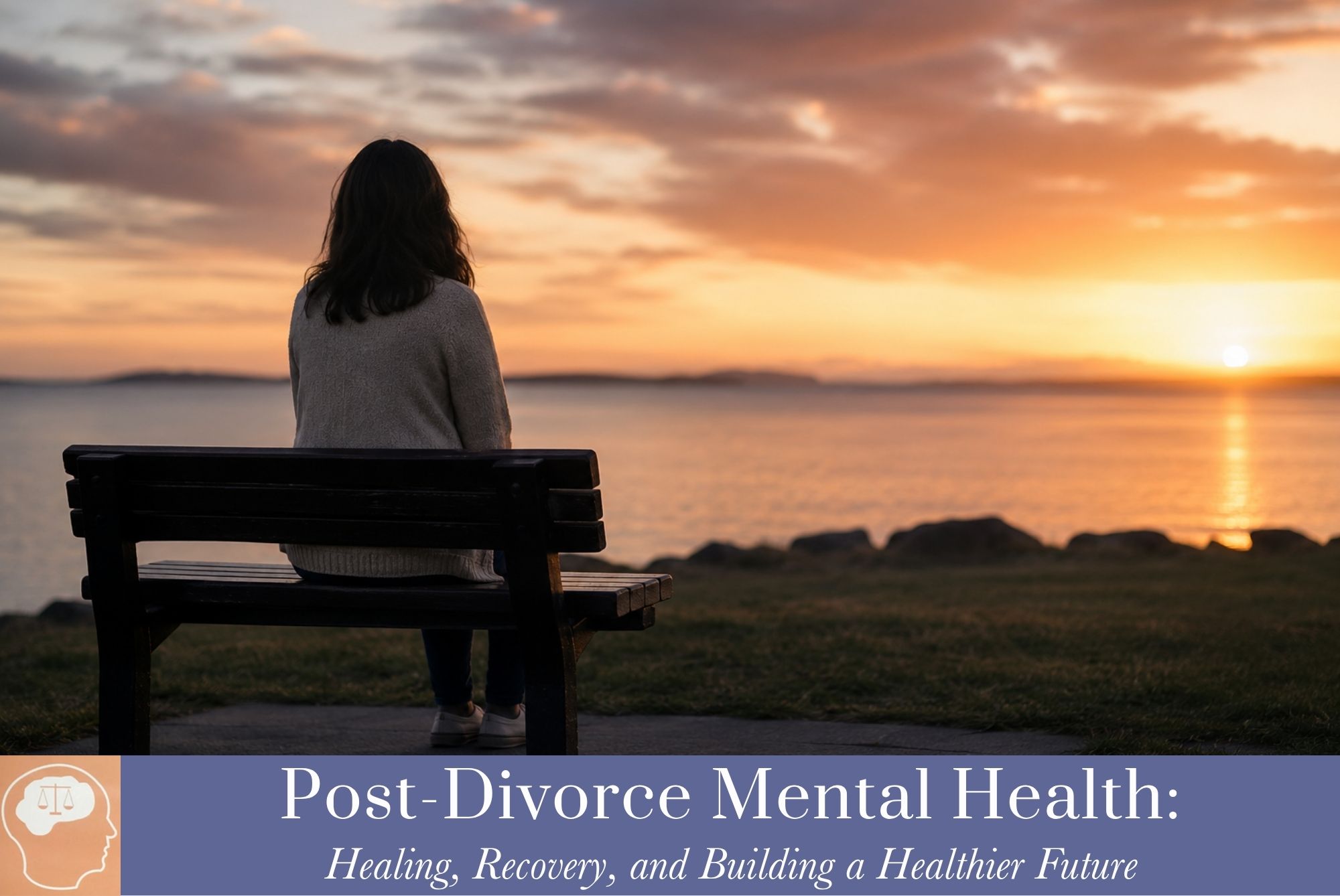
 Divorce is one of life’s most significant transitions. While it often marks the end of a relationship, it also represents the beginning of a new chapter that can bring uncertainty, emotional challenges, and opportunities for growth. The emotional impact of divorce can affect every aspect of daily life, including mental health, physical well-being, relationships, work performance, and self-confidence.
At The Potter’s Behavioral Medicine Clinic, we understand that healing after divorce is not a one-size-fits-all process. Every person’s experience is unique, and compassionate, evidence-based mental health care can provide the support needed to navigate this life transition. Whether you are experiencing anxiety, depression, grief, overwhelming stress, or difficulty adjusting to your new circumstances, professional care can help you regain emotional balance and move forward with confidence.
Understanding the Emotional Impact of Divorce
Divorce Is More Than a Legal Process
Although divorce involves legal and financial changes, it is also an emotional process that can affect nearly every area of life. Individuals often experience a complex mix of emotions that may change from day to day.
Common emotional responses include:
- Grief over the loss of the relationship
- Anxiety about the future
- Anger or resentment
- Feelings of rejection or abandonment
- Loneliness and isolation
- Relief after leaving an unhealthy relationship
- Uncertainty about identity and purpose
- Guilt, especially when children are involved
Experiencing multiple emotions at once is completely normal. Healing rarely follows a straight path.
Why Divorce Can Feel Similar to Grieving a Death
Mental health professionals often compare divorce to mourning because both involve significant loss. During divorce, individuals may grieve:
- Shared dreams and future plans
- Family routines
- Financial stability
- Daily companionship
- Social relationships
- A sense of identity as a spouse
Allowing yourself to acknowledge these losses is an important step toward emotional recovery.
Common Mental Health Challenges After Divorce
Depression
Depression following divorce is common and can range from mild sadness to major depressive disorder.
Symptoms may include:
- Persistent sadness
- Loss of motivation
- Changes in appetite
- Difficulty sleeping or sleeping too much
- Fatigue
- Difficulty concentrating
- Feelings of worthlessness
- Loss of interest in enjoyable activities
Professional evaluation is important if these symptoms continue for more than two weeks or significantly interfere with daily functioning.
Anxiety
Divorce often creates uncertainty regarding finances, parenting, housing, employment, and future relationships. These stressors can contribute to anxiety disorders.
Common symptoms include:
- Constant worry
- Racing thoughts
- Restlessness
- Panic attacks
- Muscle tension
- Irritability
- Difficulty relaxing
Learning healthy coping strategies can significantly reduce anxiety and improve emotional resilience.
Chronic Stress
Divorce can create ongoing stress due to legal proceedings, co-parenting responsibilities, financial adjustments, and lifestyle changes.
Chronic stress affects both mental and physical health by increasing the risk of:
- High blood pressure
- Headaches
- Digestive problems
- Sleep disturbances
- Weakened immune function
- Burnout
Managing stress early helps prevent long-term health complications.
Low Self-Esteem
Many individuals question their self-worth after divorce. They may blame themselves or struggle with feelings of failure.
Therapy helps individuals:
- Challenge negative thinking
- Develop self-compassion
- Build confidence
- Rediscover personal strengths
- Establish healthy boundaries
The Stages of Emotional Healing After Divorce
Shock and Disbelief
Even when divorce is expected, many individuals initially experience emotional numbness or disbelief.
Anger
Anger may be directed toward a former spouse, oneself, or the circumstances surrounding the divorce. Learning healthy ways to process anger reduces emotional suffering.
Bargaining
Some individuals spend time wondering what they could have done differently or imagining alternate outcomes.
Sadness and Grief
This stage often involves mourning the relationship and adjusting to life changes.
Acceptance
Acceptance does not mean forgetting the past. Instead, it means recognizing what has happened and beginning to focus on personal growth and future goals.
People move through these stages at different speeds, and it is common to revisit emotions throughout the healing process.
Healthy Ways to Support Mental Health After Divorce
Allow Yourself to Grieve
Trying to suppress emotions often prolongs healing. Giving yourself permission to experience sadness, disappointment, or frustration is a healthy part of recovery.
Build a Strong Support System
Connecting with trusted family members, friends, therapists, or support groups can reduce feelings of isolation and provide valuable emotional support.
Maintain Healthy Daily Routines
Simple routines create stability during periods of uncertainty.
Healthy habits include:
- Consistent sleep schedules
- Regular exercise
- Balanced nutrition
- Time outdoors
- Relaxation techniques
- Limiting alcohol and substance use
Practice Mindfulness
Mindfulness techniques help reduce emotional reactivity and encourage individuals to remain present instead of becoming overwhelmed by past events or future worries.
Mindfulness practices include:
- Deep breathing
- Guided meditation
- Journaling
- Yoga
- Progressive muscle relaxation
Set Realistic Expectations
Healing takes time. Avoid comparing your progress to others or expecting immediate emotional recovery.
Parenting After Divorce and Emotional Wellness
Helping Children Adjust
Children often experience emotional stress during divorce. Parents who prioritize healthy communication and emotional stability create a stronger foundation for their children’s adjustment.
Helpful strategies include:
- Maintaining consistent routines
- Avoiding conflict in front of children
- Encouraging open conversations
- Reassuring children they are not responsible
- Working cooperatively with co-parents whenever possible
Parents who care for their own mental health are often better equipped to support their children through this transition.
Dating Again After Divorce
Emotional Readiness Matters
There is no universal timeline for beginning new relationships.
Before dating again, it can be helpful to ask:
- Have I processed my previous relationship?
- Am I seeking companionship rather than emotional rescue?
- Do I understand what I want in a healthy relationship?
- Have I established healthy boundaries?
Therapy can help individuals develop greater self-awareness before entering new relationships.
When Divorce Leads to Trauma
High-Conflict Divorces
Not all divorces are emotionally equal. Some involve domestic violence, emotional abuse, manipulation, infidelity, or prolonged legal disputes.
These experiences can contribute to trauma symptoms, including:
- Hypervigilance
- Emotional numbness
- Intrusive memories
- Difficulty trusting others
- Panic attacks
- Sleep disturbances
Trauma-informed mental health treatment helps individuals safely process difficult experiences and rebuild emotional security.
How Therapy Supports Post-Divorce Recovery
Individual Counseling
Individual therapy provides a confidential environment to:
- Process grief
- Improve emotional regulation
- Reduce anxiety
- Treat depression
- Build resilience
- Improve confidence
- Develop healthy coping skills
Medication Management
For some individuals, medications may help manage depression, anxiety, panic disorders, or sleep disturbances while therapy addresses the underlying emotional challenges.
Psychiatric providers carefully evaluate each patient’s symptoms and develop individualized treatment plans when medication is appropriate.
Cognitive Behavioral Therapy (CBT)
CBT helps individuals identify unhealthy thought patterns and replace them with healthier, more balanced thinking.
Research consistently shows CBT is highly effective for anxiety, depression, and adjustment disorders following major life events.
Building a New Identity After Divorce
Rediscovering Yourself
Many people spend years identifying primarily as a spouse or caregiver. Divorce creates an opportunity to reconnect with personal interests, values, and long-term goals.
Consider exploring:
- New hobbies
- Continuing education
- Volunteer opportunities
- Career advancement
- Fitness goals
- Spiritual growth
- New friendships
Personal growth often emerges from difficult life transitions.
Long-Term Emotional Recovery
Healing after divorce does not mean forgetting the past. Instead, recovery involves developing emotional resilience, learning from past experiences, establishing healthier relationships, and creating a meaningful future.
With professional support, many individuals report greater confidence, stronger boundaries, healthier relationships, and improved emotional well-being than they experienced before divorce.
Seeking help is not a sign of weakness—it is an investment in your long-term mental health and quality of life.
Frequently Asked Questions
Is it normal to feel depressed after divorce?
Yes. Feelings of sadness and grief are common after divorce. However, if symptoms persist for more than two weeks, interfere with daily life, or become severe, professional mental health treatment is recommended.
How long does it take to recover emotionally from divorce?
Recovery varies widely. Some individuals begin feeling better within several months, while others may take a year or longer depending on the circumstances, available support, and personal coping strategies.
Can therapy really help after divorce?
Yes. Therapy provides practical coping strategies, emotional support, and evidence-based treatments that help individuals process grief, reduce anxiety, improve confidence, and build resilience.
Should I take medication for anxiety or depression after divorce?
Medication may benefit some individuals experiencing moderate to severe symptoms. A psychiatric evaluation can determine whether medication should be part of an individualized treatment plan.
How can I help my children cope with divorce?
Maintain open communication, provide consistent routines, avoid placing children in the middle of conflicts, and seek professional support if children show persistent emotional or behavioral changes.
Is it okay to date before I feel completely healed?
There is no perfect timeline. However, entering new relationships after processing your emotions and rebuilding self-confidence often leads to healthier, more stable connections.
Can divorce trigger anxiety disorders?
Yes. Major life transitions like divorce can contribute to generalized anxiety, panic attacks, adjustment disorders, or worsen pre-existing anxiety conditions.
What are signs I should seek professional mental health care?
Consider seeking help if you experience persistent sadness, panic attacks, severe anxiety, sleep problems, hopelessness, difficulty functioning at work, emotional numbness, or thoughts of self-harm.
Contact Information
The Potter’s Behavioral Medicine Clinic
Website: https://thepottersclinic.com
Villa Rica
Phone: (770) 459-8799
Address: 307 Old Stone Road, Villa Rica, GA 30180
Hiram
Phone: (770) 439-3070
Address: 5604 Wendy Bagwell Pkwy, Hiram, GA 30141
Stockbridge – Virtual Visits
Phone: (770) 459-8799
Address: 255 Corporate Centre Drive, Stockbridge, GA 30281
Decatur – Virtual Visits
Phone: (770) 459-8799
Address: 5322 Snapfinger Park Drive, Decatur, GA 30035