
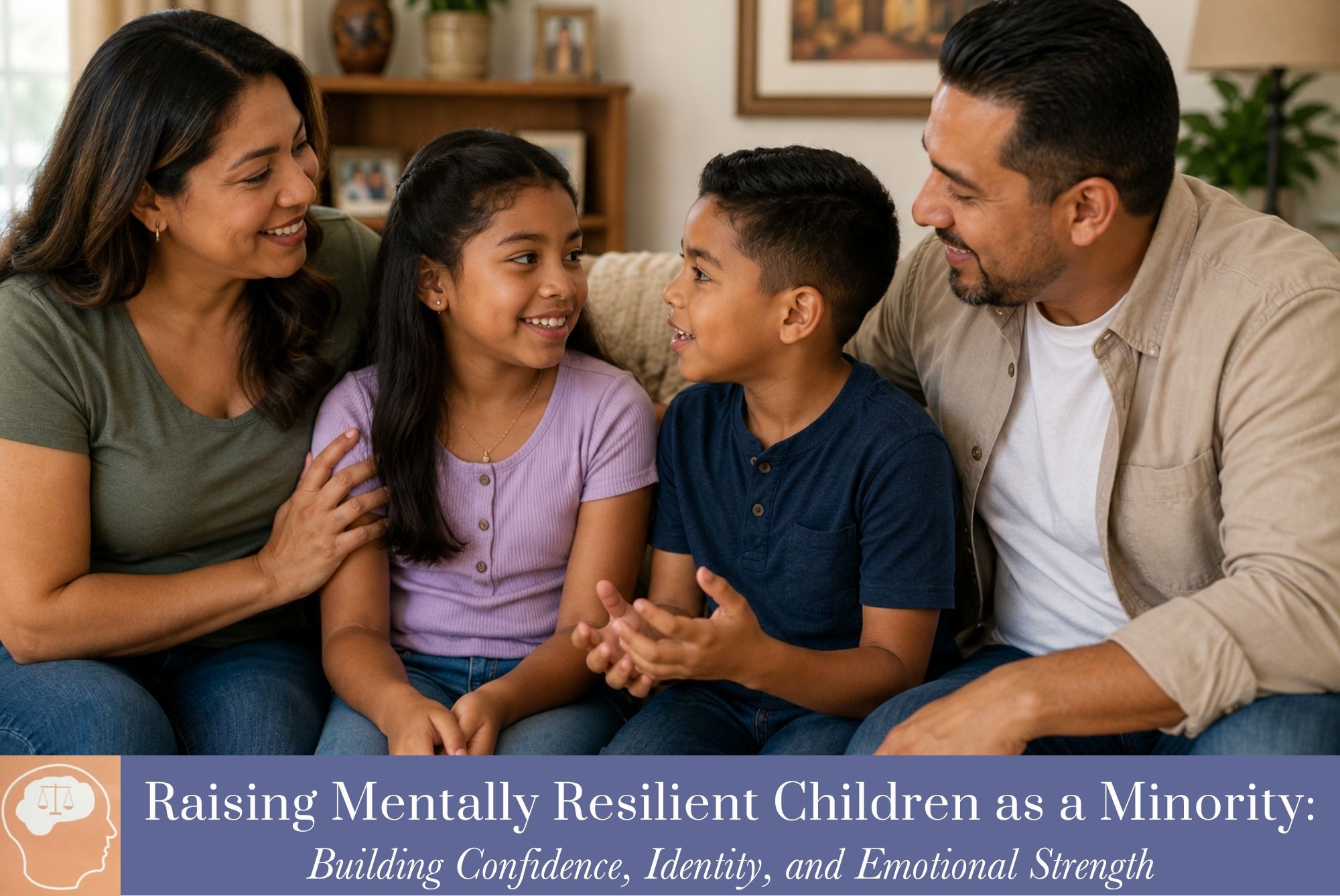
Understanding Mental Resilience in Minority Children
Mental resilience is the ability to adapt to challenges, recover from setbacks, and maintain emotional well-being during difficult situations. For children growing up as part of a racial, ethnic, cultural, or religious minority, resilience is especially important. They may encounter unique experiences, including discrimination, cultural misunderstandings, implicit bias, language barriers, or feelings of being different from their peers.
Raising mentally resilient children does not mean preparing them to endure hardship without support. Instead, it means equipping them with healthy coping strategies, a strong sense of identity, emotional intelligence, and access to trusted adults who help them navigate life’s challenges. Families, schools, healthcare providers, and mental health professionals all play an essential role in fostering resilience.
At The Potter’s Behavioral Medicine Clinic, providers understand that every child’s experiences are unique. Culturally responsive mental health care can help children and families develop lifelong skills that promote confidence, emotional wellness, and healthy development.
Why Mental Resilience Matters for Minority Youth
Children Face More Than Everyday Stress
Every child encounters academic pressures, friendship challenges, and family changes. Minority children may also experience:
- Racism or discrimination
- Cultural stereotyping
- Microaggressions
- Identity conflicts
- Bullying related to race, ethnicity, religion, or language
- Pressure to assimilate while maintaining cultural traditions
- Social isolation or feeling underrepresented
These experiences can increase stress and affect emotional health if children lack appropriate support systems.
Resilience Improves Long-Term Mental Health
Research consistently shows that resilient children are more likely to:
- Develop healthy coping mechanisms
- Build positive self-esteem
- Form strong relationships
- Perform better academically
- Manage anxiety and depression more effectively
- Adapt to change with greater confidence
- Become emotionally healthy adults
Resilience serves as a protective factor that reduces the long-term impact of adversity.
Building a Strong Cultural Identity
Celebrate Heritage and Traditions
Children who understand and appreciate their cultural background often develop stronger self-confidence. Parents can encourage cultural pride by:
- Celebrating cultural holidays
- Teaching family history
- Learning native languages
- Cooking traditional meals together
- Sharing stories from previous generations
- Participating in cultural organizations and community events
A positive cultural identity helps children feel grounded and connected.
Help Children Feel Proud of Who They Are
Rather than avoiding conversations about differences, encourage children to recognize their unique strengths. Reinforce that diversity contributes to stronger communities and that their heritage is something to celebrate rather than hide.
Positive representation in books, movies, television, and educational materials also helps children develop healthy self-images.
Encourage Open Conversations About Race and Identity
Create a Safe Space at Home
Children notice differences at an early age. Avoiding conversations about race or discrimination can leave children feeling confused or unsupported.
Parents should encourage open discussions by:
- Listening without judgment
- Validating emotions
- Asking thoughtful questions
- Explaining difficult topics in age-appropriate ways
- Encouraging children to share school experiences
When children know they can safely discuss difficult situations, they are more likely to seek help before emotional challenges become overwhelming.
Teach Healthy Responses to Bias
Unfortunately, children may eventually experience prejudice or discrimination. Preparing them ahead of time helps reduce fear and confusion.
Parents can teach children to:
- Recognize unfair treatment
- Respond calmly and confidently
- Seek help from trusted adults
- Understand that discrimination reflects others’ biases—not their worth
- Practice assertive communication
These skills strengthen emotional resilience while promoting healthy self-esteem.
Foster Emotional Intelligence
Help Children Identify Their Feelings
Emotionally resilient children understand their emotions and express them in healthy ways.
Teach children to recognize emotions such as:
- Sadness
- Frustration
- Anger
- Anxiety
- Embarrassment
- Fear
- Pride
- Joy
Labeling emotions helps children regulate them more effectively.
Normalize Asking for Help
Many minority communities have historically faced stigma surrounding mental health treatment. Children benefit when parents openly discuss emotional wellness as part of overall health.
Seeking counseling should be viewed as a sign of strength rather than weakness.
Develop Healthy Coping Skills
Teach Stress Management Early
Children need practical strategies they can use when facing stress.
Helpful coping techniques include:
- Deep breathing exercises
- Journaling
- Physical activity
- Creative arts
- Mindfulness
- Prayer or spiritual practices
- Talking with trusted adults
- Spending time outdoors
Developing multiple coping skills gives children healthy alternatives to avoidance or emotional suppression.
Encourage Problem-Solving
Rather than solving every problem for children, guide them through finding solutions.
Ask questions such as:
- What happened?
- How did that make you feel?
- What are your options?
- What would you like to try next?
- What can you learn from this experience?
Problem-solving builds independence and confidence.
Build Strong Support Networks
Positive Adult Relationships Matter
Children thrive when they have supportive adults beyond their parents.
Encourage relationships with:
- Grandparents
- Coaches
- Teachers
- Faith leaders
- Mentors
- Extended family
- Community leaders
Positive adult role models reinforce resilience and provide valuable guidance.
Encourage Healthy Friendships
Strong friendships provide emotional support and increase a child’s sense of belonging.
Help children develop friendships by encouraging participation in:
- Sports
- Clubs
- Volunteer opportunities
- Cultural organizations
- Faith communities
- Community events
Social connectedness protects against loneliness and depression.
Promote Confidence Through Achievement
Focus on Effort Rather Than Perfection
Praise persistence, determination, and growth instead of only praising results.
Children who understand that mistakes are opportunities to learn become more resilient when facing future challenges.
This growth mindset helps children overcome setbacks without believing failure defines them.
Encourage Independence
Allow children to:
- Make age-appropriate decisions
- Solve problems independently
- Complete responsibilities
- Learn from natural consequences
- Build confidence through experience
Confidence develops through practice rather than protection from every obstacle.
Address Mental Health Concerns Early
Recognize Warning Signs
While occasional stress is normal, persistent emotional changes deserve attention.
Parents should seek professional evaluation if children experience:
- Ongoing sadness
- Excessive anxiety
- Social withdrawal
- Changes in sleep
- Declining school performance
- Frequent anger
- Loss of interest in favorite activities
- Self-esteem problems
- Thoughts of self-harm
Early intervention often leads to better long-term outcomes.
Culturally Responsive Mental Health Care Matters
Mental health professionals who recognize cultural experiences can provide more individualized care.
Culturally responsive treatment considers:
- Family values
- Religious beliefs
- Community influences
- Cultural traditions
- Experiences with discrimination
- Language preferences
Children feel more understood when therapy respects their identity and lived experiences.
How Parents Can Model Resilience
Children often learn resilience by observing adults.
Parents can model resilience by:
- Managing stress in healthy ways
- Talking openly about emotions
- Demonstrating healthy conflict resolution
- Asking for help when needed
- Maintaining hope during difficult situations
- Showing self-compassion after setbacks
Children who witness emotionally healthy adults are more likely to develop similar coping skills.
The Role of Professional Mental Health Support
Mental health professionals can help children strengthen resilience before problems become crises.
Behavioral health treatment may include:
- Individual therapy
- Family counseling
- Cognitive behavioral therapy (CBT)
- Emotional regulation strategies
- Anxiety management
- Trauma-informed care
- Psychiatric evaluation when appropriate
- Parent education and support
Early support helps children build emotional tools that benefit them throughout adulthood.
Frequently Asked Questions
Why is resilience especially important for minority children?
Minority children may face unique social and cultural challenges, including discrimination, identity conflicts, or feelings of exclusion. Resilience helps them navigate these experiences while maintaining emotional well-being and healthy self-esteem.
Can resilience be taught?
Yes. Resilience develops through supportive relationships, positive experiences, healthy coping skills, emotional education, and consistent encouragement from caregivers and trusted adults.
How can parents talk about discrimination without creating fear?
Use age-appropriate conversations that acknowledge unfair experiences while emphasizing the child’s value, strengths, and available support systems. Honest discussions paired with reassurance help children feel prepared rather than frightened.
Does therapy help children become more resilient?
Yes. Therapy teaches emotional regulation, problem-solving, healthy coping strategies, communication skills, and confidence that improve resilience across many areas of life.
When should parents seek mental health support?
Parents should consider professional evaluation if emotional or behavioral changes persist for several weeks, interfere with school or relationships, or significantly affect daily functioning.
How can schools support minority children’s mental health?
Schools can promote inclusion through diverse representation, anti-bullying policies, culturally responsive education, access to counseling services, and strong partnerships with families.
What role does cultural identity play in resilience?
A strong cultural identity promotes self-confidence, belonging, and pride. Children who appreciate their heritage often have greater emotional strength when facing challenges.
Can resilience reduce the risk of anxiety and depression?
While resilience cannot eliminate mental health conditions, it serves as an important protective factor that improves coping abilities and supports better emotional outcomes during stressful situations.
Contact Information
The Potter’s Behavioral Medicine Clinic
Website: https://thepottersclinic.com
Villa Rica
Phone: (770) 459-8799
Address: 307 Old Stone Road, Villa Rica, GA 30180
Hiram
Phone: (770) 439-3070
Address: 5604 Wendy Bagwell Pkwy, Hiram, GA 30141
Stockbridge – Virtual Visits
Phone: (770) 459-8799
Address: 255 Corporate Centre Drive, Stockbridge, GA 30281
Decatur – Virtual Visits
Phone: (770) 459-8799
Address: 5322 Snapfinger Park Drive, Decatur, GA 30035