
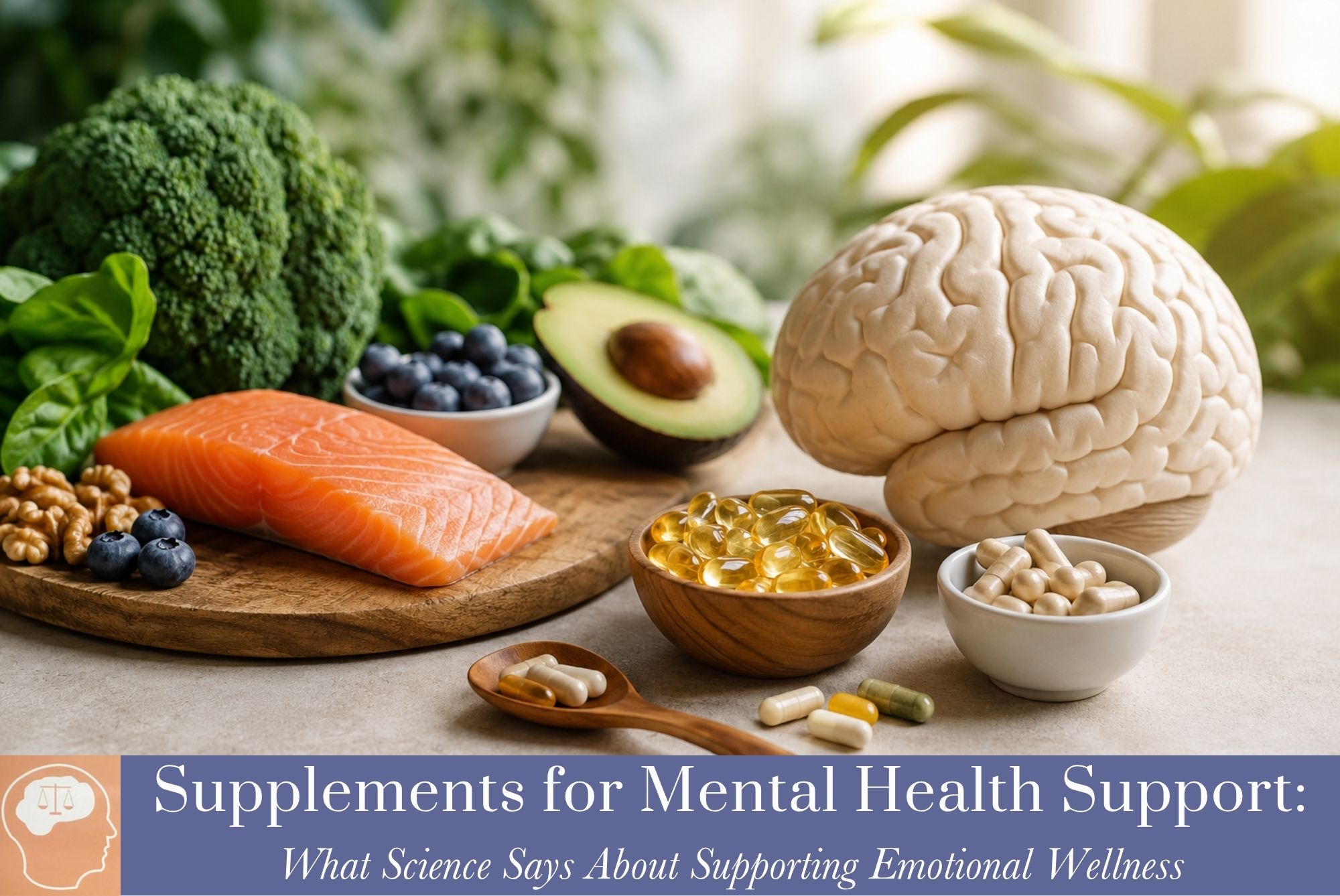
Mental health is influenced by a complex combination of genetics, brain chemistry, lifestyle, physical health, stress, sleep, and environmental factors. While therapy, medication when appropriate, healthy habits, and strong support systems remain the foundation of mental health treatment, many people wonder whether nutritional supplements can also play a role in supporting emotional well-being.
Research continues to explore how certain vitamins, minerals, fatty acids, and other nutrients affect brain function. Some supplements have shown promise for supporting overall mental wellness in specific individuals, particularly those with documented nutritional deficiencies. However, supplements are not a replacement for professional psychiatric care or counseling, and they should always be discussed with a qualified healthcare provider before starting them.
At The Potter’s Behavioral Medicine Clinic, our providers take a comprehensive, evidence-based approach to mental health care. We help patients understand all aspects of their treatment plan, including nutrition, lifestyle habits, therapy, medications, and when appropriate, supplementation as part of an individualized care strategy.
Understanding the Connection Between Nutrition and Mental Health
The Brain Requires Proper Nutrition
The human brain consumes approximately 20% of the body’s energy despite representing only a small percentage of total body weight. Maintaining healthy brain function requires a continuous supply of vitamins, minerals, amino acids, healthy fats, and antioxidants.
When nutritional needs are not met, brain function may be affected in ways that influence:
- Mood regulation
- Concentration
- Memory
- Energy levels
- Stress response
- Sleep quality
- Cognitive performance
While improving nutrition alone does not treat most mental health disorders, ensuring adequate nutrient intake can support overall brain health and complement comprehensive treatment plans.
Supplements Are Not One-Size-Fits-All
Not every person benefits from the same supplements. Individual needs depend on factors such as:
- Age
- Diet
- Existing medical conditions
- Medications
- Laboratory findings
- Mental health diagnosis
- Pregnancy status
- Lifestyle habits
This is why personalized medical guidance is so important before beginning supplementation.
Omega-3 Fatty Acids
One of the Most Studied Mental Health Supplements
Omega-3 fatty acids, particularly EPA and DHA found in fish oil, are among the most researched supplements for mental health support.
These healthy fats contribute to:
- Brain cell membrane integrity
- Communication between neurons
- Regulation of inflammation
- Healthy neurotransmitter function
Some clinical studies suggest omega-3 supplementation may provide supportive benefits for certain individuals experiencing depression, particularly formulations higher in EPA. Research is ongoing regarding anxiety, bipolar disorder, and other psychiatric conditions.
Omega-3 supplements should be discussed with a healthcare provider, especially for individuals taking blood-thinning medications.
Vitamin D
The Sunshine Vitamin and Emotional Wellness
Vitamin D plays an important role in many body systems, including brain health.
Low vitamin D levels have been associated with:
- Low mood
- Fatigue
- Reduced energy
- Seasonal mood changes
Individuals who receive limited sun exposure or have documented vitamin D deficiency may benefit from supplementation under medical supervision.
Routine blood testing can help determine whether supplementation is appropriate.
B Vitamins
Supporting Healthy Brain Function
Several B vitamins contribute to healthy nervous system function, including:
- Vitamin B6
- Vitamin B12
- Folate (Vitamin B9)
These vitamins help produce neurotransmitters involved in mood regulation, including serotonin, dopamine, and norepinephrine.
Deficiencies in B vitamins can contribute to:
- Fatigue
- Cognitive difficulties
- Irritability
- Mood changes
For some patients, correcting deficiencies may improve overall well-being as part of a comprehensive treatment plan.
Magnesium
Supporting Stress Response and Relaxation
Magnesium participates in hundreds of biochemical reactions throughout the body.
It contributes to:
- Muscle relaxation
- Sleep quality
- Nervous system regulation
- Stress response
Some individuals with inadequate magnesium intake report improvements in relaxation and sleep after correcting deficiency, although research regarding anxiety and depression remains ongoing.
Excessive magnesium supplementation can cause side effects, making professional guidance important.
Zinc
A Mineral Important for Brain Health
Zinc supports numerous neurological functions and immune system processes.
Researchers continue to investigate zinc’s role in:
- Mood regulation
- Cognitive performance
- Depression treatment support
- Neuroplasticity
Low zinc levels have been identified in some individuals with depression, although supplementation is generally recommended only when clinically appropriate.
Iron
An Often Overlooked Nutrient
Iron deficiency can contribute to symptoms that resemble or worsen mental health concerns, including:
- Fatigue
- Poor concentration
- Low energy
- Difficulty thinking clearly
Iron supplementation should never be started without proper testing, as excess iron can be harmful.
Probiotics and Gut Health
The Gut-Brain Connection
Scientists continue to explore the relationship between the digestive system and brain function.
The gut microbiome communicates with the brain through multiple pathways involving:
- The vagus nerve
- Immune signaling
- Hormones
- Neurotransmitters
While research remains relatively new, maintaining a healthy gut through balanced nutrition and, in some cases, probiotics may support overall wellness.
More evidence is needed before probiotics become a standard mental health treatment.
Melatonin
Supporting Healthy Sleep
Sleep disturbances commonly accompany many mental health conditions.
Melatonin supplements may help regulate sleep-wake cycles for some individuals experiencing:
- Jet lag
- Shift work sleep issues
- Delayed sleep phase
- Certain insomnia patterns
Because sleep significantly influences emotional health, improving sleep quality can often support overall mental wellness.
Melatonin should be used under healthcare guidance, particularly for children and individuals taking psychiatric medications.
Herbal Supplements
Natural Does Not Always Mean Safe
Many herbal products are marketed for anxiety, stress, and depression, including:
- St. John’s Wort
- Ashwagandha
- Valerian root
- Lavender
- Rhodiola
- Passionflower
Although some herbs have shown promising results in research, they also carry important risks.
For example, St. John’s Wort can interact with:
- Antidepressants
- Birth control pills
- Blood thinners
- Heart medications
- Numerous prescription drugs
Always discuss herbal supplements with your healthcare provider before using them.
When Supplements May Be Appropriate
Supplements Are Most Helpful When They Address a Specific Need
Healthcare providers may recommend supplements when patients have:
- Documented nutritional deficiencies
- Limited dietary intake
- Medical conditions affecting nutrient absorption
- Pregnancy-related nutritional needs
- Increased nutritional demands
- Certain medication-related deficiencies
Supplements work best as one component of a comprehensive treatment plan rather than a standalone solution.
Building a Complete Mental Health Treatment Plan
Effective Care Goes Beyond Supplements
The strongest evidence for improving mental health continues to support comprehensive care that may include:
- Psychiatric evaluation
- Individual therapy
- Medication management when appropriate
- Regular physical activity
- Healthy sleep habits
- Balanced nutrition
- Stress management techniques
- Social support
- Routine medical care
Every person’s journey is unique, and treatment should be individualized based on their symptoms, health history, and goals.
How The Potter’s Behavioral Medicine Clinic Can Help
Personalized Mental Health Care
At The Potter’s Behavioral Medicine Clinic, we recognize that mental health involves the whole person—not simply isolated symptoms.
Our providers work closely with patients to develop individualized treatment plans that may include psychiatric evaluation, medication management, psychotherapy referrals when appropriate, lifestyle counseling, and discussions about evidence-based nutritional support.
Rather than recommending supplements based on trends or marketing claims, we focus on scientifically supported care tailored to each patient’s unique needs and medical history.
If you’re experiencing anxiety, depression, ADHD, mood disorders, or other behavioral health concerns, our compassionate team is here to help you find the treatment approach that is right for you.
Frequently Asked Questions
Can supplements replace antidepressants or anxiety medications?
No. Supplements should not replace prescribed medications unless specifically directed by your healthcare provider. Many mental health conditions require comprehensive medical treatment.
Should everyone take supplements for mental health?
Not necessarily. Supplement needs vary greatly from person to person. Some individuals may benefit from supplementation, while others receive sufficient nutrients through their diet.
Can supplements interact with psychiatric medications?
Yes. Many supplements and herbal products can interact with antidepressants, mood stabilizers, anxiety medications, stimulants, and other prescriptions. Always discuss supplements with your provider.
How do I know if I have a vitamin deficiency?
Your healthcare provider may recommend blood testing based on your symptoms, medical history, and nutritional risk factors.
Which supplement has the strongest evidence for mental health support?
Omega-3 fatty acids, vitamin D (for deficiency), and certain B vitamins have some of the strongest scientific evidence, though benefits depend on the individual and should be evaluated by a healthcare professional.
Are herbal supplements safer because they are natural?
No. Natural products can still cause side effects, interact with medications, and affect medical conditions. Natural does not automatically mean safe.
Can improving nutrition help my mental health?
Yes. A balanced diet supports overall brain health and complements professional mental health treatment, though nutrition alone is not a treatment for most psychiatric disorders.
When should I seek professional help instead of trying supplements?
If you experience persistent anxiety, depression, mood changes, panic attacks, difficulty functioning, or thoughts of self-harm, seek professional behavioral health care promptly rather than relying solely on supplements.
Contact Information
The Potter’s Behavioral Medicine Clinic
Website
https://thepottersclinic.com
Villa Rica
Phone: (770) 459-8799
Address:
307 Old Stone Road
Villa Rica, GA 30180
Hiram
Phone: (770) 439-3070
Address:
5604 Wendy Bagwell Pkwy
Hiram, GA 30141
Stockbridge – Virtual Visits
Phone: (770) 459-8799
Address:
255 Corporate Centre Drive
Stockbridge, GA 30281
Decatur – Virtual Visits
Phone: (770) 459-8799
Address:
5322 Snapfinger Park Drive
Decatur, GA 30035