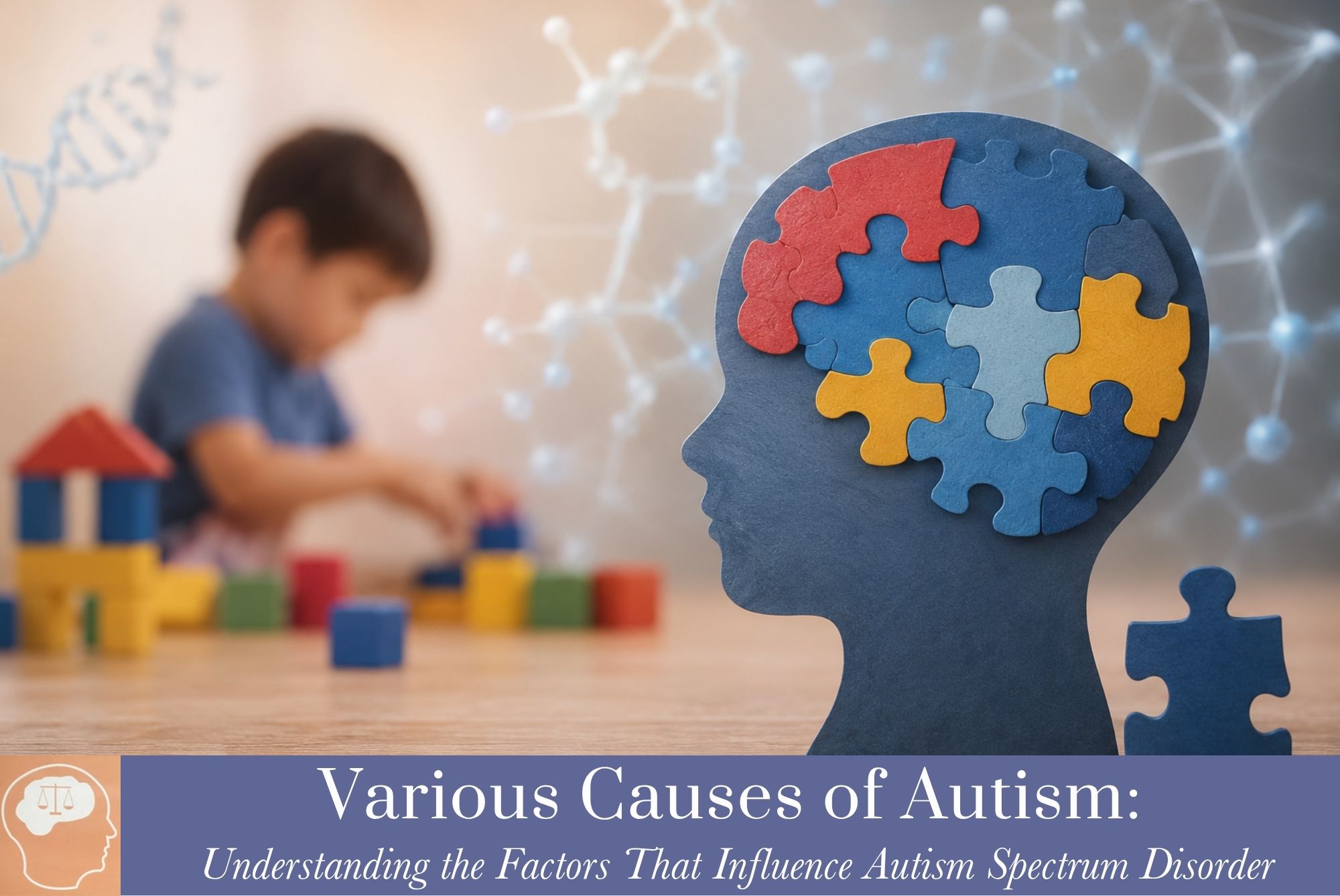
Autism Spectrum Disorder (ASD) is a complex neurodevelopmental condition that affects how individuals communicate, interact socially, process information, and respond to the world around them. While autism has become more widely recognized in recent years, many misconceptions still exist about what causes it. One of the most common misunderstandings is the belief that autism has a single cause. In reality, decades of scientific research demonstrate that autism develops from a combination of genetic, biological, and environmental influences that affect early brain development.
At The Potter’s Behavioral Medicine Clinic, we believe that education is an important part of supporting individuals and families affected by autism. Understanding what researchers know—and what they do not know—can help reduce stigma, encourage early evaluation, and connect children and adults with appropriate care and resources.
What Is Autism Spectrum Disorder?
Autism Is a Neurodevelopmental Condition
Autism Spectrum Disorder is a lifelong developmental condition that begins during early brain development. It influences how a person communicates, forms relationships, learns, and experiences sensory information. Because autism exists on a spectrum, every individual has unique strengths, challenges, interests, and support needs.
Some individuals require significant daily support, while others live independently, attend college, maintain careers, and have families. Autism is not an illness that develops later in life, nor is it caused by parenting style or personal choices.
There Is No Single Cause of Autism
Research Points to Multiple Contributing Factors
Scientists have spent decades studying autism, and the current medical consensus is that ASD develops through a combination of factors rather than one specific event or exposure.
These factors include:
- Genetics
- Brain development before birth
- Certain prenatal influences
- Advanced parental age
- Rare genetic syndromes
- Environmental factors that affect fetal development
The interaction between these factors varies from one individual to another, making autism highly individualized.
Genetics Play the Largest Role
Family History Increases Risk
The strongest scientific evidence points to genetics as the primary contributor to autism. Researchers have identified hundreds of genes associated with brain development and communication between nerve cells that may increase the likelihood of ASD.
Children are more likely to be diagnosed with autism if they have:
- A sibling with autism
- A parent with autistic traits
- Certain inherited genetic variations
- Rare spontaneous genetic mutations
Genetics do not guarantee that someone will develop autism. Instead, they create a greater susceptibility when combined with other developmental influences.
Brain Development Before Birth
Early Neurological Differences
Brain development begins very early during pregnancy. Research using advanced imaging techniques has found that some differences in brain growth and neural connectivity associated with autism develop before birth.
These neurological differences may affect:
- Language development
- Social communication
- Emotional regulation
- Sensory processing
- Executive functioning
- Learning patterns
These developmental differences occur long before autism symptoms become noticeable.
Prenatal Factors That May Influence Risk
Healthy Pregnancy Supports Brain Development
Most pregnancies result in healthy children, and having one or more risk factors does not mean a child will develop autism. However, researchers have identified several prenatal influences that may slightly increase the likelihood of ASD.
These include:
- Maternal diabetes
- Significant maternal obesity
- Certain infections during pregnancy
- Exposure to high levels of air pollution
- Severe nutritional deficiencies
- Some pregnancy complications affecting fetal oxygen supply
Healthcare providers emphasize prenatal care because healthy pregnancies support optimal brain development for every child.
Advanced Parental Age
A Small Increase in Risk
Studies have found that children born to older parents have a slightly increased likelihood of autism. Researchers believe this relationship may involve naturally occurring genetic changes that become more common with age.
It is important to remember that the overall risk remains relatively low, and the vast majority of children born to older parents do not develop autism.
Rare Genetic Conditions Associated With Autism
Some Medical Syndromes Include Autism
Certain rare genetic disorders have a higher incidence of autism than the general population.
Examples include:
- Fragile X syndrome
- Rett syndrome
- Tuberous sclerosis complex
- PTEN mutations
- Angelman syndrome
- Phelan-McDermid syndrome
Not every person with these conditions has autism, but these syndromes help researchers better understand how genetics influence brain development.
Environmental Factors Are Still Being Studied
Environment Alone Does Not Cause Autism
Researchers continue studying environmental influences that may interact with genetic susceptibility during pregnancy.
Current research is examining factors such as:
- Air pollution
- Heavy metal exposure
- Certain medications taken during pregnancy
- Maternal immune system activation
- Premature birth
- Very low birth weight
These factors are considered possible contributors in specific situations rather than direct causes of autism.
What Does Not Cause Autism?
Dispelling Common Myths
Despite years of misinformation circulating online, extensive scientific research has disproven several myths.
Autism is not caused by:
- Childhood vaccinations
- Poor parenting
- Lack of affection
- Television
- Video games
- Sugar consumption
- Food allergies
- Household discipline
Large studies involving millions of children have consistently shown no link between vaccines and autism.
Early Signs of Autism
Recognizing Developmental Differences
Children develop at different rates, but some early signs may indicate the need for a developmental evaluation.
Possible signs include:
- Limited eye contact
- Delayed speech or language
- Difficulty responding to their name
- Repetitive movements such as hand flapping or rocking
- Strong preference for routines
- Highly focused interests
- Sensitivity to sounds, lights, or textures
- Difficulty engaging in pretend play
- Challenges with social interaction
Having one or two of these behaviors does not necessarily indicate autism, but persistent concerns should be discussed with a healthcare provider.
Autism Can Be Diagnosed at Different Ages
Early Identification Improves Outcomes
Although autism begins during early childhood, some individuals are not diagnosed until adolescence or adulthood.
Adults may seek evaluation after recognizing lifelong challenges involving:
- Social communication
- Workplace interactions
- Sensory sensitivities
- Organization
- Emotional regulation
Receiving a diagnosis later in life can provide valuable insight and access to supportive resources.
Why Early Evaluation Matters
Earlier Support Leads to Better Opportunities
Research consistently demonstrates that early identification allows children to receive therapies during critical stages of brain development.
Early intervention may help improve:
- Communication skills
- Language development
- Social interaction
- Emotional regulation
- Adaptive functioning
- Academic readiness
Every child develops differently, and personalized treatment plans provide the greatest benefit.
How Mental Health Professionals Support Individuals With Autism
Comprehensive Care Across the Lifespan
Behavioral medicine providers play an important role in supporting individuals with autism and their families. Treatment focuses on improving quality of life while recognizing each person’s strengths and unique abilities.
Care may include:
- Diagnostic evaluations
- Behavioral therapy recommendations
- Medication management when appropriate
- Anxiety treatment
- ADHD management
- Depression treatment
- Parent education
- Coordination with schools and specialists
The goal is not to change who someone is but to provide tools that support independence, emotional well-being, and daily functioning.
Supporting Families After an Autism Diagnosis
Education Creates Confidence
Receiving an autism diagnosis can bring many emotions, including relief, uncertainty, hope, and concern. Families often benefit from learning about autism, connecting with support services, and understanding available treatment options.
Building a supportive care team allows parents and caregivers to advocate confidently for their child’s educational, medical, and emotional needs.
The Future of Autism Research
Advancing Understanding and Treatment
Autism research continues to expand rapidly. Scientists are learning more about genetics, early brain development, personalized interventions, and the biological mechanisms involved in ASD.
These discoveries are helping healthcare providers identify autism earlier, develop more individualized treatment approaches, and improve long-term outcomes for individuals across the spectrum.
Frequently Asked Questions
What is the main cause of autism?
There is no single cause. Research shows that autism results from a combination of genetic, biological, and environmental factors that influence early brain development.
Is autism inherited?
Genetics play a significant role. Having a family member with autism can increase the likelihood, although many individuals with autism have no known family history.
Do vaccines cause autism?
No. Extensive scientific research involving millions of children has found no evidence that vaccines cause Autism Spectrum Disorder.
Can autism be prevented?
Currently, there is no known way to prevent autism because it develops through complex biological and genetic processes.
Is autism diagnosed through a blood test?
No. Autism is diagnosed through comprehensive developmental, behavioral, and psychological evaluations rather than laboratory testing.
Can adults be diagnosed with autism?
Yes. Many adults receive an autism diagnosis after recognizing lifelong social, communication, or sensory differences.
Does every child with delayed speech have autism?
No. Speech delays can occur for many reasons. A comprehensive developmental evaluation helps determine the underlying cause.
Is autism a mental illness?
No. Autism is a neurodevelopmental condition, not a mental illness. However, individuals with autism may also experience mental health conditions such as anxiety, depression, or ADHD.
Why is autism called a spectrum?
The term “spectrum” reflects the wide range of abilities, strengths, symptoms, and support needs among individuals with autism.
When should parents seek an evaluation?
Parents should speak with a healthcare provider whenever they notice developmental delays, communication concerns, social challenges, or repetitive behaviors that persist over time.
Contact Information
The Potter’s Behavioral Medicine Clinic
Website
https://thepottersclinic.com
Villa Rica
307 Old Stone Road
Villa Rica, GA 30180
Phone: (770) 459-8799
Hiram
5604 Wendy Bagwell Pkwy
Hiram, GA 30141
Phone: (770) 439-3070
Stockbridge – Virtual Visits
255 Corporate Centre Drive
Stockbridge, GA 30281
Phone: (770) 459-8799
Decatur – Virtual Visits
5322 Snapfinger Park Drive
Decatur, GA 30035
Phone: (770) 459-8799