
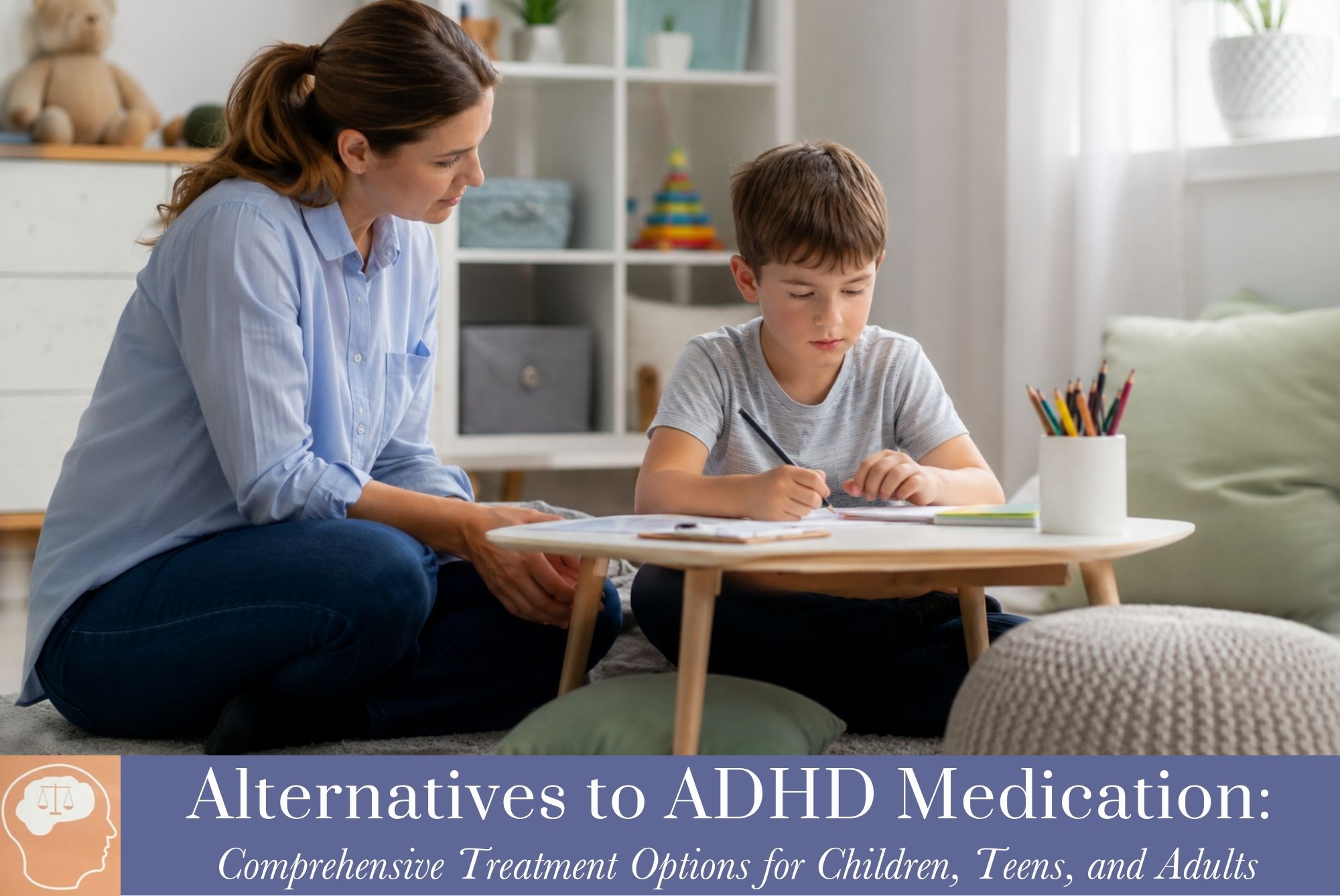
Attention-Deficit/Hyperactivity Disorder (ADHD) is one of the most common neurodevelopmental conditions affecting children, adolescents, and adults. While stimulant and non-stimulant medications remain an effective treatment option for many individuals, medication is not the only path to symptom management. Some patients cannot tolerate medication due to side effects, others have medical conditions that limit their use, and many families simply want to explore additional evidence-based approaches before making treatment decisions.
At The Potter’s Behavioral Medicine Clinic, treatment plans are personalized to each individual’s symptoms, age, lifestyle, and overall health. A comprehensive ADHD management plan often combines behavioral strategies, therapy, lifestyle modifications, educational support, and medication when appropriate. Understanding the available alternatives empowers patients and families to make informed decisions about long-term care.
Understanding ADHD Beyond Medication
ADHD affects the brain’s executive functioning skills, including attention, organization, impulse control, working memory, and emotional regulation. Symptoms vary widely from person to person and may include:
- Difficulty maintaining attention
- Easily becoming distracted
- Hyperactivity or excessive movement
- Impulsive decision-making
- Poor organization
- Trouble completing tasks
- Forgetfulness
- Emotional dysregulation
- Difficulty managing time
Although medication can improve neurotransmitter activity that influences focus and attention, many non-medication interventions help patients develop lasting coping skills and improve daily functioning.
Why Some Patients Seek Alternatives to ADHD Medication
Medication Side Effects
Some individuals experience side effects that interfere with daily life, including:
- Appetite suppression
- Sleep disturbances
- Headaches
- Increased anxiety
- Irritability
- Elevated heart rate
- Mood changes
Alternative therapies may reduce symptom severity while minimizing unwanted side effects.
Personal or Family Preference
Some parents prefer to begin with behavioral interventions before considering medication. Adults may also wish to improve symptoms naturally while developing sustainable organizational skills.
Medical Considerations
Certain medical conditions, psychiatric disorders, or medication interactions may make ADHD medications less appropriate for some individuals.
Behavioral Therapy: One of the Most Effective Alternatives
Behavioral therapy remains one of the most researched and evidence-supported non-medication treatments for ADHD.
Cognitive Behavioral Therapy (CBT)
CBT helps patients recognize negative thinking patterns while developing practical strategies for managing ADHD symptoms.
Treatment often focuses on:
- Time management
- Prioritization
- Reducing procrastination
- Emotional regulation
- Problem-solving
- Improving self-esteem
- Stress management
Adults with ADHD often benefit significantly from CBT because it targets executive functioning challenges encountered in work and personal relationships.
Parent Training Programs
For younger children, behavioral parent training teaches caregivers how to reinforce positive behaviors while reducing disruptive behaviors through consistent routines and effective communication.
Parents learn techniques such as:
- Positive reinforcement
- Structured consequences
- Reward systems
- Routine development
- Effective instructions
- Managing challenging behaviors
Executive Function Coaching
Executive functioning coaches work directly with patients to improve practical daily skills.
Areas commonly addressed include:
- Organization
- Planning
- Scheduling
- Homework management
- Goal setting
- Task initiation
- Project completion
- Accountability
Unlike therapy, executive function coaching emphasizes practical implementation of skills in real-world situations.
Educational Accommodations for Students
Children and adolescents with ADHD often perform significantly better when schools provide appropriate accommodations.
Possible supports include:
- Extended testing time
- Quiet testing environments
- Frequent breaks
- Preferential classroom seating
- Assignment modifications
- Organizational assistance
- Written instructions
- Individualized Education Programs (IEPs)
- Section 504 Plans
Collaborative communication between families, educators, and behavioral health providers improves educational outcomes.
Lifestyle Changes That Support ADHD Management
Healthy daily habits significantly influence brain function and attention.
Regular Physical Activity
Exercise increases dopamine and norepinephrine activity—two neurotransmitters closely associated with ADHD.
Benefits include:
- Improved concentration
- Better mood
- Reduced hyperactivity
- Lower stress
- Better sleep
- Enhanced executive functioning
Children often benefit from structured physical activity before school or homework.
Consistent Sleep Habits
Sleep problems frequently accompany ADHD.
Improving sleep hygiene may involve:
- Consistent bedtime routines
- Limiting evening screen exposure
- Reducing caffeine
- Maintaining regular sleep schedules
- Creating calming bedtime environments
Quality sleep improves attention, memory, emotional regulation, and learning.
Nutrition and Healthy Eating
Although no specific diet cures ADHD, balanced nutrition supports healthy brain function.
Recommendations often include:
- Regular meal schedules
- Lean proteins
- Fruits and vegetables
- Whole grains
- Healthy fats
- Limiting excessive processed sugars
- Staying hydrated
Patients considering elimination diets or nutritional supplements should discuss these options with qualified healthcare providers.
Mindfulness and Stress Reduction
Mindfulness-based interventions continue gaining research support as complementary ADHD treatments.
Practices include:
- Deep breathing
- Guided meditation
- Progressive muscle relaxation
- Yoga
- Mindful movement
- Focused attention exercises
These techniques improve emotional regulation, reduce impulsivity, and enhance sustained attention over time.
Organizational Strategies That Improve Daily Function
Simple environmental modifications often reduce ADHD-related challenges.
Helpful tools include:
- Digital calendars
- Reminder apps
- Visual schedules
- Color-coded planners
- Task lists
- Timers
- Breaking projects into smaller steps
- Decluttering workspaces
- Daily routines
These strategies become increasingly effective when consistently practiced.
Social Skills Training
Some individuals with ADHD experience difficulty maintaining friendships or navigating workplace relationships.
Social skills training can improve:
- Active listening
- Conversation skills
- Emotional awareness
- Conflict resolution
- Reading social cues
- Impulse control
- Communication confidence
Improved social functioning often enhances overall quality of life.
Family Therapy and Support
ADHD affects the entire family system.
Family therapy helps:
- Improve communication
- Reduce conflict
- Strengthen routines
- Build healthy expectations
- Address caregiver stress
- Encourage collaborative problem-solving
Supportive family environments contribute significantly to long-term treatment success.
When Medication May Still Be Appropriate
Alternative treatments are valuable, but they are not always sufficient by themselves.
Some patients experience severe ADHD symptoms that substantially interfere with:
- Academic performance
- Employment
- Safety
- Driving
- Relationships
- Daily functioning
For these individuals, combining medication with behavioral therapy often produces the greatest improvement. Treatment decisions should always be individualized following a comprehensive psychiatric evaluation.
Creating a Personalized ADHD Treatment Plan
No two patients experience ADHD in exactly the same way. The most successful treatment plans evaluate the whole person rather than focusing solely on symptoms.
Comprehensive care may include:
- Diagnostic evaluation
- Behavioral therapy
- Cognitive behavioral therapy
- Parent education
- Lifestyle counseling
- School collaboration
- Executive function coaching
- Medication management when appropriate
- Ongoing monitoring and adjustments
The goal is not simply reducing symptoms but helping patients thrive academically, professionally, socially, and emotionally.
Why Professional Evaluation Matters
Many conditions can resemble ADHD, including anxiety disorders, depression, learning disabilities, trauma-related disorders, sleep disorders, and certain medical conditions.
A thorough psychiatric evaluation helps ensure an accurate diagnosis and allows clinicians to recommend the most effective treatment plan based on each individual’s unique needs.
At The Potter’s Behavioral Medicine Clinic, compassionate providers work closely with patients and families to identify evidence-based treatment options that align with their goals and preferences.
Frequently Asked Questions
Can ADHD be treated without medication?
Yes. Many individuals benefit from behavioral therapy, cognitive behavioral therapy, executive function coaching, lifestyle modifications, educational accommodations, and organizational strategies. Some patients successfully manage symptoms without medication, while others benefit from combining therapies.
Is behavioral therapy effective for ADHD?
Behavioral therapy is one of the most evidence-supported treatments for ADHD, particularly in children. It teaches practical skills for improving behavior, organization, emotional regulation, and daily functioning.
What is the best natural treatment for ADHD?
There is no single natural treatment that works for everyone. Regular exercise, adequate sleep, healthy nutrition, mindfulness, structured routines, and behavioral therapy are among the most effective non-medication approaches supported by research.
Can adults with ADHD avoid medication?
Some adults successfully manage ADHD through therapy, coaching, organizational systems, and lifestyle changes. Others require medication to achieve optimal symptom control. Treatment should always be individualized.
Does exercise really help ADHD?
Yes. Research shows that regular physical activity improves attention, executive functioning, mood, and impulse control by increasing important neurotransmitters involved in focus and concentration.
Can diet cure ADHD?
No. Diet alone does not cure ADHD. However, balanced nutrition supports overall brain health and may help optimize symptom management as part of a comprehensive treatment plan.
Should parents try therapy before medication?
Every child is unique. Behavioral therapy is often recommended as part of first-line treatment, particularly for younger children. A psychiatric evaluation can help determine whether therapy alone or combined treatment is most appropriate.
How do I know if ADHD medication is necessary?
A qualified behavioral health provider can assess symptom severity, functional impairment, medical history, and treatment goals to determine whether medication should be included in an individualized care plan.
Contact Information
The Potter’s Behavioral Medicine Clinic
Website: https://thepottersclinic.com
Villa Rica
307 Old Stone Road
Villa Rica, GA 30180
Phone: (770) 459-8799
Hiram
5604 Wendy Bagwell Pkwy
Hiram, GA 30141
Phone: (770) 439-3070
Stockbridge – Virtual Visits
255 Corporate Centre Drive
Stockbridge, GA 30281
Phone: (770) 459-8799
Decatur – Virtual Visits
5322 Snapfinger Park Drive
Decatur, GA 30035
Phone: (770) 459-8799